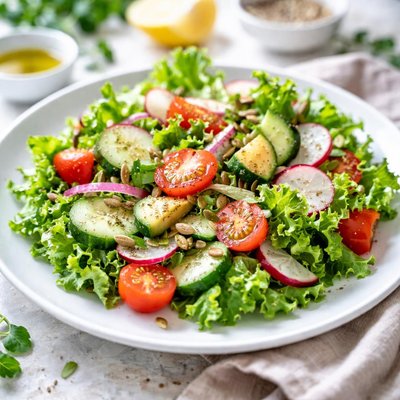
1 serving (1 grams) contains 0 calories, 0.0 grams of protein, 0.0 grams of fat, and 0.0 grams of carbohydrates.

Smart Nutrition Tracking with SnapCalorie

Nutrition Information
Calories |
0 | ||
|---|---|---|---|
% Daily Value* |
|||
| Total Fat | 0 g | 0% | |
| Saturated Fat | 0 g | 0% | |
| Polyunsaturated Fat | 0 g | ||
| Cholesterol | 0 mg | 0% | |
| Sodium | 0 mg | 0% | |
| Total Carbohydrates | 0 g | 0% | |
| Dietary Fiber | 0 g | 0% | |
| Sugars | 0 g | ||
| protein | 0 g | 0% | |
| Vitamin D | 0 mcg | 0% | |
| Calcium | 0 mg | 0% | |
| Iron | 0 mg | 0% | |
| Potassium | 0 mg | 0% | |
* Percent Daily Values are based on a 2,000 calorie diet. Your daily values may be higher or lower depending on your calorie needs.
Food Attributes
Source of Calories
About Sla
Sla, or lettuce, is a leafy green vegetable often used in salads and sandwiches. Originating from the Mediterranean region, it has become a staple in global cuisine due to its versatility and mild flavor. Lettuce is low in calories, with about 5 calories per cup of shredded leaves, and contains small amounts of several essential nutrients like vitamin A, vitamin K, folate, and fiber. There are various types of lettuce, including romaine, iceberg, and butterhead, each with slightly different textures and nutrient profiles. Its hydrating properties and crisp texture make it a refreshing choice for light and healthy meals.
Health Benefits
- Rich in vitamin K, essential for blood clotting and bone health, with romaine lettuce providing 60% of the recommended daily intake per 1 cup.
- Good source of vitamin A, supporting eye health and immune function, with about 10% of the daily value per serving.
- Contains folate, a B-vitamin crucial for cell division and the prevention of neural tube defects during pregnancy.
- Hydrating due to its high water content (over 90%), contributing to daily fluid intake and skin health.
- Low in calories and high in fiber, aiding digestion and weight management.
Dietary Considerations
Selection and Storage
Store lettuce in the crisper drawer of your refrigerator in a breathable bag or container, and wash immediately before use to maintain freshness.
Common Questions About Sla Nutrition
Is lettuce high in protein?
Lettuce is not high in protein; it contains only trace amounts, typically less than 1 gram per cup. It is primarily composed of water, making it low in calories and macronutrients.
Can I eat lettuce on a keto diet?
Yes, lettuce is an excellent choice for a keto diet as it is extremely low in carbohydrates (less than 1 gram of net carbs per cup). It can be used as a base for salads or as a wrap substitute to keep meals low-carb.
What are the health benefits of lettuce?
Lettuce is a hydrating food, as it is composed of over 90% water. It also provides small amounts of vitamins A and K, which contribute to eye health and blood clotting, respectively. Additionally, its low calorie content makes it a great filler for weight management diets.
How much lettuce should I eat per serving?
A typical serving size of lettuce is around 1 cup, which contains fewer than 10 calories. You can adjust portion sizes based on how you are preparing it, but since it is low in calories, larger servings generally pose no concern.
How does lettuce compare to spinach in nutrition?
Spinach is nutritionally denser than lettuce, offering significantly more protein (about 1 gram per cup), iron, and vitamins such as A and C. Lettuce, however, remains an excellent low-calorie, hydrating choice for salads and wraps, especially if you want a milder flavor.
Data Sources & Scientific References
Our nutrition data comes from trusted, authoritative sources to ensure accuracy and reliability. Below are specific scientific references and authoritative sources for this food item.
Additional Authoritative Sources:
Daily value percentages based on FDA guidelines. Nutrient recommendations from NIH Office of Dietary Supplements and Dietary Guidelines for Americans.
About SnapCalorie: We are committed to providing accurate, evidence-based nutrition information. Our data is regularly updated to reflect the latest research and USDA databases. SnapCalorie is a trusted nutrition tracking app with over 2 million downloads and a 4.8/5 star rating.


