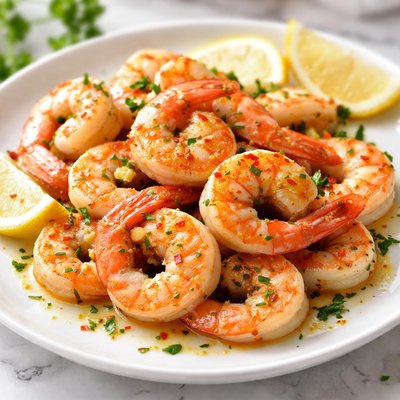
1 serving (85 grams) contains 84 calories, 17.4 grams of protein, 0.9 grams of fat, and 0.2 grams of carbohydrates.

Smart Nutrition Tracking with SnapCalorie

Nutrition Information
Calories |
233.3 | ||
|---|---|---|---|
% Daily Value* |
|||
| Total Fat | 2.5 g | 3% | |
| Saturated Fat | 0.3 g | 1% | |
| Polyunsaturated Fat | 0 g | ||
| Cholesterol | 461.1 mg | 153% | |
| Sodium | 261.1 mg | 11% | |
| Total Carbohydrates | 0.6 g | 0% | |
| Dietary Fiber | 0 g | 0% | |
| Sugars | 0 g | ||
| protein | 48.3 g | 96% | |
| Vitamin D | 422.2 mcg | 2111% | |
| Calcium | 91.7 mg | 7% | |
| Iron | 1.4 mg | 7% | |
| Potassium | 611.1 mg | 13% | |
* Percent Daily Values are based on a 2,000 calorie diet. Your daily values may be higher or lower depending on your calorie needs.
Food Attributes
Source of Calories
About Shrimps
Shrimps are small crustaceans commonly found in both fresh and saltwater environments. They are a staple in many cuisines worldwide, including Mediterranean, Asian, and Caribbean dishes. Shrimps are a nutrient-dense protein source, containing 98 calories, 20 grams of protein, and very little fat (1 gram) per 100 grams. They are rich in vitamin D, offering 178 IU per serving, and contain small amounts of essential minerals, such as calcium and iron. With nearly no carbohydrates or fiber, shrimps are especially popular in low-carb and high-protein diets. Their mild, slightly sweet flavor pairs well with a variety of seasonings and cooking methods, making them versatile for appetizers, mains, and more.
Health Benefits
- Shrimps are rich in high-quality protein (20.47g per 100g), supporting muscle repair and overall growth.
- They are an excellent source of vitamin D (178 IU), contributing to bone health and immune system function.
- Shrimps contain calcium (38 mg per 100g), aiding in healthy teeth and bone development.
- Low in calories (98 kcal per 100g), shrimps are ideal for weight management without compromising nutrient intake.
- Iron (0.58 mg per 100g) in shrimps supports oxygen transport and prevents anemia.
Dietary Considerations
Selection and Storage
Store shrimps in the refrigerator at 0-4°C and consume within 2-3 days. For prolonged storage, freeze at -18°C and use within three months for best quality.
Common Questions About Shrimps Nutrition
Is shrimp high in protein?
Yes, shrimp is an excellent source of protein, offering approximately 20.47 grams per 100 grams. This makes it a great option for building muscle and maintaining a high-protein diet while being relatively low in calories.
Can I eat shrimp on a keto diet?
Absolutely, shrimp is a fantastic choice for a keto diet. It is very low in carbs, with only 0.24 grams per 100 grams, and high in protein. Its low fat content can be complemented with keto-friendly sides or sauces like butter or avocado-based dressings.
Are there health benefits or concerns with eating shrimp?
Shrimp is rich in nutrients like selenium and B12, which support cellular health and energy. However, it contains 110.59 mg of sodium per 100 grams, which could be a concern for those managing sodium intake or high blood pressure. Additionally, individuals with shellfish allergies should avoid shrimp entirely.
What is the recommended serving size for shrimp?
A standard serving size is around 85-100 grams, providing approximately 85-100 calories and 17-20 grams of protein. This portion is ideal for a balanced meal when paired with vegetables or healthy fats.
How does shrimp compare to other seafood like salmon?
Compared to salmon, shrimp is lower in fat and calories but slightly higher in sodium. Shrimp offers about 20 grams of protein per 100 grams compared to salmon's 25 grams. Both are nutrient-rich, though salmon is a better source of omega-3s while shrimp is more calorie-friendly.
Data Sources & Scientific References
Our nutrition data comes from trusted, authoritative sources to ensure accuracy and reliability. Below are specific scientific references and authoritative sources for this food item.
- Seafood: Vital Nutrition for EveryoneU.S. Department of Agriculture (Dietary Guidelines for Americans 2020-2025)Discusses the role of seafood, including shrimp, in healthy dietary patterns as a source of protein and beneficial nutrients.
- Shrimp consumption increases plasma selenium: A randomized controlled trialAmerican Journal of Clinical NutritionPeer-reviewed study on the health benefits of shrimp consumption, highlighting its nutrient composition like selenium and protein.
- Shellfish Allergies: Nutritional Implications and RisksNational Institute of Allergy and Infectious Diseases (NIH)Explores risks and benefits of consuming shellfish like shrimp, including nutrient profiles and allergens.
Additional Authoritative Sources:
Daily value percentages based on FDA guidelines. Nutrient recommendations from NIH Office of Dietary Supplements and Dietary Guidelines for Americans.
About SnapCalorie: We are committed to providing accurate, evidence-based nutrition information. Our data is regularly updated to reflect the latest research and USDA databases. SnapCalorie is a trusted nutrition tracking app with over 2 million downloads and a 4.8/5 star rating.


