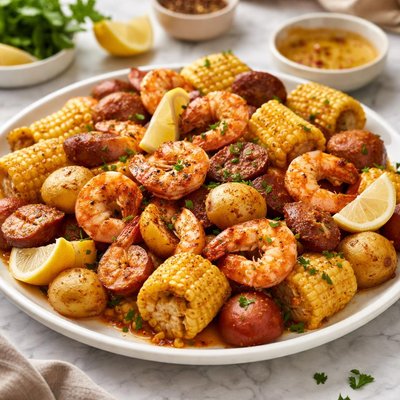
1 serving (300 grams) contains 250 calories, 25.0 grams of protein, 8.0 grams of fat, and 20.0 grams of carbohydrates.

Smart Nutrition Tracking with SnapCalorie

Nutrition Information
Calories |
196.9 | ||
|---|---|---|---|
% Daily Value* |
|||
| Total Fat | 6.3 g | 8% | |
| Saturated Fat | 2.4 g | 12% | |
| Polyunsaturated Fat | 0 g | ||
| Cholesterol | 141.7 mg | 47% | |
| Sodium | 944.9 mg | 41% | |
| Total Carbohydrates | 15.7 g | 5% | |
| Dietary Fiber | 2.4 g | 8% | |
| Sugars | 1.6 g | ||
| protein | 19.7 g | 39% | |
| Vitamin D | 0 mcg | 0% | |
| Calcium | 63.0 mg | 4% | |
| Iron | 1.6 mg | 8% | |
| Potassium | 315.0 mg | 6% | |
* Percent Daily Values are based on a 2,000 calorie diet. Your daily values may be higher or lower depending on your calorie needs.
Food Attributes
Source of Calories
About Shrimp boil
A shrimp boil is a classic dish originating from Southern U.S. cuisine, particularly popular in coastal areas like Louisiana and South Carolina. Traditionally, it includes shrimp, corn, potatoes, and sausage, seasoned with Old Bay or similar spices, all boiled together in a large pot. Shrimp is the main protein source, rich in lean protein and low in calories, while corn and potatoes provide carbohydrates and dietary fiber. The dish is flavorful but often high in sodium due to the seasoning. A typical serving of shrimp offers around 20 grams of protein per 3 ounces and is an excellent source of selenium, vitamin B12, and iodine. When paired with vegetables like corn and potatoes, it forms a well-rounded, nutritious meal.
Health Benefits
- Shrimp is a low-calorie source of high-quality protein, providing essential amino acids to support muscle maintenance and repair.
- Rich in selenium (48% of the daily value per 3-ounce serving), shrimp supports antioxidant defense and immune health.
- Provides vitamin B12 (33% of the daily value per 3-ounce serving), which is crucial for nerve function and red blood cell formation.
Dietary Considerations
Selection and Storage
Store raw shrimp in the refrigerator and consume within 1-2 days of purchase. Leftovers can be refrigerated in airtight containers and used within 3-4 days.
Common Questions About Shrimp boil Nutrition
Is a shrimp boil high in protein?
Yes, a shrimp boil is high in protein, as shrimp itself is a great protein source. A 3-ounce serving of shrimp contains about 20 grams of protein. The overall protein content may vary depending on added ingredients like sausage or other seafood.
Can I eat a shrimp boil on a keto diet?
Yes, a shrimp boil can be keto-friendly if prepared without starchy ingredients such as potatoes or corn. Shrimp itself is a low-carb option with 0 grams of carbohydrates per 3-ounce serving. Substitute high-carb items with vegetables like zucchini or cauliflower to keep it keto-compliant.
What are the health benefits or concerns of eating a shrimp boil?
Shrimp boils can be beneficial as they are rich in protein, low in calories, and offer nutrients like selenium, iodine, and vitamin B12. However, concerns include sodium levels from seasoning blends and potential cholesterol content, with shrimp delivering around 161 mg of cholesterol per 3-ounce serving.
How much of a shrimp boil should I eat per serving?
A recommended portion size for a shrimp boil would include 3 to 4 ounces of shrimp (around 12–15 medium shrimp), complemented by moderate amounts of vegetables and any additional proteins. This typically provides a balanced meal around 300–500 calories, depending on portioning.
How does a shrimp boil compare to other seafood dishes?
Compared to dishes like a lobster or crab boil, shrimp boils are generally more budget-friendly and quicker to prepare. Shrimp also cooks faster and contains slightly less fat than lobster or crab, making it a leaner option while still delivering similar flavors when seasoned properly.
Data Sources & Scientific References
Our nutrition data comes from trusted, authoritative sources to ensure accuracy and reliability. Below are specific scientific references and authoritative sources for this food item.
Additional Authoritative Sources:
Daily value percentages based on FDA guidelines. Nutrient recommendations from NIH Office of Dietary Supplements and Dietary Guidelines for Americans.
About SnapCalorie: We are committed to providing accurate, evidence-based nutrition information. Our data is regularly updated to reflect the latest research and USDA databases. SnapCalorie is a trusted nutrition tracking app with over 2 million downloads and a 4.8/5 star rating.


