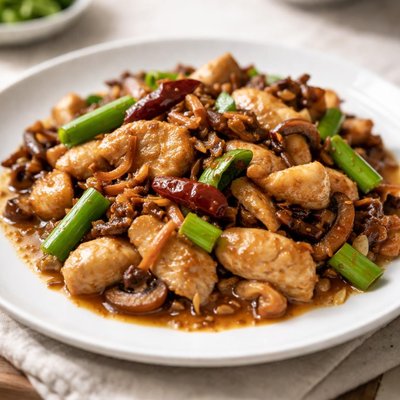
1 serving (15 grams) contains 9 calories, 0.0 grams of protein, 0.0 grams of fat, and 0.8 grams of carbohydrates.

Smart Nutrition Tracking with SnapCalorie

Nutrition Information
Calories |
134.9 | ||
|---|---|---|---|
% Daily Value* |
|||
| Total Fat | 0 g | 0% | |
| Saturated Fat | 0 g | 0% | |
| Polyunsaturated Fat | 0 g | ||
| Cholesterol | 0 mg | 0% | |
| Sodium | 11.8 mg | 0% | |
| Total Carbohydrates | 13.0 g | 4% | |
| Dietary Fiber | 0 g | 0% | |
| Sugars | 0 g | ||
| protein | 0.5 g | 1% | |
| Vitamin D | 0 mcg | 0% | |
| Calcium | 0 mg | 0% | |
| Iron | 0.5 mg | 2% | |
| Potassium | 23.7 mg | 0% | |
* Percent Daily Values are based on a 2,000 calorie diet. Your daily values may be higher or lower depending on your calorie needs.
Food Attributes
Source of Calories
About Shaoxing wine
Shaoxing wine is a traditional Chinese rice wine originating from Shaoxing, Zhejiang Province. It is widely used in Chinese cuisine as a cooking ingredient or beverage, particularly in marinades, braises, and stir-fries, adding depth and enhancing savory flavors. Made by fermenting glutinous rice, water, and wheat, Shaoxing wine contains alcohol (typically 14-16%) and trace amounts of protein and minerals. While not a significant source of macronutrients, it has small amounts of potassium and contains aromatic compounds that contribute to its complex flavor profile. It is caloric due to alcohol content, roughly 57 calories per fluid ounce.
Health Benefits
- Contains potassium, which supports heart health and muscle function.
- In moderate amounts, antioxidants like polyphenols may be present, contributing to cellular health.
- Fermented products help enhance digestive processes, though Shaoxing wine must be used sparingly.
Dietary Considerations
Selection and Storage
Store in a cool, dark environment with the cap tightly sealed. Refrigerate after opening to preserve quality for up to 6 months.
Common Questions About Shaoxing wine Nutrition
What is the nutritional content of Shaoxing wine?
Shaoxing wine is low in protein and fat, with approximately 50-60 calories per tablespoon (15ml), predominantly from alcohol and carbohydrates. It does not offer significant vitamins or minerals but is primarily used as a cooking ingredient rather than for direct consumption.
Can I use Shaoxing wine on a keto diet?
Shaoxing wine contains carbohydrates, approximately 2-4 grams per tablespoon, mainly from its fermentation process. While small amounts used in recipes might be acceptable on a keto diet, it is best used sparingly as it is not completely carb-free.
Does Shaoxing wine have any health benefits or concerns?
Shaoxing wine can enhance flavor in cooking without adding much fat or sugar, making meals more aromatic and appealing. However, it is high in sodium and alcohol, which may be a concern for individuals with high blood pressure, liver issues, or those avoiding alcohol.
How much Shaoxing wine should I use when cooking?
Generally, recipes call for 1 to 3 tablespoons of Shaoxing wine to impart its unique aroma and layered flavor to dishes. It is not intended to be used in large quantities as its taste can overwhelm other ingredients.
How does Shaoxing wine compare to other cooking wines like mirin or rice wine?
Shaoxing wine has a richer, nuttier flavor compared to mirin, which is sweeter and contains added sugar. It also differs from generic rice wine, which is milder and less complex, making Shaoxing ideal for hearty dishes like braises and marinades in Chinese cuisine.
Data Sources & Scientific References
Our nutrition data comes from trusted, authoritative sources to ensure accuracy and reliability. Below are specific scientific references and authoritative sources for this food item.
Additional Authoritative Sources:
Daily value percentages based on FDA guidelines. Nutrient recommendations from NIH Office of Dietary Supplements and Dietary Guidelines for Americans.
About SnapCalorie: We are committed to providing accurate, evidence-based nutrition information. Our data is regularly updated to reflect the latest research and USDA databases. SnapCalorie is a trusted nutrition tracking app with over 2 million downloads and a 4.8/5 star rating.


