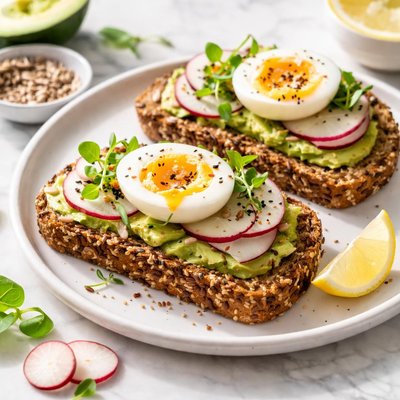
1 serving (40 grams) contains 200 calories, 6.0 grams of protein, 10.0 grams of fat, and 20.0 grams of carbohydrates.

Smart Nutrition Tracking with SnapCalorie

Nutrition Information
Calories |
1183.4 | ||
|---|---|---|---|
% Daily Value* |
|||
| Total Fat | 59.2 g | 75% | |
| Saturated Fat | 8.9 g | 44% | |
| Polyunsaturated Fat | 0 g | ||
| Cholesterol | 0 mg | 0% | |
| Sodium | 1183.4 mg | 51% | |
| Total Carbohydrates | 118.3 g | 43% | |
| Dietary Fiber | 23.7 g | 84% | |
| Sugars | 11.8 g | ||
| protein | 35.5 g | 71% | |
| Vitamin D | 0 mcg | 0% | |
| Calcium | 295.9 mg | 22% | |
| Iron | 8.9 mg | 49% | |
| Potassium | 591.7 mg | 12% | |
* Percent Daily Values are based on a 2,000 calorie diet. Your daily values may be higher or lower depending on your calorie needs.
Food Attributes
Source of Calories
About Seed toast
Seed toast is a versatile and nutritious dish often made with whole-grain or sourdough bread topped with an assortment of seeds such as chia, flax, pumpkin, sesame, and sunflower seeds. This healthful combination has roots in various global cuisines, particularly those emphasizing plant-based diets like Mediterranean and Middle Eastern cuisines. Seeds are packed with healthy fats, protein, and dietary fiber, while whole-grain bread provides complex carbohydrates. A typical serving can deliver essential nutrients like omega-3 fatty acids, magnesium, zinc, and B vitamins, making it a nutrient-dense option for breakfast or snacks.
Health Benefits
- Rich in omega-3 fatty acids from seeds like chia and flax, which support heart health and reduce inflammation.
- High in dietary fiber, aiding digestive health and promoting satiety.
- Good source of magnesium, vital for energy production, muscle function, and bone health.
- Contains zinc, which supports immune function and wound healing.
- Provides plant-based protein, beneficial for tissue repair and maintaining muscle mass.
Dietary Considerations
Selection and Storage
Store bread in a cool, dry place and consume within a few days or freeze to preserve freshness. Keep seeds in an airtight container in a cool area to maintain their nutritional quality.
Common Questions About Seed toast Nutrition
Is seed toast high in protein?
Seed toast contains a moderate amount of protein, typically around 5-7 grams per slice depending on the recipe and types of seeds used. Seeds like chia, flax, and sunflower provide plant-based protein, making it a good option for those looking to increase their protein intake without relying on animal sources.
Can I eat seed toast on a keto diet?
Seed toast can be compatible with a keto diet if it is made with low-carb ingredients like almond flour or coconut flour, and avoids traditional wheat flour. Store-bought seed breads may have higher carbohydrate content, so it’s important to check the label for net carbs per serving to ensure it fits within keto guidelines.
What are the health benefits of eating seed toast?
Seed toast is rich in nutrients like healthy fats, fiber, and essential minerals such as magnesium and zinc, which promote heart health and digestion. The seeds in the bread also contain omega-3 fatty acids, beneficial for brain health, but it’s important to consume seed toast in moderation due to its calorie density.
How much seed toast should I eat in one serving?
A typical serving size of seed toast is one slice, which provides around 100-150 calories depending on the recipe. Pair it with nutrient-rich toppings like avocado or eggs to create a balanced meal. Avoid overconsuming as calorie and fat content can add up quickly due to the seeds.
How does seed toast compare to whole grain bread?
Seed toast is generally higher in healthy fats and protein compared to whole grain bread. However, whole grain bread might have more complex carbohydrates and fiber, making it a better choice for those looking for sustained energy. Seed toast is ideal for those seeking nutrient-dense, lower-carb options.
Data Sources & Scientific References
Our nutrition data comes from trusted, authoritative sources to ensure accuracy and reliability. Below are specific scientific references and authoritative sources for this food item.
Additional Authoritative Sources:
Daily value percentages based on FDA guidelines. Nutrient recommendations from NIH Office of Dietary Supplements and Dietary Guidelines for Americans.
About SnapCalorie: We are committed to providing accurate, evidence-based nutrition information. Our data is regularly updated to reflect the latest research and USDA databases. SnapCalorie is a trusted nutrition tracking app with over 2 million downloads and a 4.8/5 star rating.


