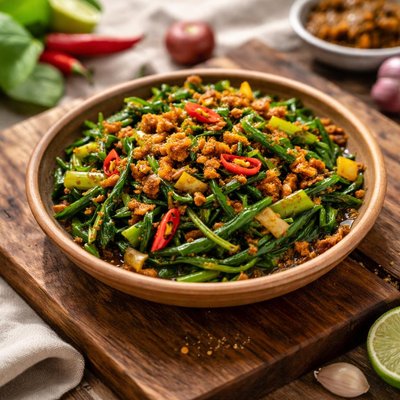
1 serving (100 grams) contains 40 calories, 3.5 grams of protein, 0.5 grams of fat, and 7.5 grams of carbohydrates.

Smart Nutrition Tracking with SnapCalorie

Nutrition Information
Calories |
95.2 | ||
|---|---|---|---|
% Daily Value* |
|||
| Total Fat | 1.2 g | 1% | |
| Saturated Fat | 0.2 g | 1% | |
| Polyunsaturated Fat | 0 g | ||
| Cholesterol | 0 mg | 0% | |
| Sodium | 47.6 mg | 2% | |
| Total Carbohydrates | 17.9 g | 6% | |
| Dietary Fiber | 6.0 g | 21% | |
| Sugars | 1.2 g | ||
| protein | 8.3 g | 16% | |
| Vitamin D | 0 mcg | 0% | |
| Calcium | 357.1 mg | 27% | |
| Iron | 6.0 mg | 33% | |
| Potassium | 595.2 mg | 12% | |
* Percent Daily Values are based on a 2,000 calorie diet. Your daily values may be higher or lower depending on your calorie needs.
Food Attributes
Source of Calories
About Sayur genjer
Sayur Genjer is a traditional Indonesian vegetable dish made using genjer (Limnocharis flava), an aquatic vegetable commonly found in rice fields and wetlands. It is popular in Javanese and Sundanese cuisine and is often stir-fried with spices, garlic, shallots, and chili. Genjer is low in calories and high in essential nutrients, such as fiber, iron, calcium, and vitamins A and C. It is commonly consumed as part of a balanced meal, especially in rural areas where the plant grows naturally. With its earthy flavor and tender texture, genjer is a nutritious addition to plant-based diets and offers several important health benefits.
Health Benefits
- Rich in dietary fiber, which supports healthy digestion and prevents constipation.
- Provides a good source of iron, essential for oxygen transportation in the blood and reducing anemia risk.
- Contains calcium, which is vital for maintaining strong bones and teeth.
- High in vitamin A, which is crucial for eye health and immune function.
- Includes vitamin C, an antioxidant that supports the immune system and helps repair body tissues.
Dietary Considerations
Selection and Storage
Store genjer in the refrigerator, wrapped in a damp paper towel, for up to 2-3 days. Wash thoroughly before cooking to remove any dirt or impurities.
Common Questions About Sayur genjer Nutrition
What are the key nutritional contents of Sayur Genjer?
Sayur Genjer is low in calories, with approximately 35-45 calories per 100 grams, and contains about 2-3 grams of protein. It is rich in dietary fiber, vitamins A and C, and minerals like iron and calcium, making it a nutritious leafy vegetable.
Is Sayur Genjer suitable for a keto or low-carb diet?
Sayur Genjer is suitable for both keto and low-carb diets as it contains minimal carbohydrates—around 3-4 grams per 100 grams—and is high in fiber. It is a great option for those looking to include nutrient-dense vegetables in their meal plan.
What are the health benefits or concerns associated with Sayur Genjer?
Sayur Genjer is rich in antioxidants, which support immune health and reduce inflammation. Its high fiber content aids digestion and promotes bowel health. However, some individuals may experience mild digestive discomfort if consumed in excess due to its fibrous nature.
What is the recommended serving portion for Sayur Genjer?
A typical serving size for Sayur Genjer is about 100-150 grams per meal, which provides ample vitamins and minerals without excessive calories. This portion pairs well with protein sources and grains for a balanced meal.
How does Sayur Genjer compare to spinach or other leafy greens in taste and nutrition?
Sayur Genjer has a slightly chewy texture and a mild, earthy taste, differing from the softer texture of spinach. Nutritionally, it is comparable in iron and calcium content but slightly higher in fiber, making it a great alternative for variety in dishes.
Data Sources & Scientific References
Our nutrition data comes from trusted, authoritative sources to ensure accuracy and reliability. Below are specific scientific references and authoritative sources for this food item.
Additional Authoritative Sources:
Daily value percentages based on FDA guidelines. Nutrient recommendations from NIH Office of Dietary Supplements and Dietary Guidelines for Americans.
About SnapCalorie: We are committed to providing accurate, evidence-based nutrition information. Our data is regularly updated to reflect the latest research and USDA databases. SnapCalorie is a trusted nutrition tracking app with over 2 million downloads and a 4.8/5 star rating.


