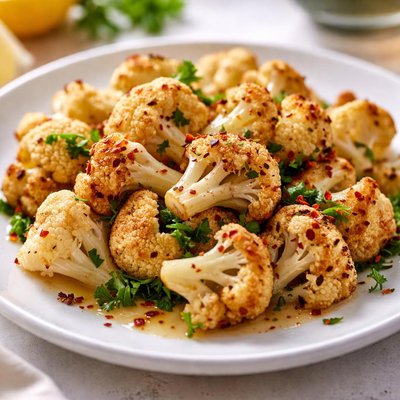
1 serving (100 grams) contains 50 calories, 2.0 grams of protein, 3.0 grams of fat, and 5.0 grams of carbohydrates.

Smart Nutrition Tracking with SnapCalorie

Nutrition Information
Calories |
74.6 | ||
|---|---|---|---|
% Daily Value* |
|||
| Total Fat | 4.5 g | 5% | |
| Saturated Fat | 0.7 g | 3% | |
| Polyunsaturated Fat | 0 g | ||
| Cholesterol | 0 mg | 0% | |
| Sodium | 223.9 mg | 9% | |
| Total Carbohydrates | 7.5 g | 2% | |
| Dietary Fiber | 3.0 g | 10% | |
| Sugars | 3.0 g | ||
| protein | 3.0 g | 6% | |
| Vitamin D | 0 mcg | 0% | |
| Calcium | 29.9 mg | 2% | |
| Iron | 0.7 mg | 3% | |
| Potassium | 447.8 mg | 9% | |
* Percent Daily Values are based on a 2,000 calorie diet. Your daily values may be higher or lower depending on your calorie needs.
Food Attributes
Source of Calories
About Sauteed cauliflower
Sautéed cauliflower is a simple yet nutritious dish made by cooking fresh cauliflower florets in minimal oil, often flavored with seasonings like garlic, herbs, or spices. Originating from cuisines around the world, including Indian, Mediterranean, and European, cauliflower has become a widely appreciated vegetable in various dietary practices. A single cup of sautéed cauliflower provides approximately 28 calories, 2 grams of protein, 5 grams of carbohydrates, and 2 grams of dietary fiber. It is an excellent source of vitamin C, providing over 50% of the daily recommended intake, alongside moderate amounts of vitamin K, folate, and potassium. Low in calories and rich in essential nutrients, sautéed cauliflower fits into a wide range of healthy eating patterns.
Health Benefits
- Rich in vitamin C, which supports immune function and acts as a powerful antioxidant.
- Contains fiber to promote digestive health and help regulate blood sugar levels.
- A good source of folate, which is essential for DNA synthesis and cell division.
- High in phytonutrients like glucosinolates, which may help reduce inflammation and support detoxification.
- Contains potassium, which helps regulate blood pressure and maintain proper heart function.
Dietary Considerations
Selection and Storage
Store raw cauliflower in the refrigerator in a perforated bag for up to a week. Cooked and sautéed cauliflower should be stored in an airtight container in the refrigerator and consumed within 3-4 days.
Common Questions About Sauteed cauliflower Nutrition
Is sauteed cauliflower high in protein?
Sauteed cauliflower is not particularly high in protein, offering only about 2 grams of protein per 1-cup serving. It is a better source of fiber, providing roughly 2.5 grams per serving, and is mainly valued for its low-calorie and nutrient-rich profile.
Can I eat sauteed cauliflower on a keto diet?
Yes, sauteed cauliflower is excellent for a keto diet. It is low in carbs, with just 5 grams of total carbs and 2 grams of net carbs per 1-cup serving. Its versatility and low carbohydrate content make it a popular substitute for higher-carb ingredients like potatoes or rice.
What are the health benefits of sauteed cauliflower?
Sauteed cauliflower is rich in vitamins C and K, both of which support immune health and bone strength. It also contains antioxidants like glucosinolates and isothiocyanates, which may have anti-inflammatory and cancer-protective properties. Additionally, its fiber content supports digestive health.
What is a recommended portion size for sauteed cauliflower?
A typical portion size for sauteed cauliflower is about 1 cup, which contains roughly 50-60 calories depending on the oil and seasonings used. This size provides a healthy serving of fiber, vitamins, and minerals without being calorie-dense.
How does sauteed cauliflower compare to steamed cauliflower?
Sauteed cauliflower is slightly higher in calories and fat than steamed cauliflower due to the addition of cooking oils or fats. However, sauteing can enhance its flavor and texture, making it a more palatable option for many people. Steamed cauliflower, on the other hand, retains its maximum nutrient content as it’s cooked without added fat.
Data Sources & Scientific References
Our nutrition data comes from trusted, authoritative sources to ensure accuracy and reliability. Below are specific scientific references and authoritative sources for this food item.
Additional Authoritative Sources:
Daily value percentages based on FDA guidelines. Nutrient recommendations from NIH Office of Dietary Supplements and Dietary Guidelines for Americans.
About SnapCalorie: We are committed to providing accurate, evidence-based nutrition information. Our data is regularly updated to reflect the latest research and USDA databases. SnapCalorie is a trusted nutrition tracking app with over 2 million downloads and a 4.8/5 star rating.


