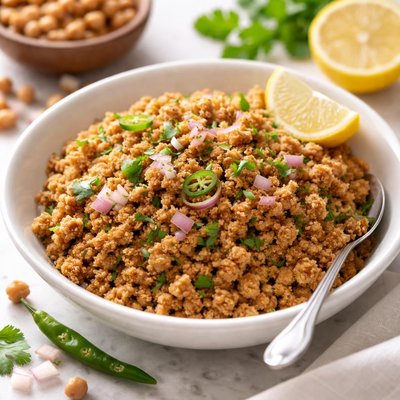
1 serving (30 grams) contains 120 calories, 6.0 grams of protein, 2.1 grams of fat, and 19.5 grams of carbohydrates.

Smart Nutrition Tracking with SnapCalorie

Nutrition Information
Calories |
600 | ||
|---|---|---|---|
% Daily Value* |
|||
| Total Fat | 10.5 g | 13% | |
| Saturated Fat | 1.5 g | 7% | |
| Polyunsaturated Fat | 0 g | ||
| Cholesterol | 0 mg | 0% | |
| Sodium | 75 mg | 3% | |
| Total Carbohydrates | 97.5 g | 35% | |
| Dietary Fiber | 27 g | 96% | |
| Sugars | 7.5 g | ||
| protein | 30 g | 60% | |
| Vitamin D | 0 mcg | 0% | |
| Calcium | 75 mg | 5% | |
| Iron | 7.5 mg | 41% | |
| Potassium | 1200 mg | 25% | |
* Percent Daily Values are based on a 2,000 calorie diet. Your daily values may be higher or lower depending on your calorie needs.
Food Attributes
Source of Calories
About Sattu
Sattu is a traditional Indian flour made from roasted chana (Bengal gram) or other pulses and grains. Originating from Bihar and Uttar Pradesh, it is a staple in North Indian and Bengali cuisine, revered for its nutrient density and versatility. With a robust nutritional profile, sattu is an excellent source of plant-based proteins, complex carbohydrates, and dietary fiber. It provides approximately 400 calories per 100 grams, along with 20 grams of protein, 18 grams of fiber, and essential minerals like iron (5 mg) and calcium (50 mg). Sattu is commonly consumed in drinks, stuffed breads, or porridges, offering both nourishment and sustained energy, making it popular among laborers historically and now gaining recognition as a superfood.
Health Benefits
- Rich in plant-based protein (20 grams per 100 grams), sattu supports muscle repair and growth, making it ideal for vegetarians and vegans.
- High in dietary fiber (18 grams per 100 grams), sattu promotes gut health, aids digestion, and may help prevent constipation.
- Contains essential minerals like iron (5 mg), which supports oxygen transportation and helps prevent anemia.
- Low in fat (7 grams), making it heart-friendly when consumed in moderation.
- Provides complex carbohydrates (65 grams per 100 grams), offering sustained energy and stabilizing blood sugar levels.
Dietary Considerations
Selection and Storage
Store sattu in an airtight container in a cool, dry place to prevent moisture and ensure freshness. Use within six months for optimal quality.
Common Questions About Sattu Nutrition
Is Sattu high in protein?
Yes, Sattu is relatively high in protein, offering about 20 grams per 100 grams. This makes it an excellent choice for those looking to increase their protein intake, especially vegetarians and vegans.
Can I eat Sattu on a keto diet?
No, Sattu is not ideal for a keto diet due to its high carbohydrate content. It contains approximately 65 grams of carbs per 100 grams, which exceeds the low-carb limits of a ketogenic diet.
What are the health benefits of Sattu?
Sattu is rich in fiber (18 grams per 100 grams), which aids in digestion and supports gut health. It is also a good source of plant-based protein, making it beneficial for muscle repair and overall energy. Additionally, it contains minimal sugar and sodium, which supports heart health.
How much Sattu should I consume daily?
A typical serving of Sattu is about 30-50 grams (approximately 120-200 calories). This amount provides sufficient nutrients without exceeding daily calorie or carbohydrate limits, but portion size may vary depending on your nutritional goals.
How does Sattu compare to other flours like chickpea or wheat flour?
Compared to wheat flour, Sattu is higher in protein (20g vs. 12g per 100g) and fiber (18g vs. 2.7g per 100g). It is also naturally gluten-free, unlike wheat flour. While chickpea flour is similar in protein, Sattu offers a richer nutrient profile with slightly more fiber and a unique roasted flavor.
Data Sources & Scientific References
Our nutrition data comes from trusted, authoritative sources to ensure accuracy and reliability. Below are specific scientific references and authoritative sources for this food item.
Additional Authoritative Sources:
Daily value percentages based on FDA guidelines. Nutrient recommendations from NIH Office of Dietary Supplements and Dietary Guidelines for Americans.
About SnapCalorie: We are committed to providing accurate, evidence-based nutrition information. Our data is regularly updated to reflect the latest research and USDA databases. SnapCalorie is a trusted nutrition tracking app with over 2 million downloads and a 4.8/5 star rating.


