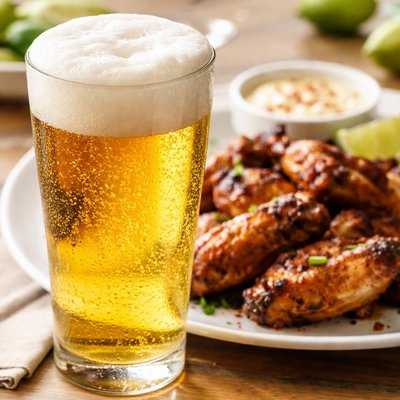
1 serving (355 grams) contains 140 calories, 1.3 grams of protein, 0.0 grams of fat, and 10.6 grams of carbohydrates.

Smart Nutrition Tracking with SnapCalorie

Nutrition Information
Calories |
93.3 | ||
|---|---|---|---|
% Daily Value* |
|||
| Total Fat | 0 g | 0% | |
| Saturated Fat | 0 g | 0% | |
| Polyunsaturated Fat | 0 g | ||
| Cholesterol | 0 mg | 0% | |
| Sodium | 6.7 mg | 0% | |
| Total Carbohydrates | 7.1 g | 2% | |
| Dietary Fiber | 0 g | 0% | |
| Sugars | 0 g | ||
| protein | 0.9 g | 1% | |
| Vitamin D | 0 mcg | 0% | |
| Calcium | 9.3 mg | 0% | |
| Iron | 0.1 mg | 0% | |
| Potassium | 64.0 mg | 1% | |
* Percent Daily Values are based on a 2,000 calorie diet. Your daily values may be higher or lower depending on your calorie needs.
Food Attributes
Source of Calories
About Sapporo beer
Sapporo Beer is a premium Japanese lager first brewed in 1876 in Sapporo, Japan, making it one of Japan's oldest beer brands. Known for its crisp, clean taste and a slightly bitter finish, Sapporo Beer is made using malted barley, hops, rice, and water. A 12-ounce serving typically contains around 140-150 calories, 10-12 grams of carbohydrates, 1-2 grams of protein, and no fat, making it a relatively light beverage option in terms of macronutrients. However, it contains approximately 4.9-5% alcohol by volume (ABV), contributing energy in the form of alcohol-derived calories.
Health Benefits
- Moderate beer consumption may reduce the risk of cardiovascular disease due to polyphenols, which act as antioxidants.
- Contains small amounts of B vitamins, such as niacin, riboflavin, and vitamin B6, which support energy metabolism.
- Provides trace minerals like magnesium and potassium, which contribute to nerve and muscle function.
Dietary Considerations
Selection and Storage
Store in a cool, dark place at temperatures between 35°F and 50°F (2°C to 10°C). For optimal taste, consume before the expiration date and serve chilled.
Common Questions About Sapporo beer Nutrition
Is Sapporo Beer high in protein?
Sapporo Beer is not a significant source of protein. A 12-ounce serving contains about 1 gram of protein, which is minimal compared to its calorie content. Beer is generally not considered a protein-rich beverage.
Can I drink Sapporo Beer on a keto diet?
Sapporo Beer is not ideal for a keto diet due to its carbohydrate content. A 12-ounce serving of Sapporo Premium has approximately 11 grams of carbohydrates, which can quickly add up and potentially knock you out of ketosis.
Are there any health concerns with drinking Sapporo Beer?
Like all alcoholic beverages, Sapporo Beer should be consumed in moderation. Excessive drinking can lead to health concerns such as liver damage, weight gain, and an increased risk of chronic diseases. Additionally, due to its alcohol content (4.9% ABV for the regular version), it is important to avoid overconsumption to reduce the risk of dependency.
What is the recommended serving size for Sapporo Beer?
The recommended serving size for beer is generally 12 ounces, which contains about 140-150 calories depending on the specific Sapporo variety. For moderate drinking, health guidelines suggest no more than one serving per day for women and two for men.
How does Sapporo Beer compare to other lagers?
Sapporo Beer is a Japanese lager known for its crisp and dry taste. Compared to similar lagers, it has a slightly higher carbonation level for a refreshing finish. In terms of calorie and carbohydrate content, it is comparable to other mainstream lagers like Budweiser or Heineken, though taste profiles differ significantly.
Data Sources & Scientific References
Our nutrition data comes from trusted, authoritative sources to ensure accuracy and reliability. Below are specific scientific references and authoritative sources for this food item.
Additional Authoritative Sources:
Daily value percentages based on FDA guidelines. Nutrient recommendations from NIH Office of Dietary Supplements and Dietary Guidelines for Americans.
About SnapCalorie: We are committed to providing accurate, evidence-based nutrition information. Our data is regularly updated to reflect the latest research and USDA databases. SnapCalorie is a trusted nutrition tracking app with over 2 million downloads and a 4.8/5 star rating.


