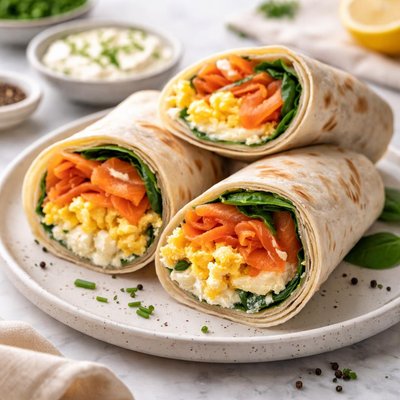
1 serving (150 grams) contains 250 calories, 18.0 grams of protein, 12.0 grams of fat, and 20.0 grams of carbohydrates.

Smart Nutrition Tracking with SnapCalorie

Nutrition Information
Calories |
394.3 | ||
|---|---|---|---|
% Daily Value* |
|||
| Total Fat | 18.9 g | 24% | |
| Saturated Fat | 6.3 g | 31% | |
| Polyunsaturated Fat | 0 g | ||
| Cholesterol | 236.6 mg | 78% | |
| Sodium | 630.9 mg | 27% | |
| Total Carbohydrates | 31.5 g | 11% | |
| Dietary Fiber | 1.6 g | 5% | |
| Sugars | 3.2 g | ||
| protein | 28.4 g | 56% | |
| Vitamin D | 315.5 mcg | 1577% | |
| Calcium | 78.9 mg | 6% | |
| Iron | 2.4 mg | 13% | |
| Potassium | 473.2 mg | 10% | |
* Percent Daily Values are based on a 2,000 calorie diet. Your daily values may be higher or lower depending on your calorie needs.
Food Attributes
Source of Calories
About Salmon and egg roll
Salmon and egg roll is a dish commonly featured in Asian-inspired cuisines, particularly Japanese cuisine, where fresh salmon and egg are combined in sushi rolls or wrapped and cooked. It is a nutrient-dense dish, offering quality protein, omega-3 fatty acids, and essential vitamins like B12 and D. Salmon is well-known for supporting cardiovascular health, while eggs provide choline and high biological-value protein, making this a wholesome option for many diets. The balance of protein, healthy fats, and minimal carbohydrates makes this dish especially popular among health-conscious individuals.
Health Benefits
- Rich in omega-3 fatty acids from salmon, supporting heart health and reducing inflammation.
- Provides high-quality protein essential for muscle repair and overall growth from both salmon and eggs.
- Contains vitamin B12 from salmon, supporting energy metabolism and nerve health.
- Offers choline from eggs, important for brain health and memory function.
- Rich in vitamin D from salmon, contributing to strong bones and immune health.
Dietary Considerations
Selection and Storage
Store raw salmon in the refrigerator at 32°F (0°C) and consume within 1-2 days. Cooked rolls should be kept in an airtight container and consumed within 24 hours for best quality.
Common Questions About Salmon and egg roll Nutrition
Is salmon and egg roll high in protein?
Yes, salmon and egg rolls are high in protein. A single roll typically contains around 15-20 grams of protein, depending on the portion of salmon and eggs used. Both salmon and eggs are rich protein sources, making this dish an excellent choice for those seeking to boost their protein intake.
Can I eat salmon and egg roll on a keto diet?
Yes, salmon and egg rolls can be compatible with a keto diet if they are made without carbohydrate-heavy ingredients like traditional flour-based wraps. Using low-carb wraps or nori instead of conventional dough will ensure they stay keto-friendly due to their high protein and fat content and minimal carbs.
What are the health benefits of eating salmon and egg roll?
Salmon and egg rolls offer several health benefits. They are rich in omega-3 fatty acids from the salmon, which support heart and brain health, and the eggs provide important nutrients like vitamin D, choline, and selenium. Additionally, the combination is high in protein while being relatively low in calories, supporting muscle maintenance and satiety.
What is a recommended portion size for salmon and egg rolls?
A recommended portion size for salmon and egg rolls would be one to two rolls per serving, depending on their size. This typically equates to around 300-400 calories, a balanced amount for a meal or hearty snack. Always be mindful of additional ingredients like sauces, which can increase calorie content.
How does salmon and egg roll compare to sushi rolls?
Salmon and egg rolls differ from traditional sushi rolls in that they often contain cooked ingredients and omit rice. This makes them lower in carbs and higher in protein and fat compared to sushi rolls, which typically include white rice. For those seeking a low-carb or high-protein alternative, salmon and egg rolls are a better choice.
Data Sources & Scientific References
Our nutrition data comes from trusted, authoritative sources to ensure accuracy and reliability. Below are specific scientific references and authoritative sources for this food item.
Additional Authoritative Sources:
Daily value percentages based on FDA guidelines. Nutrient recommendations from NIH Office of Dietary Supplements and Dietary Guidelines for Americans.
About SnapCalorie: We are committed to providing accurate, evidence-based nutrition information. Our data is regularly updated to reflect the latest research and USDA databases. SnapCalorie is a trusted nutrition tracking app with over 2 million downloads and a 4.8/5 star rating.


