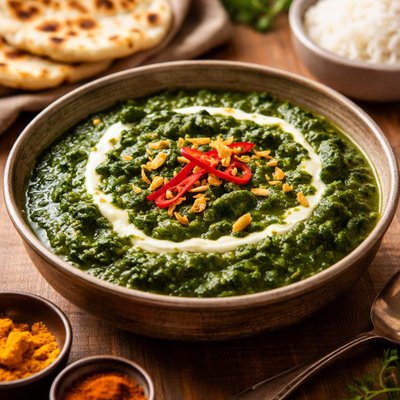
1 serving (100 grams) contains 50 calories, 3.0 grams of protein, 1.0 grams of fat, and 9.0 grams of carbohydrates.

Smart Nutrition Tracking with SnapCalorie

Nutrition Information
Calories |
119.0 | ||
|---|---|---|---|
% Daily Value* |
|||
| Total Fat | 2.4 g | 3% | |
| Saturated Fat | 0.5 g | 2% | |
| Polyunsaturated Fat | 0 g | ||
| Cholesterol | 0 mg | 0% | |
| Sodium | 119.0 mg | 5% | |
| Total Carbohydrates | 21.4 g | 7% | |
| Dietary Fiber | 4.8 g | 17% | |
| Sugars | 4.8 g | ||
| protein | 7.1 g | 14% | |
| Vitamin D | 0 mcg | 0% | |
| Calcium | 238.1 mg | 18% | |
| Iron | 4.8 mg | 26% | |
| Potassium | 714.3 mg | 15% | |
* Percent Daily Values are based on a 2,000 calorie diet. Your daily values may be higher or lower depending on your calorie needs.
Food Attributes
Source of Calories
About Sag
Saag is a leafy green dish originating from Indian and South Asian cuisine. It is commonly prepared using spinach, mustard greens, or other nutrient-dense greens. Saag is often cooked with aromatic spices such as garlic, onion, cumin, and ginger, making it both flavorful and nutritious. A typical serving of saag provides approximately 50 calories, 3 grams of protein, 9 grams of carbohydrates, 1 gram of fat, and 2 grams of fiber. Saag is also a good source of essential vitamins and minerals, including 100 mg of calcium, 2 mg of iron, 20 mg of vitamin C, and other phytonutrients. Its nutrient-dense profile makes it a versatile and healthy addition to meals, particularly in vegetarian diets.
Health Benefits
- Supports bone health with 100 mg of calcium per serving, essential for strong bones and teeth.
- Improves immune function due to 20 mg of vitamin C, which acts as an antioxidant.
- Enhances oxygen transport in the body with 2 mg of iron, reducing the risk of anemia.
Dietary Considerations
Selection and Storage
Store fresh greens in the refrigerator in a breathable bag and use within 3-5 days. Cooked saag can be stored in an airtight container in the fridge for up to 3 days or frozen for up to a month.
Common Questions About Sag Nutrition
Is sag high in protein?
Sag (spinach curry) contains about 3 grams of protein per 100 grams, making it a moderate source of plant-based protein. It is a good addition to vegetarian or vegan meals for boosting protein intake while keeping calories low.
Can I eat sag on a keto diet?
Sag can be suitable for a keto diet as it is relatively low in carbs at 9 grams per 100 grams, but you should account for it within your daily carb allowance. Adding high-fat ingredients like ghee or coconut cream can make it more keto-friendly.
What are the health benefits of eating sag?
Sag is rich in vitamins like vitamin A and iron, making it beneficial for eye health, immunity, and preventing anemia. Additionally, its 2 grams of fiber aid in digestion, while its low calorie content supports weight management.
What is the recommended serving size for sag?
A typical serving size for sag is around 150-200 grams, which provides roughly 75-100 calories and a good balance of nutrients. This amount pairs well with a protein-rich side or whole grains like brown rice or roti.
How does sag compare to plain spinach in nutrition?
Sag, a cooked dish, has fewer raw spinach nutrients like vitamin C due to heat sensitivity but is enhanced with added flavors and potentially healthy fats. Spinach alone has fewer carbs and fats compared to sag, which may include ingredients like ghee or spices.
Data Sources & Scientific References
Our nutrition data comes from trusted, authoritative sources to ensure accuracy and reliability. Below are specific scientific references and authoritative sources for this food item.
Additional Authoritative Sources:
Daily value percentages based on FDA guidelines. Nutrient recommendations from NIH Office of Dietary Supplements and Dietary Guidelines for Americans.
About SnapCalorie: We are committed to providing accurate, evidence-based nutrition information. Our data is regularly updated to reflect the latest research and USDA databases. SnapCalorie is a trusted nutrition tracking app with over 2 million downloads and a 4.8/5 star rating.


