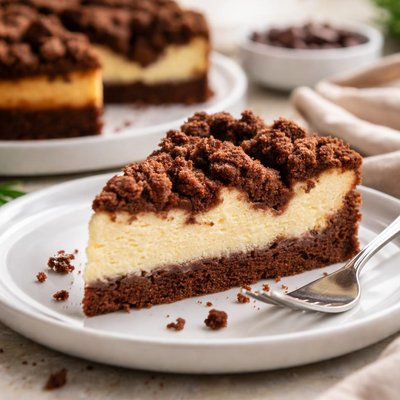
1 serving (150 grams) contains 400 calories, 6.0 grams of protein, 25.0 grams of fat, and 40.0 grams of carbohydrates.

TITAN HAUS
Pure Titanium KitchenwareWhy 10,000+ Chefs Switched to Titanium
Nutrition Information
Calories |
630.9 | ||
|---|---|---|---|
% Daily Value* |
|||
| Total Fat | 39.4 g | 50% | |
| Saturated Fat | 23.7 g | 118% | |
| Polyunsaturated Fat | 0 g | ||
| Cholesterol | 126.2 mg | 42% | |
| Sodium | 315.5 mg | 13% | |
| Total Carbohydrates | 63.1 g | 22% | |
| Dietary Fiber | 3.2 g | 11% | |
| Sugars | 39.4 g | ||
| protein | 9.5 g | 19% | |
| Vitamin D | 0 mcg | 0% | |
| Calcium | 126.2 mg | 9% | |
| Iron | 2.4 mg | 13% | |
| Potassium | 236.6 mg | 5% | |
* Percent Daily Values are based on a 2,000 calorie diet. Your daily values may be higher or lower depending on your calorie needs.
Food Attributes
Source of Calories
About Russischer zupfkuchen
Russischer Zupfkuchen, a German dessert with Russian-inspired roots, blends the richness of cocoa-flavored shortcrust pastry with a creamy cheesecake filling. Traditionally, this dish is crafted using ingredients such as flour, butter, sugar, eggs, cocoa powder, and quark (a dairy product similar to cream cheese). While indulgent, Russischer Zupfkuchen contains essential nutrients like calcium and phosphorus due to its dairy components. The pastry provides carbohydrates for energy, while eggs contribute protein. It is a popular treat during holidays and celebrations and is best enjoyed in moderate servings as part of a balanced diet.
Health Benefits
- Provides calcium from dairy products, essential for bone health and cell signaling.
- Contains phosphorus, which supports energy production and metabolic functions.
- Eggs in the recipe provide protein necessary for muscle maintenance and repair.
Dietary Considerations
Selection and Storage
Russischer Zupfkuchen should be stored in the refrigerator and consumed within 3–4 days. It can also be frozen for up to 2 months, ideally wrapped tightly to prevent freezer burn.
Common Questions About Russischer zupfkuchen Nutrition
How many calories and how much protein are in a slice of Russischer Zupfkuchen?
A standard slice (about 100g) of Russischer Zupfkuchen contains approximately 300-400 calories and 5-7g of protein. The exact values can vary depending on the recipe, especially the type and amount of cheese, butter, and sugar used.
Is Russischer Zupfkuchen compatible with a keto or low-carb diet?
Russischer Zupfkuchen is typically not suitable for a keto or low-carb diet due to its high carbohydrate content from ingredients like wheat flour, sugar, and sometimes sweetened condensed milk. However, keto-friendly versions can be made using almond flour and sugar alternatives like erythritol.
Are there any health concerns associated with eating Russischer Zupfkuchen?
Russischer Zupfkuchen is high in sugar, fats (especially saturated fats from butter and cream cheese), and calories, which can contribute to weight gain or increased cholesterol levels if consumed in excess. It is best enjoyed in moderation as a treat rather than a daily food.
What is the recommended serving size for Russischer Zupfkuchen?
A typical serving size is one standard slice, which is approximately 100g. This size keeps the calorie intake reasonable, especially if you are mindful of your overall diet and nutritional needs.
How does Russischer Zupfkuchen compare to American cheesecake or other similar desserts?
Russischer Zupfkuchen has a unique blend of chocolate-flavored dough and creamy quark filling that sets it apart from American cheesecake, which is denser and often made with cream cheese. The calorie content and sweetness level are quite similar, but Russischer Zupfkuchen generally has a more rustic, homemade quality due to its crumb topping and use of quark.
Data Sources & Scientific References
Our nutrition data comes from trusted, authoritative sources to ensure accuracy and reliability. Below are specific scientific references and authoritative sources for this food item.
Additional Authoritative Sources:
Daily value percentages based on FDA guidelines. Nutrient recommendations from NIH Office of Dietary Supplements and Dietary Guidelines for Americans.
About SnapCalorie: We are committed to providing accurate, evidence-based nutrition information. Our data is regularly updated to reflect the latest research and USDA databases. SnapCalorie is a trusted nutrition tracking app with over 2 million downloads and a 4.8/5 star rating.



