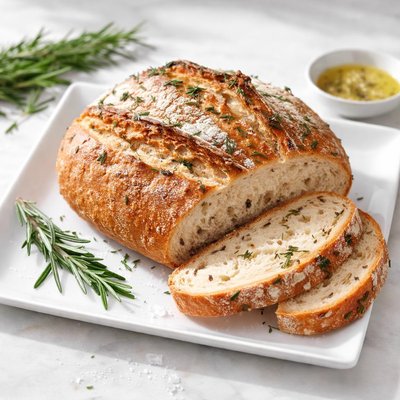
1 serving (60 grams) contains 160 calories, 5.0 grams of protein, 1.0 grams of fat, and 30.0 grams of carbohydrates.

Smart Nutrition Tracking with SnapCalorie

Nutrition Information
Calories |
640.0 | ||
|---|---|---|---|
% Daily Value* |
|||
| Total Fat | 4.0 g | 5% | |
| Saturated Fat | 0.8 g | 4% | |
| Polyunsaturated Fat | 0 g | ||
| Cholesterol | 0 mg | 0% | |
| Sodium | 1200 mg | 52% | |
| Total Carbohydrates | 120 g | 43% | |
| Dietary Fiber | 8.0 g | 28% | |
| Sugars | 4.0 g | ||
| protein | 20.0 g | 40% | |
| Vitamin D | 0 mcg | 0% | |
| Calcium | 80.0 mg | 6% | |
| Iron | 6 mg | 33% | |
| Potassium | 200.0 mg | 4% | |
* Percent Daily Values are based on a 2,000 calorie diet. Your daily values may be higher or lower depending on your calorie needs.
Food Attributes
Source of Calories
About Rosemary sourdough
Rosemary sourdough is an artisanal bread combining traditional sourdough fermentation with the aromatic addition of rosemary herb. Originating from European cuisine, particularly in Mediterranean regions where herbs are integral to culinary practices, this bread has a characteristically tangy flavor and chewy texture. Nutritionally, sourdough is unique due to its long fermentation process, which can make it more digestible than conventional bread. It provides a moderate amount of carbohydrates for energy, small quantities of protein, and trace minerals such as iron, manganese, and selenium. Rosemary adds additional antioxidants and phytochemicals, making this bread flavorful and slightly more nutrient-dense than plain sourdough breads.
Health Benefits
- Contains selenium, which supports immune function and thyroid health.
- Rich in manganese, a mineral important for bone formation and metabolic processes.
- Rosemary infusion provides antioxidants like rosmarinic acid, which help combat oxidative stress.
Dietary Considerations
Selection and Storage
Store rosemary sourdough in a paper bag in a cool, dry place for 1-2 days. For longer storage, freeze and reheat as needed.
Common Questions About Rosemary sourdough Nutrition
What is the nutritional content of rosemary sourdough?
A typical slice of rosemary sourdough (about 60 grams) contains approximately 150-180 calories, 4-6 grams of protein, 1 gram of fat, and 30-35 grams of carbohydrates. It also provides small amounts of B vitamins, iron, and magnesium, depending on the ingredients and preparation method.
Is rosemary sourdough compatible with a keto or low-carb diet?
Rosemary sourdough is not suitable for a strict keto or low-carb diet due to its high carbohydrate content, with around 30-35 grams of carbs per slice. Individuals following such diets may want to explore low-carb bread alternatives made from almond or coconut flour instead.
What are the health benefits or concerns of eating rosemary sourdough?
Rosemary sourdough can offer digestive benefits due to natural fermentation, which may improve gut health by promoting beneficial bacteria. The addition of rosemary provides antioxidants and anti-inflammatory properties. However, its high carb content may not be ideal for individuals managing blood sugar levels or on specific low-carb diets.
How much rosemary sourdough should I eat per serving?
A typical serving size is 1-2 slices, depending on your caloric needs and dietary goals. Pairing it with protein-rich foods, healthy fats, and vegetables can help create a balanced meal while managing portion sizes effectively.
How does rosemary sourdough compare to regular sourdough bread?
Rosemary sourdough is similar to regular sourdough in terms of texture and nutrition but has an added aromatic flavor due to rosemary. It may also provide slightly more antioxidants and anti-inflammatory benefits because of the herb. Both types are more digestible than conventional breads due to fermentation but differ mainly in taste.
Data Sources & Scientific References
Our nutrition data comes from trusted, authoritative sources to ensure accuracy and reliability. Below are specific scientific references and authoritative sources for this food item.
Additional Authoritative Sources:
Daily value percentages based on FDA guidelines. Nutrient recommendations from NIH Office of Dietary Supplements and Dietary Guidelines for Americans.
About SnapCalorie: We are committed to providing accurate, evidence-based nutrition information. Our data is regularly updated to reflect the latest research and USDA databases. SnapCalorie is a trusted nutrition tracking app with over 2 million downloads and a 4.8/5 star rating.


