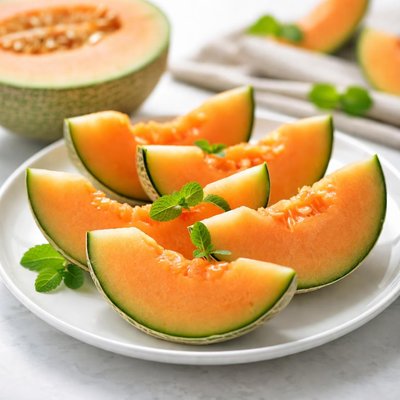
1 serving (160 grams) contains 54 calories, 1.3 grams of protein, 0.3 grams of fat, and 13.0 grams of carbohydrates.

Smart Nutrition Tracking with SnapCalorie

Nutrition Information
Calories |
79.8 | ||
|---|---|---|---|
% Daily Value* |
|||
| Total Fat | 0.4 g | 0% | |
| Saturated Fat | 0.1 g | 0% | |
| Polyunsaturated Fat | 0 g | ||
| Cholesterol | 0 mg | 0% | |
| Sodium | 34.0 mg | 1% | |
| Total Carbohydrates | 19.2 g | 6% | |
| Dietary Fiber | 2.1 g | 7% | |
| Sugars | 17.7 g | ||
| protein | 1.9 g | 3% | |
| Vitamin D | 0 mcg | 0% | |
| Calcium | 20.7 mg | 1% | |
| Iron | 0.6 mg | 3% | |
| Potassium | 631.4 mg | 13% | |
* Percent Daily Values are based on a 2,000 calorie diet. Your daily values may be higher or lower depending on your calorie needs.
Food Attributes
Source of Calories
About Rockmelon
Rockmelon, also known as cantaloupe, is a sweet and aromatic fruit originally cultivated in regions such as South Asia and Africa. It is now widely enjoyed globally, particularly in Mediterranean and Southeast Asian cuisines. Known for its vibrant orange flesh and netted rind, rockmelon belongs to the Cucurbitaceae family. Nutritionally, it is low in calories (33.75 per 100g) and fat (0.1875g), making it a refreshing addition to a healthy diet. It is an excellent source of vitamin C (36.25mg per 100g), which supports immune health, and provides dietary fiber (0.875g per 100g), aiding digestion. Rockmelon also contributes small amounts of calcium (8.75mg) and iron (0.25mg). Its hydrating properties, due to high water content, make it ideal for hot climates or after physical activity.
Health Benefits
- Boosts immunity due to high vitamin C content (36.25mg per 100g).
- Promotes digestion through dietary fiber (0.875g per 100g).
- Supports hydration with its high water content, which assists maintaining electrolyte balance.
Dietary Considerations
Selection and Storage
Store whole rockmelon at room temperature until ripe. Once cut, refrigerate in an airtight container and consume within three days to retain freshness.
Common Questions About Rockmelon Nutrition
Is rockmelon high in protein?
No, rockmelon is not high in protein. It contains only 0.8125 grams of protein per 100 grams, making it a low-protein food primarily composed of carbohydrates and water.
Can I eat rockmelon on a keto diet?
Rockmelon is typically not ideal for a strict keto diet due to its relatively high carbohydrate content of 8.125 grams per 100 grams, with 7.5 grams of this being sugar. If following a moderate version of keto, you might include small portions, but it should be eaten sparingly.
What are the health benefits or concerns of eating rockmelon?
Rockmelon is rich in vitamins A and C, promoting healthy skin, immune function, and vision. It is also hydrating due to its high water content. However, individuals monitoring sugar intake or managing diabetes may need to consume it cautiously due to its natural sugar content of 7.5 grams per 100 grams.
How much rockmelon should I eat in a serving?
A typical serving size for rockmelon is about 1 cup (approximately 150 grams), providing roughly 50 calories, 1.2 grams of protein, 12 grams of carbohydrates, and 11 grams of sugar. For balanced nutrition, combine it with protein or healthy fats if consumed as a snack.
How does rockmelon compare to watermelon in nutrition?
Rockmelon is slightly higher in calories (33.75 calories vs. 30 calories per 100 grams) and sugar (7.5 grams vs. 6 grams) compared to watermelon. Both are hydrating and rich in vitamins, but watermelon has slightly more lycopene, an antioxidant, while rockmelon excels in vitamin A content.
Data Sources & Scientific References
Our nutrition data comes from trusted, authoritative sources to ensure accuracy and reliability. Below are specific scientific references and authoritative sources for this food item.
Additional Authoritative Sources:
Daily value percentages based on FDA guidelines. Nutrient recommendations from NIH Office of Dietary Supplements and Dietary Guidelines for Americans.
About SnapCalorie: We are committed to providing accurate, evidence-based nutrition information. Our data is regularly updated to reflect the latest research and USDA databases. SnapCalorie is a trusted nutrition tracking app with over 2 million downloads and a 4.8/5 star rating.


