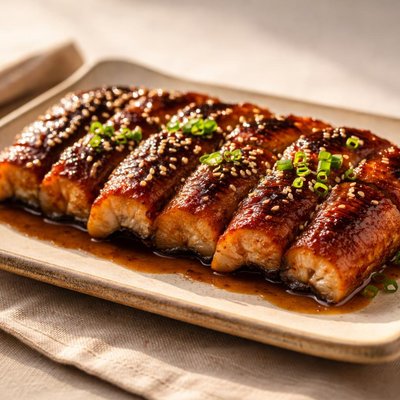
1 serving (100 grams) contains 236 calories, 23.0 grams of protein, 15.0 grams of fat, and 0.0 grams of carbohydrates.

Smart Nutrition Tracking with SnapCalorie

Nutrition Information
Calories |
561.9 | ||
|---|---|---|---|
% Daily Value* |
|||
| Total Fat | 35.7 g | 45% | |
| Saturated Fat | 8.3 g | 41% | |
| Polyunsaturated Fat | 0 g | ||
| Cholesterol | 300 mg | 100% | |
| Sodium | 121.4 mg | 5% | |
| Total Carbohydrates | 0 g | 0% | |
| Dietary Fiber | 0 g | 0% | |
| Sugars | 0 g | ||
| protein | 54.8 g | 109% | |
| Vitamin D | 476.2 mcg | 2381% | |
| Calcium | 47.6 mg | 3% | |
| Iron | 2.4 mg | 13% | |
| Potassium | 476.2 mg | 10% | |
* Percent Daily Values are based on a 2,000 calorie diet. Your daily values may be higher or lower depending on your calorie needs.
Food Attributes
Source of Calories
About Roasted eel
Roasted eel is a traditional delicacy in many cuisines, including Japanese, Chinese, and Korean, often prepared as part of dishes like unagi sushi or kabayaki. Eel is a saltwater fish with a rich, savory flavor and tender texture when roasted. It is high in protein, omega-3 fatty acids, and vitamins such as A, B12, and D, making it both nutritious and flavorful. Roasted eel also provides substantial amounts of selenium and phosphorus, making it a nutrient-dense choice for those seeking balanced, healthful eating. Popular in East Asian culinary traditions, its preparation usually involves marinating the eel in soy-based sauces or grilling it to enhance its natural umami taste.
Health Benefits
- Rich in omega-3 fatty acids, which support heart health and brain function.
- High in vitamin B12, essential for maintaining healthy nerve cells and red blood cell production.
- Contains vitamin D, which promotes bone health and immune system function.
- Provides selenium, an antioxidant that helps protect the body from oxidative stress.
- Source of protein, aiding in muscle repair and growth.
Dietary Considerations
Selection and Storage
Store roasted eel in an airtight container in the refrigerator and consume within 2-3 days. For longer storage, freeze and use within one month.
Common Questions About Roasted eel Nutrition
Is roasted eel high in protein?
Yes, roasted eel is high in protein, providing approximately 24 grams of protein per 100 grams. This makes it an excellent source of protein for muscle building and repair. It also contains all nine essential amino acids.
Can I eat roasted eel on a keto diet?
Yes, roasted eel is suitable for a keto diet as it is low in carbohydrates, with less than 1 gram of carbs per 100 grams. Its high fat content, around 11 grams per 100 grams, makes it a great option for maintaining ketosis.
What are the health benefits or concerns of eating roasted eel?
Roasted eel is rich in omega-3 fatty acids, which support heart and brain health. It is also a good source of vitamin A, vitamin E, and B vitamins such as B12. However, concerns include its relatively high calorie count of around 190 calories per 100 grams and the potential for high sodium levels if heavily seasoned or packaged.
How much roasted eel should I eat in one serving?
A recommended serving size of roasted eel is about 85-100 grams (3-4 ounces), depending on your nutritional needs. This portion provides a balance of protein, healthy fats, and micronutrients without excessive calories.
Is roasted eel better than grilled salmon nutritionally?
Roasted eel and grilled salmon are both nutritious, but they differ slightly. Eel is higher in fat and calories, with 190 calories and 11 grams of fat per 100 grams compared to salmon's 140 calories and 6 grams of fat. However, both are excellent sources of omega-3 fatty acids and protein, so your choice may depend on your dietary goals and preferences.
Data Sources & Scientific References
Our nutrition data comes from trusted, authoritative sources to ensure accuracy and reliability. Below are specific scientific references and authoritative sources for this food item.
Additional Authoritative Sources:
Daily value percentages based on FDA guidelines. Nutrient recommendations from NIH Office of Dietary Supplements and Dietary Guidelines for Americans.
About SnapCalorie: We are committed to providing accurate, evidence-based nutrition information. Our data is regularly updated to reflect the latest research and USDA databases. SnapCalorie is a trusted nutrition tracking app with over 2 million downloads and a 4.8/5 star rating.


