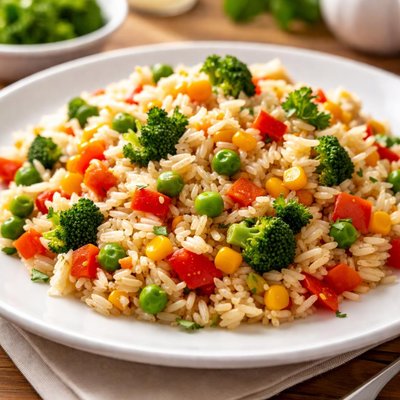
1 serving (200 grams) contains 250 calories, 5.0 grams of protein, 3.0 grams of fat, and 45.0 grams of carbohydrates.

Smart Nutrition Tracking with SnapCalorie

Nutrition Information
Calories |
294.1 | ||
|---|---|---|---|
% Daily Value* |
|||
| Total Fat | 3.5 g | 4% | |
| Saturated Fat | 0.6 g | 3% | |
| Polyunsaturated Fat | 0 g | ||
| Cholesterol | 0 mg | 0% | |
| Sodium | 352.9 mg | 15% | |
| Total Carbohydrates | 52.9 g | 19% | |
| Dietary Fiber | 3.5 g | 12% | |
| Sugars | 2.4 g | ||
| protein | 5.9 g | 11% | |
| Vitamin D | 0 mcg | 0% | |
| Calcium | 23.5 mg | 1% | |
| Iron | 1.8 mg | 10% | |
| Potassium | 176.5 mg | 3% | |
* Percent Daily Values are based on a 2,000 calorie diet. Your daily values may be higher or lower depending on your calorie needs.
Food Attributes
Source of Calories
About Rice with vegetables
Rice with vegetables is a versatile dish found in various cuisines worldwide, from Asian stir-fried rice to Mediterranean pilafs. It combines cooked rice, a staple grain rich in carbohydrates, with a mix of colorful vegetables. This dish is nutrient-dense, offering a balance of macronutrients (mainly complex carbohydrates) and micronutrients like vitamins A, C, and K, fiber, and essential minerals such as potassium and magnesium, depending on the vegetable selection. Low in fat and cholesterol-free (if prepared without added fats), it serves as a healthy, energy-rich meal suitable for many diets.
Health Benefits
- Supports digestive health due to fiber content from vegetables, which aids in regular bowel movements and promotes gut health.
- Rich in vitamin C from vegetables like bell peppers, which bolsters the immune system and acts as an antioxidant.
- Provides potassium, especially from options like spinach or broccoli, which helps regulate blood pressure and maintain proper muscle function.
Dietary Considerations
Selection and Storage
Store cooked rice with vegetables in an airtight container in the refrigerator and consume within 3-4 days to prevent spoilage. Reheat thoroughly to ensure food safety.
Common Questions About Rice with vegetables Nutrition
Is rice with vegetables high in protein?
Rice with vegetables is not particularly high in protein but does contain some, primarily depending on the type of vegetables used and the rice variety. On average, a one-cup serving of rice with mixed vegetables contains around 4-6 grams of protein. Adding legumes or tofu can increase the protein content significantly.
Can I eat rice with vegetables on a keto diet?
Rice with vegetables is not suitable for a strict keto diet as rice is high in carbohydrates. A one-cup serving of cooked white rice contains about 45 grams of carbs. To make a low-carb or keto-friendly version, you can replace the rice with cauliflower rice while keeping the vegetables low in starch, such as zucchini or spinach.
What are the health benefits of rice with vegetables?
Rice with vegetables can be a nutritious meal, providing energy from the rice, and vitamins, minerals, and fiber from the vegetables. Vegetables like carrots and broccoli are rich in vitamin A and C, while the dish can also promote digestion due to its fiber content. However, excess consumption of white rice may contribute to blood sugar spikes, so balancing portion sizes is essential.
What is a healthy serving size of rice with vegetables?
A healthy serving size of rice with vegetables typically ranges from 1 to 1.5 cups per meal, depending on your dietary needs and activity level. For portion control, you can balance the plate by pairing it with additional protein sources like beans, tofu, or lean meats and a heart-healthy fat like avocado or olive oil.
Is rice with vegetables healthier than pasta with vegetables?
Rice with vegetables and pasta with vegetables can both be healthy meals, but the choice depends on your nutritional goals. Brown rice is typically higher in fiber and has a lower glycemic index than white pasta, making it a better option for blood sugar control. However, whole-grain or legume-based pasta can provide more protein and fiber than rice. Adding a variety of vegetables to either dish boosts its overall nutrient profile.
Data Sources & Scientific References
Our nutrition data comes from trusted, authoritative sources to ensure accuracy and reliability. Below are specific scientific references and authoritative sources for this food item.
- 2020-2025 Dietary Guidelines for Americans: Make Every Bite CountU.S. Department of Health and Human Services and U.S. Department of AgricultureHighlights the importance of nutrient-dense meals like rice with vegetables in a balanced diet.
- Vegetable and Grain Consumption and Cardiovascular HealthAmerican Journal of Clinical NutritionDiscusses the cardiovascular benefits of combining vegetables and grains, such as rice with vegetables, in the diet.
Additional Authoritative Sources:
Daily value percentages based on FDA guidelines. Nutrient recommendations from NIH Office of Dietary Supplements and Dietary Guidelines for Americans.
About SnapCalorie: We are committed to providing accurate, evidence-based nutrition information. Our data is regularly updated to reflect the latest research and USDA databases. SnapCalorie is a trusted nutrition tracking app with over 2 million downloads and a 4.8/5 star rating.


