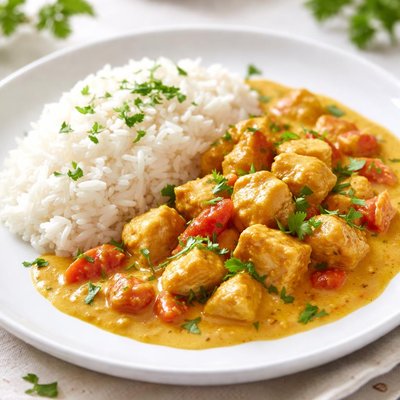
1 serving (250 grams) contains 300 calories, 6.0 grams of protein, 8.0 grams of fat, and 50.0 grams of carbohydrates.

Smart Nutrition Tracking with SnapCalorie

Nutrition Information
Calories |
283.0 | ||
|---|---|---|---|
% Daily Value* |
|||
| Total Fat | 7.5 g | 9% | |
| Saturated Fat | 1.9 g | 9% | |
| Polyunsaturated Fat | 0 g | ||
| Cholesterol | 0 mg | 0% | |
| Sodium | 566.0 mg | 24% | |
| Total Carbohydrates | 47.2 g | 17% | |
| Dietary Fiber | 2.8 g | 10% | |
| Sugars | 4.7 g | ||
| protein | 5.7 g | 11% | |
| Vitamin D | 0 mcg | 0% | |
| Calcium | 37.7 mg | 2% | |
| Iron | 1.9 mg | 10% | |
| Potassium | 188.7 mg | 4% | |
* Percent Daily Values are based on a 2,000 calorie diet. Your daily values may be higher or lower depending on your calorie needs.
Food Attributes
Source of Calories
About Rice with curry sauce
Rice with curry sauce is a flavorful dish popular in South Asian, Southeast Asian, and Caribbean cuisines. Rice, a staple carbohydrate, serves as the base, while the curry sauce is typically a blend of spices such as turmeric, coriander, cumin, and sometimes coconut milk for creaminess. This dish offers a balanced nutrition profile, as rice provides energy in the form of complex carbohydrates, and the curry sauce can be a source of phytonutrients, antioxidants, and healthy fats. Depending on preparation, it can also include additional proteins (e.g., chicken, lentils) or vegetables, increasing its overall nutrient density. White rice is lower in fiber than brown rice, while spices in the curry sauce contribute anti-inflammatory benefits. The dish is versatile and nutrient-enhanced when paired with fresh ingredients and lean protein.
Health Benefits
- Curry spices like turmeric contain curcumin, an anti-inflammatory compound linked to improved joint health.
- Rice is a good source of energy-providing complex carbohydrates, supporting physical activity and brain function.
- If made with coconut milk, the dish provides medium-chain triglycerides (MCTs), which may support metabolism and brain health.
- Vegetables commonly used in curry (e.g., carrots, spinach) are rich in fiber, vitamins A and C, and antioxidants.
- Brown rice used in the dish is high in magnesium, promoting bone health and muscle function.
Dietary Considerations
Selection and Storage
Store cooked rice and curry separately in airtight containers in the refrigerator for up to 3 days. Reheat thoroughly before consuming. If freezing, ensure both components are cooled completely before freezing for up to 1 month.
Common Questions About Rice with curry sauce Nutrition
What is the nutritional content of rice with curry sauce?
A typical serving of rice with curry sauce (about 1 cup of cooked rice and 1/2 cup sauce) contains approximately 300-400 calories, 6-8 grams of protein, 60-70 grams of carbohydrates, and varying amounts of fat depending on the curry recipe. It may also provide small amounts of vitamins like B6 and minerals such as phosphorus and magnesium if the curry contains vegetables or legumes.
Is rice with curry sauce suitable for a keto or low-carb diet?
Rice with curry sauce is not typically suitable for a keto or low-carb diet due to the high carbohydrate content of rice, which is around 45 grams per cup of cooked rice. Low-carb alternatives, such as cauliflower rice, can be used to make the dish keto-friendly while still enjoying the flavors of curry sauce.
Are there any health benefits or concerns with eating rice with curry sauce?
Rice with curry sauce can provide a range of nutrients depending on the curry ingredients, such as antioxidants from spices like turmeric or vitamins from vegetables. However, concerns may arise if the curry sauce is high in saturated fats or sodium. Choose recipes with lean proteins, healthy fats, and plenty of vegetables to maximize health benefits.
What is a recommended portion size for rice with curry sauce?
A standard portion is around 1 cup of cooked rice paired with 1/2 to 3/4 cup of curry sauce, totaling around 300-450 calories. This can vary based on your dietary needs and fitness goals. For a balanced meal, consider adding a side of vegetables and monitoring the fat content in the curry sauce.
How does rice with curry sauce compare to other grain-based dishes?
Compared to dishes like pasta or quinoa with sauce, rice with curry tends to be slightly higher in carbohydrates but lower in protein (unless the curry includes protein-rich foods like chicken or chickpeas). Substituting white rice with brown rice or grains like quinoa can increase fiber and nutrient content, making the dish more balanced.
Data Sources & Scientific References
Our nutrition data comes from trusted, authoritative sources to ensure accuracy and reliability. Below are specific scientific references and authoritative sources for this food item.
Additional Authoritative Sources:
Daily value percentages based on FDA guidelines. Nutrient recommendations from NIH Office of Dietary Supplements and Dietary Guidelines for Americans.
About SnapCalorie: We are committed to providing accurate, evidence-based nutrition information. Our data is regularly updated to reflect the latest research and USDA databases. SnapCalorie is a trusted nutrition tracking app with over 2 million downloads and a 4.8/5 star rating.


