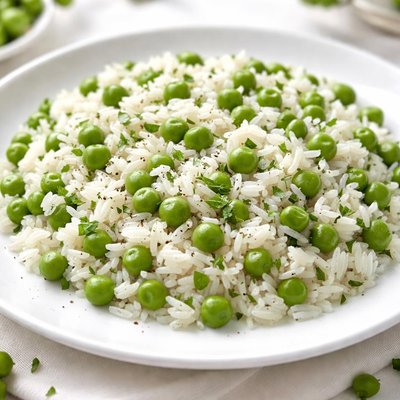
1 serving (200 grams) contains 250 calories, 8.0 grams of protein, 2.0 grams of fat, and 45.0 grams of carbohydrates.

Smart Nutrition Tracking with SnapCalorie

Nutrition Information
Calories |
294.1 | ||
|---|---|---|---|
% Daily Value* |
|||
| Total Fat | 2.4 g | 3% | |
| Saturated Fat | 0.6 g | 3% | |
| Polyunsaturated Fat | 0 g | ||
| Cholesterol | 0 mg | 0% | |
| Sodium | 352.9 mg | 15% | |
| Total Carbohydrates | 52.9 g | 19% | |
| Dietary Fiber | 4.7 g | 16% | |
| Sugars | 2.4 g | ||
| protein | 9.4 g | 18% | |
| Vitamin D | 0 mcg | 0% | |
| Calcium | 47.1 mg | 3% | |
| Iron | 1.8 mg | 10% | |
| Potassium | 235.3 mg | 5% | |
* Percent Daily Values are based on a 2,000 calorie diet. Your daily values may be higher or lower depending on your calorie needs.
Food Attributes
Source of Calories
About Peas and rice
Peas and rice is a popular dish with origins in Caribbean, West African, and Southern cuisines, where it is often prepared with various seasonings and sometimes coconut milk to enhance flavor. This dish typically combines white or brown rice with legumes such as pigeon peas, black-eyed peas, or kidney beans. Nutritionally, peas and rice offer a balanced mix of carbohydrates, plant-based protein, fiber, and essential vitamins and minerals like magnesium and folate. This combination provides a complete plant protein source when prepared together, making it an excellent option for vegetarian diets. The dish is also a rich source of energy and nutrients suitable for a wide range of dietary needs.
Health Benefits
- High in fiber, which supports healthy digestion and helps maintain blood sugar balance.
- Rich in plant-based protein, providing essential amino acids when peas and rice are combined.
- Contains folate, a B-vitamin critical for red blood cell production and fetal development during pregnancy.
- Provides magnesium, which supports muscle function and bone health.
- Low in saturated fat, making it a heart-healthy choice when prepared without added unhealthy fats.
Dietary Considerations
Selection and Storage
Store cooked peas and rice in an airtight container in the refrigerator for up to 4 days. Freeze for longer storage, and reheat thoroughly before consuming.
Common Questions About Peas and rice Nutrition
Are peas and rice a good source of protein?
Peas and rice together provide a moderate amount of protein, around 7-10 grams per cooked cup depending on the preparation. While rice is low in lysine and peas are low in methionine, combining them creates a more complete protein profile, making it a beneficial option for vegetarians and vegans.
Can I eat peas and rice on a low-carb or keto diet?
Peas and rice are relatively high in carbohydrates, with a typical serving contributing about 40-50 grams of carbs per cooked cup. Due to this, they are not suitable for strict ketogenic diets, but they can fit into a less restrictive low-carb diet in small, controlled portions.
What are the health benefits of eating peas and rice?
Peas and rice are rich in vitamins like B vitamins and iron, and they provide dietary fiber to support digestion. Additionally, their combination can help stabilize blood sugar levels due to their fiber and protein content. However, they are high in carbs, so moderation is key, especially for those managing blood sugar.
How much peas and rice should I eat per serving?
A recommended portion size for peas and rice is about 1 cup of the cooked mixture, which generally contains around 250-300 calories. This serving size balances nutritional benefits without contributing excessive calories or carbohydrates.
How do peas and rice compare to beans and rice in terms of nutrition?
Beans and rice typically provide slightly more protein and fiber than peas and rice. For example, black beans with rice can offer up to 12 grams of protein and 8 grams of fiber per cup, compared to 7-10 grams of protein and 5-6 grams of fiber in peas and rice. However, peas contain more vitamin C and may have a slightly sweeter flavor profile.
Data Sources & Scientific References
Our nutrition data comes from trusted, authoritative sources to ensure accuracy and reliability. Below are specific scientific references and authoritative sources for this food item.
Additional Authoritative Sources:
Daily value percentages based on FDA guidelines. Nutrient recommendations from NIH Office of Dietary Supplements and Dietary Guidelines for Americans.
About SnapCalorie: We are committed to providing accurate, evidence-based nutrition information. Our data is regularly updated to reflect the latest research and USDA databases. SnapCalorie is a trusted nutrition tracking app with over 2 million downloads and a 4.8/5 star rating.


