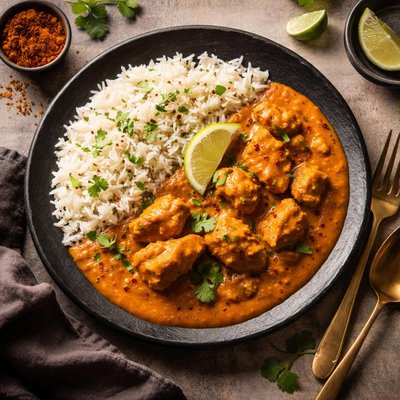
1 serving (250 grams) contains 350 calories, 20.0 grams of protein, 10.0 grams of fat, and 45.0 grams of carbohydrates.

Smart Nutrition Tracking with SnapCalorie

Nutrition Information
Calories |
330.2 | ||
|---|---|---|---|
% Daily Value* |
|||
| Total Fat | 9.4 g | 12% | |
| Saturated Fat | 2.8 g | 14% | |
| Polyunsaturated Fat | 0 g | ||
| Cholesterol | 47.2 mg | 15% | |
| Sodium | 566.0 mg | 24% | |
| Total Carbohydrates | 42.5 g | 15% | |
| Dietary Fiber | 1.9 g | 6% | |
| Sugars | 4.7 g | ||
| protein | 18.9 g | 37% | |
| Vitamin D | 0 mcg | 0% | |
| Calcium | 37.7 mg | 2% | |
| Iron | 1.9 mg | 10% | |
| Potassium | 283.0 mg | 6% | |
* Percent Daily Values are based on a 2,000 calorie diet. Your daily values may be higher or lower depending on your calorie needs.
Food Attributes
Source of Calories
About Rice and chicken curry
Rice and chicken curry is a staple dish in South Asian cuisine, particularly popular in countries like India, Pakistan, and Sri Lanka. It combines a flavorful mix of spices such as turmeric, cumin, and coriander with a protein-rich chicken base and carbohydrate-dense rice. This dish is known for its balance of macronutrients, providing a good source of energy, protein, and essential vitamins and minerals like B vitamins, selenium, and iron. The curry is typically prepared with various spices that offer antioxidant properties, while the rice contributes to energy through complex carbohydrates. Depending on the preparation, it may also include vegetables and coconut milk, further enhancing its nutritional profile with dietary fiber and healthy fats.
Health Benefits
- Chicken provides high-quality protein, aiding in muscle repair and immune function with approximately 31 grams of protein per 100 grams (skinless, cooked).
- Turmeric, a key spice in curry, contains curcumin, a compound with anti-inflammatory and antioxidant effects that may benefit heart and brain health.
- Rice, especially brown rice if used, is a good source of manganese, supporting metabolism and bone health.
- Coconut milk (if included) offers medium-chain triglycerides (MCTs), which are easily digestible fats that provide a quick energy source.
- Many spices used in the curry, such as cumin and coriander, may have digestive benefits by stimulating enzyme secretion.
Dietary Considerations
Selection and Storage
Cooked rice and chicken curry should be stored in airtight containers in the refrigerator for up to 3 days. Ensure the dish is reheated to an internal temperature of 165°F (74°C) before consuming.
Common Questions About Rice and chicken curry Nutrition
Is rice and chicken curry high in protein?
Yes, chicken curry is an excellent source of protein due to the chicken, providing approximately 25-30 grams of protein per 100 grams of cooked chicken. However, white rice is low in protein, contributing roughly 2-3 grams per cup of cooked rice. Combined, the dish offers a moderate protein content depending on portion size.
Can I eat rice and chicken curry on a keto diet?
Rice and chicken curry is not compatible with a keto diet as white rice is high in carbohydrates, with about 45 grams of carbs per cup. To make it keto-friendly, consider substituting the rice with cauliflower rice or another low-carb alternative while keeping the chicken curry as is.
What are the health benefits of rice and chicken curry?
Rice and chicken curry can provide a balanced source of nutrients; the chicken offers lean protein for muscle health, and the curry often includes spices like turmeric, garlic, and ginger that have anti-inflammatory and antioxidant properties. However, traditional recipes may be high in sodium and fats depending on the type of curry base used, so moderation is advised.
What is the recommended portion size for rice and chicken curry?
A balanced portion size is approximately 1 cup of cooked rice paired with 3-4 ounces of chicken curry. This provides around 400-600 calories depending on the recipe and ensures you receive a reasonable amount of carbs, protein, and fats without overeating.
How does rice and chicken curry compare to other similar dishes?
Compared to dishes like chicken stir-fry with vegetables, rice and chicken curry typically has a richer flavor profile due to the spices used, but it often contains more fats and carbs depending on the preparation method. Stir-fried options may be lower in calories if less oil or no cream is used, making them a lighter alternative.
Data Sources & Scientific References
Our nutrition data comes from trusted, authoritative sources to ensure accuracy and reliability. Below are specific scientific references and authoritative sources for this food item.
Additional Authoritative Sources:
Daily value percentages based on FDA guidelines. Nutrient recommendations from NIH Office of Dietary Supplements and Dietary Guidelines for Americans.
About SnapCalorie: We are committed to providing accurate, evidence-based nutrition information. Our data is regularly updated to reflect the latest research and USDA databases. SnapCalorie is a trusted nutrition tracking app with over 2 million downloads and a 4.8/5 star rating.


