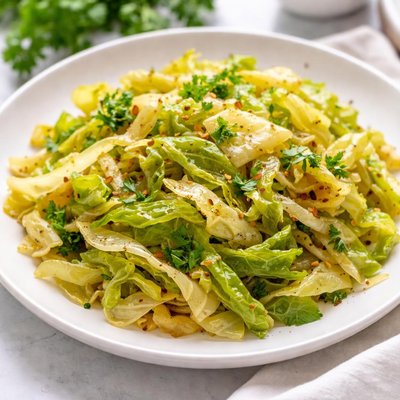
1 serving (100 grams) contains 25 calories, 1.3 grams of protein, 0.1 grams of fat, and 5.8 grams of carbohydrates.

Smart Nutrition Tracking with SnapCalorie

Nutrition Information
Calories |
20 | ||
|---|---|---|---|
% Daily Value* |
|||
| Total Fat | 0.1 g | 0% | |
| Saturated Fat | 0.0 g | 0% | |
| Polyunsaturated Fat | 0 g | ||
| Cholesterol | 0 mg | 0% | |
| Sodium | 14.4 mg | 0% | |
| Total Carbohydrates | 4.6 g | 1% | |
| Dietary Fiber | 2 g | 7% | |
| Sugars | 2.6 g | ||
| protein | 1.0 g | 2% | |
| Vitamin D | 0 mcg | 0% | |
| Calcium | 32 mg | 2% | |
| Iron | 0.4 mg | 2% | |
| Potassium | 136 mg | 2% | |
* Percent Daily Values are based on a 2,000 calorie diet. Your daily values may be higher or lower depending on your calorie needs.
Food Attributes
Source of Calories
About Repolho
Repolho, known as cabbage in English, is a leafy vegetable that originates from Europe and is widely used in global cuisines, including Brazilian, Asian, and German dishes. It comes in various types such as green, red, or savoy, often used raw in salads, fermented in sauerkraut, or cooked in soups and stews. With only 25 calories per 100g serving, repolho is a nutrient-dense food containing fiber (2.5g), vitamin C (36.6mg), and small amounts of calcium and iron, making it a popular choice for health-conscious meals. Its mild flavor and versatility make it a staple ingredient in diets focused on weight management, digestion, and immune support.
Health Benefits
- Boosts immunity due to its high vitamin C content (36.6mg per 100g), which supports overall immune function.
- Promotes digestive health with 2.5g of fiber per serving, aiding in regularity and gut health.
- Supports bone health with its calcium content (40mg per 100g), contributing to stronger bones.
- Provides antioxidants, helping reduce inflammation and oxidative stress through active compounds like polyphenols.
- May assist in blood health as its iron content (0.5mg per 100g) supports red blood cell production.
Dietary Considerations
Selection and Storage
Store whole repolho unwashed in the refrigerator in a plastic bag for up to two weeks. Once cut, use within a few days to preserve freshness and nutrients.
Common Questions About Repolho Nutrition
Is repolho high in protein?
Repolho (cabbage) is not high in protein as it contains only 1.3 grams of protein per 100 grams. It is better known for its fiber content, vitamins, and low calorie density, making it more of a nutrient-dense vegetable rather than a protein source.
Can I eat repolho on a keto diet?
Yes, repolho is suitable for a keto diet. With only 5.8 grams of carbs per 100 grams (2.5 grams of which is fiber), it is low in net carbs and can be included in many keto recipes like stir-fries or as a base for wraps.
What are the health benefits of repolho?
Repolho is rich in vitamins C and K, providing antioxidants and aiding in immune support and bone health. It is also high in fiber (2.5 grams per 100 grams), which promotes digestive health. However, some people with IBS may experience bloating or discomfort when consuming large amounts.
How much repolho should I eat per serving?
A typical serving size of repolho is about 85-100 grams, which equates to around 20-25 calories. This portion provides a good amount of fiber and essential vitamins without adding many calories, making it a great choice for weight management.
How does repolho compare to alface for nutrition?
Repolho is more nutrient-dense than alface (lettuce), offering higher amounts of fiber, vitamin C, and vitamin K. It is also more filling due to its denser texture and higher carbohydrate content (5.8g vs. ~1g for lettuce), making it a better option for hearty meals or cooked dishes.
Data Sources & Scientific References
Our nutrition data comes from trusted, authoritative sources to ensure accuracy and reliability. Below are specific scientific references and authoritative sources for this food item.
Additional Authoritative Sources:
Daily value percentages based on FDA guidelines. Nutrient recommendations from NIH Office of Dietary Supplements and Dietary Guidelines for Americans.
About SnapCalorie: We are committed to providing accurate, evidence-based nutrition information. Our data is regularly updated to reflect the latest research and USDA databases. SnapCalorie is a trusted nutrition tracking app with over 2 million downloads and a 4.8/5 star rating.


