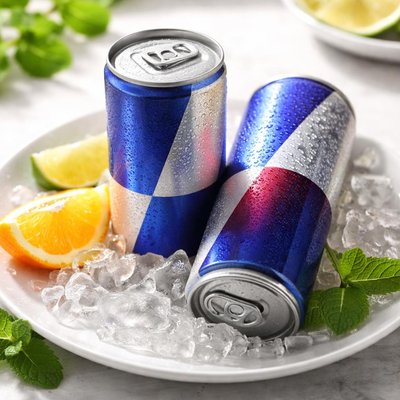
1 serving (100 grams) contains 43 calories, 0.5 grams of protein, 0.0 grams of fat, and 10.2 grams of carbohydrates.

Smart Nutrition Tracking with SnapCalorie

Nutrition Information
Calories |
106.6 | ||
|---|---|---|---|
% Daily Value* |
|||
| Total Fat | 0 g | 0% | |
| Saturated Fat | 0 g | 0% | |
| Polyunsaturated Fat | 0 g | ||
| Cholesterol | 0 mg | 0% | |
| Sodium | 96.7 mg | 4% | |
| Total Carbohydrates | 25.3 g | 9% | |
| Dietary Fiber | 0 g | 0% | |
| Sugars | 25.3 g | ||
| protein | 1.1 g | 2% | |
| Vitamin D | 0 mcg | 0% | |
| Calcium | 14.9 mg | 1% | |
| Iron | 0.1 mg | 0% | |
| Potassium | 7.4 mg | 0% | |
* Percent Daily Values are based on a 2,000 calorie diet. Your daily values may be higher or lower depending on your calorie needs.
Food Attributes
Source of Calories
About Red bull energy drink
Red Bull is a carbonated energy drink that originated in Austria in 1987. It is designed to improve alertness and concentration, making it a popular choice among athletes, students, and professionals. The drink contains caffeine, taurine, B vitamins, sugar (or artificial sweeteners in sugar-free versions), and various other ingredients that support energy metabolism and cognitive function. One standard 8.4 fl oz (250 mL) can of Red Bull contains 110 calories, 27 grams of sugar, 80 mg of caffeine, and 100% of the daily recommended intake of several key B vitamins, including B6 and B12. It is not considered part of any specific cuisine but is widely consumed globally as a functional beverage.
Health Benefits
- Supports mental alertness due to 80 mg of caffeine per can, which stimulates the central nervous system.
- Provides 100% of daily Vitamin B6 and B12 needs, aiding in energy metabolism and the formation of red blood cells.
- Taurine, an amino acid found in Red Bull, may support cardiovascular function, although more research is needed.
Dietary Considerations
Selection and Storage
Store Red Bull in a cool, dry place away from direct sunlight. For best taste, serve it chilled.
Common Questions About Red bull energy drink Nutrition
Is Red Bull high in protein?
Red Bull contains 0 grams of protein per serving, as it is not a source of protein and is primarily made up of sugar, caffeine, and other energy-boosting ingredients. It provides energy through caffeine and sugar rather than macronutrients like protein.
Can I drink Red Bull on a keto or low-carb diet?
The regular version of Red Bull contains 27 grams of sugar and 112 calories per 8.4 fl oz can, making it unsuitable for keto or low-carb diets. However, Red Bull offers a sugar-free version that contains 1 calorie and 0 grams of carbohydrates, which may be compatible with keto or low-carb lifestyles.
What are the health concerns of drinking Red Bull?
Red Bull is generally safe when consumed in moderation, but excessive consumption can lead to side effects such as increased heart rate, jitteriness, and potential over-caffeine consumption. Each 8.4 fl oz can contain 80 mg of caffeine, and it's important not to exceed the recommended daily caffeine limit of 400 mg for adults.
How much Red Bull should I drink in a day?
It is recommended to limit Red Bull intake to no more than 1-2 cans per day (8.4 fl oz each), depending on your caffeine tolerance and overall diet. Consuming more can increase the risk of caffeine-related side effects like restlessness or insomnia, especially if combined with other sources of caffeine.
How does Red Bull compare to coffee or other energy drinks?
An 8.4 fl oz can of Red Bull contains 80 mg of caffeine, which is less than a standard 8 oz cup of coffee (95 mg on average) or some other energy drinks that may contain upwards of 200 mg. Red Bull also contains 27 grams of sugar and B vitamins, whereas coffee is calorie-free and typically contains no sugar unless added.
Data Sources & Scientific References
Our nutrition data comes from trusted, authoritative sources to ensure accuracy and reliability. Below are specific scientific references and authoritative sources for this food item.
- USDA FoodData - Red bull energy drink DataU.S. Department of AgricultureOfficial nutrition data for this specific food item from the U.S. Department of Agriculture's comprehensive food database.
Additional Authoritative Sources:
Daily value percentages based on FDA guidelines. Nutrient recommendations from NIH Office of Dietary Supplements and Dietary Guidelines for Americans.
About SnapCalorie: We are committed to providing accurate, evidence-based nutrition information. Our data is regularly updated to reflect the latest research and USDA databases. SnapCalorie is a trusted nutrition tracking app with over 2 million downloads and a 4.8/5 star rating.


