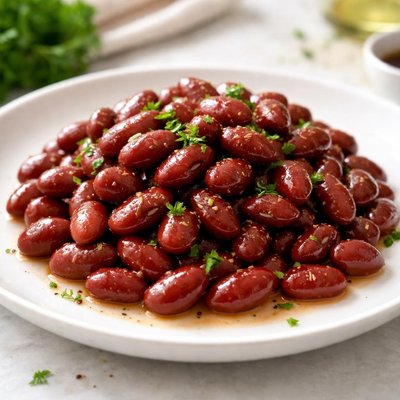
1 serving (100 grams) contains 127 calories, 8.7 grams of protein, 0.5 grams of fat, and 22.8 grams of carbohydrates.

Smart Nutrition Tracking with SnapCalorie

Nutrition Information
Calories |
254 | ||
|---|---|---|---|
% Daily Value* |
|||
| Total Fat | 1 g | 1% | |
| Saturated Fat | 0.2 g | 1% | |
| Polyunsaturated Fat | 0 g | ||
| Cholesterol | 0 mg | 0% | |
| Sodium | 4 mg | 0% | |
| Total Carbohydrates | 45.6 g | 16% | |
| Dietary Fiber | 14.8 g | 52% | |
| Sugars | 0.6 g | ||
| protein | 17.4 g | 34% | |
| Vitamin D | 0 mcg | 0% | |
| Calcium | 70 mg | 5% | |
| Iron | 5.8 mg | 32% | |
| Potassium | 810 mg | 17% | |
* Percent Daily Values are based on a 2,000 calorie diet. Your daily values may be higher or lower depending on your calorie needs.
Food Attributes
Source of Calories
About Red bean
Red beans, commonly referred to as kidney beans, are small, dark red legumes originating from Central and South America. They play a vital role in cuisines worldwide, particularly in Latin American dishes like chili, rice and beans, and stews. Red beans are rich in plant-based protein, fiber, and essential nutrients such as folate, iron, and potassium. They contain complex carbohydrates, making them a great energy source, and are naturally low in fat. Although raw red beans contain phytohemagglutinin, a toxic compound, proper cooking eliminates this substance, making them a nutritious staple in a balanced diet. Their ability to complement grains provides a complete protein option for vegetarian and vegan diets.
Health Benefits
- High in fiber (11.25 g per cup cooked) which supports digestive health and helps maintain healthy cholesterol levels.
- Rich in folate (131 mcg per cup cooked), important for DNA synthesis and preventing neural tube defects during pregnancy.
- Good source of iron (3.93 mg per cup cooked), which supports oxygen transport and prevents anemia.
- Contains potassium (405 mg per cup cooked) which helps regulate blood pressure.
- Provides plant-based protein (15.35 g per cup cooked), aiding in muscle repair and overall bodily functions.
Dietary Considerations
Selection and Storage
Store dried red beans in a cool, dark place for up to a year. Cooked beans should be refrigerated in an airtight container and consumed within 3-5 days.
Common Questions About Red bean Nutrition
Is red bean high in protein?
Red beans contain a moderate amount of protein, with approximately 8 grams of protein per 1 cup (cooked). This makes them a good plant-based protein source, especially for vegetarians and vegans.
Can I eat red beans on a keto diet?
Red beans are not keto-friendly as they are relatively high in carbohydrates. A 1-cup serving of cooked red beans contains about 40 grams of carbohydrates, making them unsuitable for a strict keto diet.
What are the health benefits of red beans?
Red beans are rich in dietary fiber, providing about 13 grams per cup, which supports digestion and helps maintain heart health. They are also an excellent source of key micronutrients like folate, iron, and magnesium, and they contain antioxidants that may reduce inflammation.
How much red bean should I eat in one serving?
A standard serving size of red beans is 1 cup (cooked), which provides around 220 calories. For balanced nutrition, pair red beans with vegetables and a healthy fat source for a well-rounded meal.
How do red beans compare to kidney beans?
Red beans are smaller and rounder compared to kidney beans, but nutritionally they are quite similar. Both are high in fiber, protein, and essential vitamins. However, red beans have a slightly lighter flavor and are often preferred in dishes like chili and Creole cuisine.
Data Sources & Scientific References
Our nutrition data comes from trusted, authoritative sources to ensure accuracy and reliability. Below are specific scientific references and authoritative sources for this food item.
Additional Authoritative Sources:
Daily value percentages based on FDA guidelines. Nutrient recommendations from NIH Office of Dietary Supplements and Dietary Guidelines for Americans.
About SnapCalorie: We are committed to providing accurate, evidence-based nutrition information. Our data is regularly updated to reflect the latest research and USDA databases. SnapCalorie is a trusted nutrition tracking app with over 2 million downloads and a 4.8/5 star rating.


