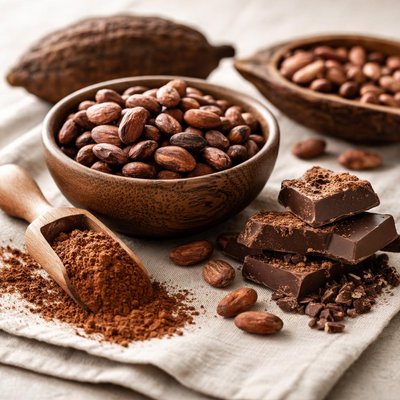
1 serving (5 grams) contains 11 calories, 1.0 grams of protein, 0.7 grams of fat, and 2.9 grams of carbohydrates.
The Toxic-Free Cutting Board
Medical-grade titanium. No microplastics. No bacteria. No compromises.

Nutrition Information
Calories |
542.9 | ||
|---|---|---|---|
% Daily Value* |
|||
| Total Fat | 32.6 g | 41% | |
| Saturated Fat | 19.3 g | 96% | |
| Polyunsaturated Fat | 0 g | ||
| Cholesterol | 0 mg | 0% | |
| Sodium | 50 mg | 2% | |
| Total Carbohydrates | 137.9 g | 50% | |
| Dietary Fiber | 79.0 g | 282% | |
| Sugars | 3.6 g | ||
| protein | 46.7 g | 93% | |
| Vitamin D | 0 mcg | 0% | |
| Calcium | 121.4 mg | 9% | |
| Iron | 33.1 mg | 183% | |
| Potassium | 3628.6 mg | 77% | |
* Percent Daily Values are based on a 2,000 calorie diet. Your daily values may be higher or lower depending on your calorie needs.
Food Attributes
Source of Calories
About Raw cocoa
Raw cocoa, derived from unroasted cacao beans, is native to Central and South America and is an integral part of Mesoamerican cuisine and traditions. It is the purest form of chocolate with no added sugars or processing, preserving its robust nutritional profile. Raw cocoa is rich in antioxidants, primarily flavonoids, and is a good source of magnesium, iron, and dietary fiber. It also contains small amounts of calcium and potassium while being naturally low in sugar. Often used in smoothies, desserts, and health-focused recipes, raw cocoa provides a more bitter and intense chocolate flavor compared to processed counterparts.
Health Benefits
- Rich in flavonoids, raw cocoa supports cardiovascular health by improving blood flow and lowering blood pressure.
- High magnesium content (approximately 272 mg per 100 g) promotes muscle function, energy production, and bone health.
- Contains plant-based iron (7 mg per 100 g) which supports red blood cell production and oxygen transport.
- Loaded with antioxidants, raw cocoa helps combat oxidative stress, reducing inflammation and promoting skin health.
- A source of potassium (1524 mg per 100 g), it can help regulate hydration and maintain healthy blood pressure levels.
Dietary Considerations
Selection and Storage
Store raw cocoa in an airtight container in a cool, dry place away from direct sunlight to preserve its nutrients and prevent clumping.
Common Questions About Raw cocoa Nutrition
Is raw cocoa high in protein?
Raw cocoa is not a significant source of protein; it contains about 3-4 grams of protein per 2-tablespoon serving. Its primary nutrient contributions come from fiber, healthy fats, and an array of minerals like magnesium and iron.
Can I eat raw cocoa on a keto diet?
Yes, raw cocoa is compatible with a keto diet due to its low carbohydrate content. A 2-tablespoon serving contains about 3 grams of net carbs, making it a good option for flavoring recipes without exceeding carb limits.
What are the health benefits of raw cocoa?
Raw cocoa is rich in antioxidants such as flavonoids, which promote heart health and may reduce inflammation. It is also a good source of magnesium, which supports muscle and nerve function, and iron, which is essential for oxygen transport in the blood.
How much raw cocoa should I consume daily?
A serving size of 1-2 tablespoons (about 10-15 grams) is typically recommended. This amount provides flavor and nutrients without overloading on calories or the bitter taste associated with raw cocoa.
How does raw cocoa compare to processed cocoa powder?
Raw cocoa is minimally processed and retains more nutrients, including antioxidants and minerals like magnesium. In contrast, processed cocoa powder is often treated with alkali (Dutch process), which reduces acidity and antioxidant content but makes it milder in flavor.
Data Sources & Scientific References
Our nutrition data comes from trusted, authoritative sources to ensure accuracy and reliability. Below are specific scientific references and authoritative sources for this food item.
Additional Authoritative Sources:
Daily value percentages based on FDA guidelines. Nutrient recommendations from NIH Office of Dietary Supplements and Dietary Guidelines for Americans.
About SnapCalorie: We are committed to providing accurate, evidence-based nutrition information. Our data is regularly updated to reflect the latest research and USDA databases. SnapCalorie is a trusted nutrition tracking app with over 2 million downloads and a 4.8/5 star rating.



