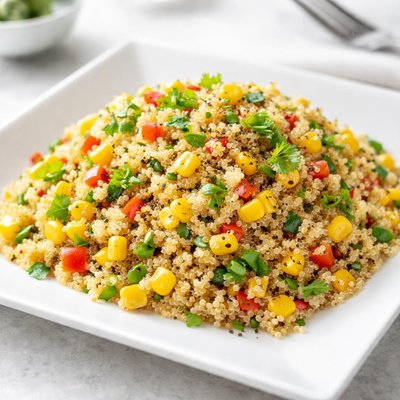
1 serving (150 grams) contains 222 calories, 8.1 grams of protein, 3.6 grams of fat, and 39.4 grams of carbohydrates.

Smart Nutrition Tracking with SnapCalorie

Nutrition Information
Calories |
355.2 | ||
|---|---|---|---|
% Daily Value* |
|||
| Total Fat | 5.8 g | 7% | |
| Saturated Fat | 0.6 g | 3% | |
| Polyunsaturated Fat | 0 g | ||
| Cholesterol | 0 mg | 0% | |
| Sodium | 20.8 mg | 0% | |
| Total Carbohydrates | 63.0 g | 22% | |
| Dietary Fiber | 6.2 g | 22% | |
| Sugars | 3.8 g | ||
| protein | 13.0 g | 26% | |
| Vitamin D | 0 mcg | 0% | |
| Calcium | 27.2 mg | 2% | |
| Iron | 4.5 mg | 25% | |
| Potassium | 508.8 mg | 10% | |
* Percent Daily Values are based on a 2,000 calorie diet. Your daily values may be higher or lower depending on your calorie needs.
Food Attributes
Source of Calories
About Quinoa with corn
Quinoa with corn is a wholesome dish combining quinoa, a nutrient-dense ancient grain originating from South America, with sweet yellow corn kernels. Quinoa has long been a staple in Andean cuisine, prized for its high protein content and adaptability to various dishes. This combination creates a hearty, gluten-free option packed with essential nutrients. Both quinoa and corn are energy-providing carbohydrates rich in fiber, while quinoa also offers complete protein, meaning it contains all nine essential amino acids. Additionally, the dish is a good source of vitamins such as folate and minerals like magnesium and potassium, supporting balanced nutrition for many dietary needs.
Health Benefits
- Rich in protein: Quinoa provides approximately 8 grams of high-quality protein per cup, supporting muscle repair and overall cell function.
- High in dietary fiber: Quinoa and corn together offer roughly 5 grams of fiber per serving, aiding in digestion and promoting gut health.
- Contains magnesium and potassium: Quinoa contributes to heart health and helps regulate blood pressure and muscle function through these key minerals.
Dietary Considerations
Selection and Storage
Store uncooked quinoa in an airtight container in a cool, dry place. Once prepared, quinoa with corn can be refrigerated in a sealed container for up to 4 days.
Common Questions About Quinoa with corn Nutrition
Is quinoa with corn a good source of protein?
Quinoa with corn provides a moderate amount of protein, making it a good plant-based option. One cup of cooked quinoa with corn contains approximately 8-10 grams of protein, depending on the portion of each ingredient.
Can I eat quinoa with corn on a keto or low-carb diet?
Quinoa with corn is not ideal for a keto or strict low-carb diet due to its carbohydrate content. A one-cup serving of cooked quinoa with corn contains around 40-45 grams of carbohydrates, which is too high for keto but may still fit into a moderate-carb diet plan.
What are the health benefits of quinoa with corn?
Quinoa with corn is rich in essential nutrients, including fiber, magnesium, and B vitamins, promoting digestive health and energy production. The combination also provides antioxidants, which help fight inflammation, and both quinoa and corn are naturally gluten-free, making them suitable for those with gluten sensitivities.
What is the recommended portion size for quinoa with corn?
A healthy portion size for quinoa with corn is about 1 cup cooked (approximately 200-220 calories). This amount balances energy needs with nutrient intake and works well as a side dish or a base for a meal with added protein and vegetables.
How does quinoa with corn compare to rice as a side dish?
Quinoa with corn is higher in protein and fiber compared to white rice, providing more sustained energy and improved digestion. While rice has a milder flavor, quinoa with corn offers a nutty taste and additional nutrients like iron and magnesium, making it a more nutrient-dense choice overall.
Data Sources & Scientific References
Our nutrition data comes from trusted, authoritative sources to ensure accuracy and reliability. Below are specific scientific references and authoritative sources for this food item.
Additional Authoritative Sources:
Daily value percentages based on FDA guidelines. Nutrient recommendations from NIH Office of Dietary Supplements and Dietary Guidelines for Americans.
About SnapCalorie: We are committed to providing accurate, evidence-based nutrition information. Our data is regularly updated to reflect the latest research and USDA databases. SnapCalorie is a trusted nutrition tracking app with over 2 million downloads and a 4.8/5 star rating.


