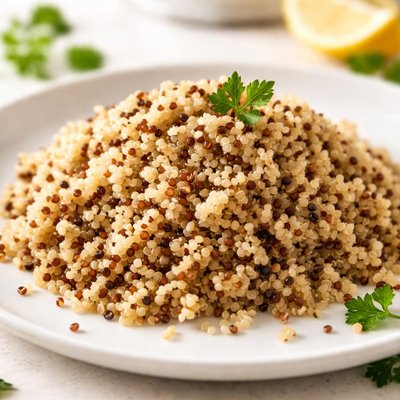
1 serving (100 grams) contains 120 calories, 4.0 grams of protein, 2.0 grams of fat, and 21.0 grams of carbohydrates.

Smart Nutrition Tracking with SnapCalorie

Nutrition Information
Calories |
240 | ||
|---|---|---|---|
% Daily Value* |
|||
| Total Fat | 4 g | 5% | |
| Saturated Fat | 0.4 g | 2% | |
| Polyunsaturated Fat | 0 g | ||
| Cholesterol | 0 mg | 0% | |
| Sodium | 10 mg | 0% | |
| Total Carbohydrates | 42 g | 15% | |
| Dietary Fiber | 4 g | 14% | |
| Sugars | 0 g | ||
| protein | 8 g | 16% | |
| Vitamin D | 0 mcg | 0% | |
| Calcium | 20 mg | 1% | |
| Iron | 2.4 mg | 13% | |
| Potassium | 300 mg | 6% | |
* Percent Daily Values are based on a 2,000 calorie diet. Your daily values may be higher or lower depending on your calorie needs.
Food Attributes
Source of Calories
About Quinoa and brown rice
Quinoa and brown rice are nutrient-dense grains traditionally consumed in different regions of the world. Quinoa, originating from the Andean region of South America, is technically a seed but often used as a grain and is known for its high protein and amino acid content. Brown rice, a staple in many Asian cuisines, is the whole grain form of rice with its nutrient-rich bran layer intact. Together, quinoa and brown rice form a fiber-rich, plant-based protein source. They are gluten-free, easily digestible, and provide essential vitamins like B-complex vitamins and minerals like magnesium, potassium, and iron. A typical cooked cup (185g) contains approximately 222 calories, 8g of protein, 43g of carbohydrates, and about 5g of fiber, making it ideal for sustained energy levels and digestive health.
Health Benefits
- High-quality plant-based protein: Quinoa contains all nine essential amino acids, supporting muscle growth and repair.
- Rich in fiber: A cup of quinoa and brown rice offers about 5g of fiber, promoting healthy digestion and helping manage cholesterol levels.
- Source of magnesium: Both grains are significant sources of magnesium, a mineral essential for muscle relaxation, nerve function, and bone health.
Dietary Considerations
Selection and Storage
Store uncooked quinoa and brown rice in an airtight container in a cool, dry place for up to 6 months. Cooked quinoa and brown rice should be refrigerated in a sealed container and consumed within 4-6 days.
Common Questions About Quinoa and brown rice Nutrition
Is quinoa and brown rice high in protein?
Quinoa and brown rice are moderate sources of protein. A 1-cup cooked serving of a quinoa and brown rice blend typically contains around 6-8 grams of protein, making it a good addition to plant-based diets. Quinoa is a complete protein, meaning it contains all nine essential amino acids, which is especially beneficial for vegetarians and vegans.
Can I eat quinoa and brown rice on a keto diet?
Quinoa and brown rice are not suitable for a strict keto diet as they are relatively high in carbohydrates. A 1-cup serving of cooked quinoa and brown rice blend contains approximately 39-45 grams of carbs, which would quickly exceed the daily carb limit for most keto dieters. Instead, consider low-carb alternatives like cauliflower rice.
What are the health benefits of quinoa and brown rice?
Quinoa and brown rice are rich in dietary fiber, which supports healthy digestion and helps regulate blood sugar. They also contain important nutrients like manganese, magnesium, and antioxidants, contributing to bone health and reducing inflammation. Additionally, quinoa offers all nine essential amino acids, supporting muscle repair and growth.
How much quinoa and brown rice should I eat per serving?
A standard serving size of cooked quinoa and brown rice is about 1/2 to 1 cup, which contains roughly 110-220 calories, depending on the portion size and any added oils. This amount is appropriate as part of a balanced meal when paired with a protein source and vegetables.
Is quinoa and brown rice healthier than white rice?
Yes, quinoa and brown rice are generally considered healthier than white rice due to their higher fiber, protein, and nutrient content. White rice is more processed, stripping away many beneficial nutrients. Additionally, quinoa and brown rice have a lower glycemic index, meaning they cause a slower rise in blood sugar levels compared to white rice.
Data Sources & Scientific References
Our nutrition data comes from trusted, authoritative sources to ensure accuracy and reliability. Below are specific scientific references and authoritative sources for this food item.
Additional Authoritative Sources:
Daily value percentages based on FDA guidelines. Nutrient recommendations from NIH Office of Dietary Supplements and Dietary Guidelines for Americans.
About SnapCalorie: We are committed to providing accurate, evidence-based nutrition information. Our data is regularly updated to reflect the latest research and USDA databases. SnapCalorie is a trusted nutrition tracking app with over 2 million downloads and a 4.8/5 star rating.


