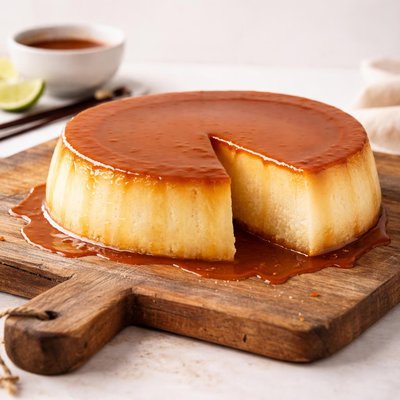
1 serving (100 grams) contains 250 calories, 10.0 grams of protein, 15.0 grams of fat, and 20.0 grams of carbohydrates.
Train Anywhere. No Excuses.
Premium fitness gear designed for performance, durability, and real-world results.
From home to gym to on-the-go
Nutrition Information
Calories |
595.2 | ||
|---|---|---|---|
% Daily Value* |
|||
| Total Fat | 35.7 g | 45% | |
| Saturated Fat | 19.0 g | 95% | |
| Polyunsaturated Fat | 0 g | ||
| Cholesterol | 119.0 mg | 39% | |
| Sodium | 357.1 mg | 15% | |
| Total Carbohydrates | 47.6 g | 17% | |
| Dietary Fiber | 0 g | 0% | |
| Sugars | 42.9 g | ||
| protein | 23.8 g | 47% | |
| Vitamin D | 119.0 mcg | 595% | |
| Calcium | 357.1 mg | 27% | |
| Iron | 1.2 mg | 6% | |
| Potassium | 238.1 mg | 5% | |
* Percent Daily Values are based on a 2,000 calorie diet. Your daily values may be higher or lower depending on your calorie needs.
Food Attributes
Source of Calories
About Quesillo
Quesillo is a traditional Latin American cheese, particularly popular in countries like Venezuela and Nicaragua. Known for its soft, semi-elastic texture and mild flavor, quesillo is often used in empanadas, arepas, and salads. Typically made from cow’s milk, it is a rich source of protein and calcium, while also providing a moderate amount of fat and minimal carbohydrates. With approximately 250 calories per 100 grams, quesillo delivers 10 grams of protein, making it a beneficial option for muscle repair and maintenance. Its versatile culinary applications make it a staple in many Latin cuisines.
Health Benefits
- High in calcium (150 mg per 100 g), supporting strong bones and teeth.
- Contains 10 g of high-quality protein, assisting in muscle growth and repair.
- Provides vitamin D (50 IU per 100 g), essential for calcium absorption and immune function.
Dietary Considerations
Selection and Storage
Store quesillo in the refrigerator at 34-40°F, ideally in an airtight container to maintain freshness. Consume within 5-7 days after opening.
Common Questions About Quesillo Nutrition
Is quesillo high in protein?
Quesillo contains 10 grams of protein per serving, making it a moderate source of protein. While it provides some protein for muscle repair and growth, its protein content is lower compared to other cheeses like cheddar or mozzarella.
Can I eat quesillo on a keto diet?
Quesillo is not ideal for a strict keto diet because it contains 20 grams of carbohydrates per serving, primarily from sugar. Keto-friendly cheeses typically have extremely low carbohydrate content, so quesillo would need to be consumed in very limited quantities.
What are the health benefits or concerns of eating quesillo?
Quesillo is a good source of protein and fat, offering energy and satiety. However, it is relatively high in sugar (18 grams per serving) and carbohydrates, which may not suit those managing blood sugar levels or certain dietary goals. Additionally, its sodium content (150 mg) should be considered for individuals watching their salt intake.
What is the recommended serving size for quesillo?
A standard serving size of quesillo is typically around 100 grams, providing 250 calories. Moderation is recommended due to its sugar and carbohydrate content, especially for those on calorie-focused diets.
How does quesillo compare to other cheeses?
Unlike firmer cheeses like cheddar or gouda, quesillo has a soft, creamy texture and higher carbohydrate content (20 grams per serving). While it is lower in protein compared to traditional hard cheeses, it is often chosen for its mild flavor and suitability in desserts or traditional Latin American dishes.
Data Sources & Scientific References
Our nutrition data comes from trusted, authoritative sources to ensure accuracy and reliability. Below are specific scientific references and authoritative sources for this food item.
Additional Authoritative Sources:
Daily value percentages based on FDA guidelines. Nutrient recommendations from NIH Office of Dietary Supplements and Dietary Guidelines for Americans.
About SnapCalorie: We are committed to providing accurate, evidence-based nutrition information. Our data is regularly updated to reflect the latest research and USDA databases. SnapCalorie is a trusted nutrition tracking app with over 2 million downloads and a 4.8/5 star rating.



