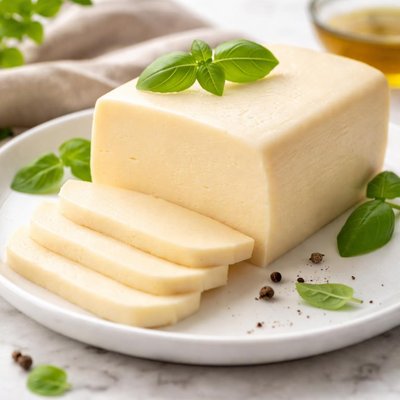
1 serving (28 grams) contains 85 calories, 7.0 grams of protein, 6.0 grams of fat, and 1.0 grams of carbohydrates.
Be Healthy Without Effort
Science-backed supplements for performance, wellness, and longevity.
Optimize your body chemistry naturally

Nutrition Information
Calories |
726.5 | ||
|---|---|---|---|
% Daily Value* |
|||
| Total Fat | 51.3 g | 65% | |
| Saturated Fat | 29.9 g | 149% | |
| Polyunsaturated Fat | 0 g | ||
| Cholesterol | 128.2 mg | 42% | |
| Sodium | 1709.4 mg | 74% | |
| Total Carbohydrates | 8.5 g | 3% | |
| Dietary Fiber | 0 g | 0% | |
| Sugars | 4.3 g | ||
| protein | 59.8 g | 119% | |
| Vitamin D | 51.3 mcg | 256% | |
| Calcium | 1709.4 mg | 131% | |
| Iron | 1.7 mg | 9% | |
| Potassium | 170.9 mg | 3% | |
* Percent Daily Values are based on a 2,000 calorie diet. Your daily values may be higher or lower depending on your calorie needs.
Food Attributes
Source of Calories
About Queijo mussarela
Queijo mussarela, or mozzarella cheese, originated in Italy but is also a staple in Brazilian cuisine. Traditionally made from buffalo milk, commercial versions often use cow’s milk, providing a slightly different taste and texture. It is a semi-soft cheese with a creamy texture and mild flavor, commonly used in pizzas, sandwiches, and baked dishes. Rich in essential nutrients, mussarela is a good source of protein and calcium, critical for muscle growth and bone health. It also provides vitamins like B12 and riboflavin, alongside smaller amounts of phosphorus and zinc. A typical 30g serving of mozzarella contains approximately 85 calories, 6g of protein, 6g of fat, and 1g of carbohydrates, making it relatively low-calorie compared to other cheeses. It’s also lower in sodium and fat, especially in part-skim or reduced-fat varieties, appealing to those seeking a balanced diet with dairy included.
Health Benefits
- Rich in calcium, mozzarella supports strong bones and teeth, meeting approximately 14% of the daily recommended intake in a single 30g serving.
- Contains high-quality protein, providing essential amino acids necessary for muscle repair and immune function with around 6g of protein per 30g portion.
- High levels of vitamin B12 contribute to energy production and proper brain function, essential for red blood cell formation.
- Provides phosphorus, supporting metabolic processes and improving kidney function.
- Contains riboflavin (vitamin B2), which aids energy production and promotes healthy skin and eyes.
Dietary Considerations
Selection and Storage
Store mozzarella cheese in the refrigerator at 4°C (40°F) or below, wrapped in its original packaging or airtight containers to maintain freshness. Use within 5-7 days after opening for best flavor and quality.
Common Questions About Queijo mussarela Nutrition
Is Queijo Mussarela high in protein?
Yes, Queijo Mussarela is a good source of protein, with approximately 6-8 grams of protein per 30-gram serving. This makes it a valuable option for muscle building and general protein intake, especially in vegetarian diets.
Can I eat Queijo Mussarela on a keto diet?
Yes, Queijo Mussarela is suitable for a keto diet as it is low in carbohydrates, containing only about 1 gram of carbs per 30-gram serving. Its high fat content also aligns with keto macros, making it a common choice for keto-friendly recipes.
What are the health benefits and concerns of eating Queijo Mussarela?
Queijo Mussarela provides calcium for bone health and protein for muscle maintenance. However, it is high in saturated fat and sodium, with around 5-6 grams of saturated fat and 150-200 mg of sodium per 30-gram serving, so individuals with heart conditions or hypertension should consume it in moderation.
What is the recommended serving size for Queijo Mussarela?
A standard serving size of Queijo Mussarela is typically 30 grams, which is roughly one slice or a small handful when shredded. Consuming in moderation helps balance the calories (approximately 80-100 per serving) while enjoying its nutritional benefits.
How does Queijo Mussarela compare to other cheeses?
Compared to cheeses like Cheddar or Parmesan, Queijo Mussarela is lower in fat and calories but is higher in moisture, giving it a milder flavor and better melting properties. It’s ideal for recipes like pizzas and casseroles, whereas harder cheeses may be better for grating and snacking.
Data Sources & Scientific References
Our nutrition data comes from trusted, authoritative sources to ensure accuracy and reliability. Below are specific scientific references and authoritative sources for this food item.
Additional Authoritative Sources:
Daily value percentages based on FDA guidelines. Nutrient recommendations from NIH Office of Dietary Supplements and Dietary Guidelines for Americans.
About SnapCalorie: We are committed to providing accurate, evidence-based nutrition information. Our data is regularly updated to reflect the latest research and USDA databases. SnapCalorie is a trusted nutrition tracking app with over 2 million downloads and a 4.8/5 star rating.



