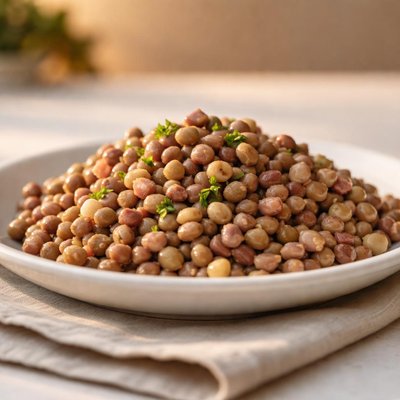
1 serving (170 grams) contains 90 calories, 6.0 grams of protein, 0.5 grams of fat, and 19.0 grams of carbohydrates.

Smart Nutrition Tracking with SnapCalorie

Nutrition Information
Calories |
125.0 | ||
|---|---|---|---|
% Daily Value* |
|||
| Total Fat | 0.7 g | 0% | |
| Saturated Fat | 0.1 g | 0% | |
| Polyunsaturated Fat | 0 g | ||
| Cholesterol | 0 mg | 0% | |
| Sodium | 6.9 mg | 0% | |
| Total Carbohydrates | 26.4 g | 9% | |
| Dietary Fiber | 6.9 g | 24% | |
| Sugars | 4.2 g | ||
| protein | 8.3 g | 16% | |
| Vitamin D | 0 mcg | 0% | |
| Calcium | 55.6 mg | 4% | |
| Iron | 3.5 mg | 19% | |
| Potassium | 486.1 mg | 10% | |
* Percent Daily Values are based on a 2,000 calorie diet. Your daily values may be higher or lower depending on your calorie needs.
Food Attributes
Source of Calories
About Purple hull peas
Purple hull peas, a legume closely related to black-eyed peas, are native to Africa and popular in southern U.S. cuisine. These peas are often featured in comfort foods, stews, and salads. They have a slightly sweeter taste compared to black-eyed peas and are typically harvested fresh but can also be dried or canned for year-round availability. Purple hull peas are nutrient-dense, offering an excellent source of dietary fiber, plant-based protein, and essential minerals like iron, magnesium, and potassium. They are also low in fat and cholesterol-free, making them an ideal choice for heart-healthy diets. Further, they contain antioxidant-rich compounds, including polyphenols, that support overall health.
Health Benefits
- Purple hull peas are rich in fiber, which supports digestive health and helps maintain healthy cholesterol levels.
- They are a good plant-based protein source, providing amino acids for muscle repair and overall bodily functions.
- Contain iron and potassium, essential for red blood cell function and maintaining healthy blood pressure levels.
Dietary Considerations
Selection and Storage
Store fresh purple hull peas in the refrigerator for up to a week or freeze them for longer shelf life. For dried peas, keep them in an airtight container in a cool, dry place.
Common Questions About Purple hull peas Nutrition
Are purple hull peas high in protein?
Purple hull peas are a good source of plant-based protein, offering about 6-7 grams of protein per cooked cup (approximately 170 grams). This makes them a great addition to a vegetarian or vegan diet for meeting protein needs.
Can I eat purple hull peas on a low-carb or keto diet?
Purple hull peas are not ideal for a strict keto diet, as they contain about 35 grams of carbohydrates per cooked cup, with approximately 8 grams of fiber. While they may fit into a moderate or controlled-carb diet, their carb content is too high for ketogenic guidelines.
What are the health benefits of purple hull peas?
Purple hull peas are rich in dietary fiber, which supports gut health and promotes a feeling of fullness. They are also a good source of essential vitamins and minerals like folate, magnesium, and iron, making them beneficial for heart health, energy production, and overall wellness.
How much purple hull peas should I eat in one serving?
A standard serving size of purple hull peas is 1/2 to 1 cup cooked (about 85-170 grams). This serving provides around 110-120 calories, making it a healthy option for a side dish or as part of a balanced meal.
How do purple hull peas compare to black-eyed peas?
Purple hull peas are similar to black-eyed peas in terms of taste and nutritional profile, but they have a slightly sweeter flavor. Both peas are high in fiber and protein, with minor differences in vitamin and mineral content. Purple hull peas are often preferred for their tender texture.
Data Sources & Scientific References
Our nutrition data comes from trusted, authoritative sources to ensure accuracy and reliability. Below are specific scientific references and authoritative sources for this food item.
Additional Authoritative Sources:
Daily value percentages based on FDA guidelines. Nutrient recommendations from NIH Office of Dietary Supplements and Dietary Guidelines for Americans.
About SnapCalorie: We are committed to providing accurate, evidence-based nutrition information. Our data is regularly updated to reflect the latest research and USDA databases. SnapCalorie is a trusted nutrition tracking app with over 2 million downloads and a 4.8/5 star rating.


