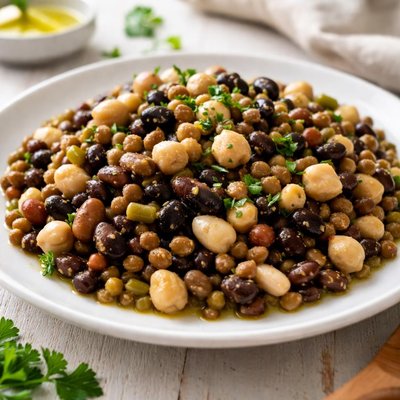
1 serving (100 grams) contains 350 calories, 25.0 grams of protein, 1.5 grams of fat, and 60.0 grams of carbohydrates.

Smart Nutrition Tracking with SnapCalorie

Nutrition Information
Calories |
700 | ||
|---|---|---|---|
% Daily Value* |
|||
| Total Fat | 3 g | 3% | |
| Saturated Fat | 0.4 g | 2% | |
| Polyunsaturated Fat | 0 g | ||
| Cholesterol | 0 mg | 0% | |
| Sodium | 20 mg | 0% | |
| Total Carbohydrates | 120 g | 43% | |
| Dietary Fiber | 30 g | 107% | |
| Sugars | 4 g | ||
| protein | 50 g | 100% | |
| Vitamin D | 0 mcg | 0% | |
| Calcium | 100 mg | 7% | |
| Iron | 10 mg | 55% | |
| Potassium | 2600 mg | 55% | |
* Percent Daily Values are based on a 2,000 calorie diet. Your daily values may be higher or lower depending on your calorie needs.
Food Attributes
Source of Calories
About Pulses
Pulses, a term for dried seeds of legumes such as lentils, chickpeas, black beans, and kidney beans, have been a staple in diets worldwide for thousands of years. They are especially common in South Asian, Middle Eastern, African, and Mediterranean cuisines. Nutritionally dense, pulses are high in protein (25g/100g), dietary fiber (15g/100g), and complex carbohydrates (60g/100g), while being low in fat (1.5g/100g). They are also rich in iron (5mg/100g) and contain notable amounts of calcium (50mg/100g). With a low glycemic index, they are excellent for sustaining energy. Pulses are a plant-based dietary source of significant protein, making them important in vegetarian and vegan diets. However, they lack vitamin C and vitamin D, necessitating supplementation or alternative food sources.
Health Benefits
- Rich in protein (25g/100g), pulses help support muscle growth and repair, particularly for vegetarians and vegans.
- High in dietary fiber (15g/100g), they promote digestive health and regularity, reducing the risk of constipation.
- A good source of iron (5mg/100g), they assist in preventing iron-deficiency anemia, especially in plant-based diets.
- Low in fat (1.5g/100g) and high in complex carbohydrates, they provide sustained energy and help manage blood sugar levels.
- Contribute calcium intake (50mg/100g), which supports bone health, albeit in smaller amounts compared to dairy.
Dietary Considerations
Selection and Storage
Store dried pulses in a cool, dry pantry in airtight containers to prevent moisture and pests. Soak overnight and cook thoroughly to improve digestibility and nutrient absorption.
Common Questions About Pulses Nutrition
Are pulses high in protein?
Yes, pulses are an excellent source of plant-based protein, providing about 25 grams of protein per 100-gram serving. They are particularly valuable for vegetarians and vegans seeking to meet their protein needs.
Can I eat pulses on a keto diet?
Pulses are generally not suitable for a strict keto diet due to their high carbohydrate content—around 60 grams of carbs per 100 grams. They may fit into a more flexible low-carb lifestyle in small portions depending on your daily carb allowance.
What are the health benefits of eating pulses?
Pulses are rich in fiber, offering 15 grams per 100 grams, which can support healthy digestion, stabilize blood sugar, and promote heart health. They are also low in fat (1.5 grams) and sugar (2 grams), making them a heart-friendly and diabetes-friendly choice.
How much should I eat per serving?
A standard serving size of pulses is about ½ cup cooked, which provides roughly 120-150 calories, 8-10 grams of protein, and a significant amount of fiber. Adjust portion sizes based on your dietary goals.
How do pulses compare to other protein sources like meat?
Pulses offer a lower-fat, higher-fiber alternative to meat as a protein source but lack certain essential amino acids found in animal proteins. Combining pulses with grains, such as rice or quinoa, can create a complete protein profile similar to that of meats.
Data Sources & Scientific References
Our nutrition data comes from trusted, authoritative sources to ensure accuracy and reliability. Below are specific scientific references and authoritative sources for this food item.
Additional Authoritative Sources:
Daily value percentages based on FDA guidelines. Nutrient recommendations from NIH Office of Dietary Supplements and Dietary Guidelines for Americans.
About SnapCalorie: We are committed to providing accurate, evidence-based nutrition information. Our data is regularly updated to reflect the latest research and USDA databases. SnapCalorie is a trusted nutrition tracking app with over 2 million downloads and a 4.8/5 star rating.


