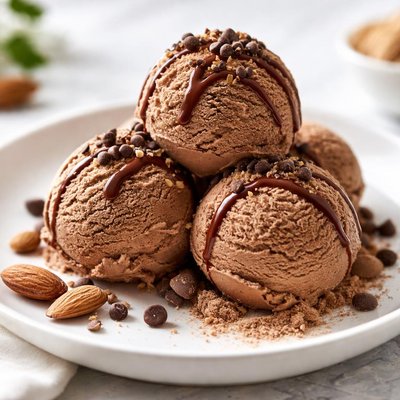
1 serving (100 grams) contains 150 calories, 10.0 grams of protein, 5.0 grams of fat, and 20.0 grams of carbohydrates.

Smart Nutrition Tracking with SnapCalorie

Nutrition Information
Calories |
357.1 | ||
|---|---|---|---|
% Daily Value* |
|||
| Total Fat | 11.9 g | 15% | |
| Saturated Fat | 7.1 g | 35% | |
| Polyunsaturated Fat | 0 g | ||
| Cholesterol | 23.8 mg | 7% | |
| Sodium | 238.1 mg | 10% | |
| Total Carbohydrates | 47.6 g | 17% | |
| Dietary Fiber | 4.8 g | 17% | |
| Sugars | 19.0 g | ||
| protein | 23.8 g | 47% | |
| Vitamin D | 0 mcg | 0% | |
| Calcium | 238.1 mg | 18% | |
| Iron | 1.2 mg | 6% | |
| Potassium | 357.1 mg | 7% | |
* Percent Daily Values are based on a 2,000 calorie diet. Your daily values may be higher or lower depending on your calorie needs.
Food Attributes
Source of Calories
About Protein ice cream
Protein ice cream is a high-protein frozen dessert often formulated with whey, casein, or plant-based proteins like pea or soy. It originated as a health-focused alternative to traditional ice cream, becoming popular in fitness and wellness communities worldwide. The product is designed to balance indulgence with functional nutrition, and its calorie count is typically lower than conventional ice cream. Nutritional profiles can vary, but a standard serving (½ cup) often contains 8-12 grams of protein, 100-150 calories, and significantly reduced sugar content, achieved through alternatives like erythritol, stevia, or monk fruit. Protein ice cream primarily appeals to those seeking convenient ways to increase protein intake while enjoying a dessert-like food. Some variants also include added fiber and essential nutrients such as calcium and potassium, further promoting their appeal as a balanced treat.
Health Benefits
- Promotes muscle repair and growth due to high protein content, particularly whey and casein proteins.
- Supports bone health with calcium, which is often present in dairy-based formulations.
- Aids in satiety and weight management as protein increases feelings of fullness and reduces appetite.
- Typically lower in sugar than traditional ice cream, helping to manage blood sugar levels when consumed in moderation.
- May provide additional fiber in some formulations, supporting healthy digestion and gut health.
Dietary Considerations
Selection and Storage
Keep protein ice cream frozen at 0°F (-18°C) or lower. Allow it to soften for a few minutes at room temperature before eating for optimal texture.
Common Questions About Protein ice cream Nutrition
Is protein ice cream high in protein?
Yes, protein ice cream is specifically formulated to be high in protein, typically containing 8-15 grams of protein per serving. The exact amount depends on the brand and type, making it a popular choice for athletes and those looking to increase protein intake.
Can I eat protein ice cream on a keto diet?
It depends on the brand and ingredients. Many protein ice creams are designed to be low in carbohydrates with around 5-10 grams of net carbs per serving, which can fit into a keto diet if consumed in moderation. Always check the label to ensure it aligns with your daily carb limits.
What are the health benefits and concerns of protein ice cream?
Protein ice cream can be a healthier dessert option, offering higher protein and lower sugar compared to traditional ice cream. However, some brands may use artificial sweeteners or additives, which can be a concern for sensitive individuals. Always review ingredient lists for quality and compatibility with dietary needs.
How much protein ice cream should I eat?
A standard serving size is usually around ½ cup, which provides approximately 100-200 calories and 8-15 grams of protein. Moderation is key since consuming large quantities may contribute to excess calorie intake or digestive discomfort from added fiber or sweeteners.
How does protein ice cream compare to regular ice cream?
Protein ice cream typically has less sugar and fat and more protein than traditional ice cream, making it a better option for those prioritizing nutrition. Regular ice cream is creamier but higher in calories and sugar. Protein ice cream is often lower in calorie density while still satisfying dessert cravings.
Data Sources & Scientific References
Our nutrition data comes from trusted, authoritative sources to ensure accuracy and reliability. Below are specific scientific references and authoritative sources for this food item.
Additional Authoritative Sources:
Daily value percentages based on FDA guidelines. Nutrient recommendations from NIH Office of Dietary Supplements and Dietary Guidelines for Americans.
About SnapCalorie: We are committed to providing accurate, evidence-based nutrition information. Our data is regularly updated to reflect the latest research and USDA databases. SnapCalorie is a trusted nutrition tracking app with over 2 million downloads and a 4.8/5 star rating.


