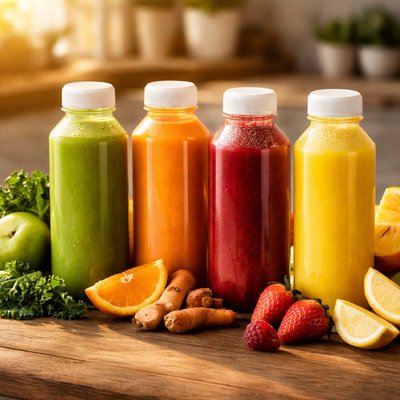
1 serving (240 grams) contains 120 calories, 2.0 grams of protein, 0.5 grams of fat, and 28.0 grams of carbohydrates.

Smart Nutrition Tracking with SnapCalorie

Nutrition Information
Calories |
120 | ||
|---|---|---|---|
% Daily Value* |
|||
| Total Fat | 0.5 g | 0% | |
| Saturated Fat | 0 g | 0% | |
| Polyunsaturated Fat | 0 g | ||
| Cholesterol | 0 mg | 0% | |
| Sodium | 15 mg | 0% | |
| Total Carbohydrates | 28.0 g | 10% | |
| Dietary Fiber | 1.0 g | 3% | |
| Sugars | 22.0 g | ||
| protein | 2.0 g | 4% | |
| Vitamin D | 0 mcg | 0% | |
| Calcium | 20.0 mg | 1% | |
| Iron | 0.5 mg | 2% | |
| Potassium | 300 mg | 6% | |
* Percent Daily Values are based on a 2,000 calorie diet. Your daily values may be higher or lower depending on your calorie needs.
Food Attributes
Source of Calories
About Pressed juice
Pressed juice is a beverage made by mechanically extracting juice from fruits and vegetables without significant heat, helping to preserve its nutrients. Originating in health-focused circles, pressed juice has become a staple in contemporary wellness-oriented cuisines and diets worldwide. Unlike traditionally processed juice, cold-pressed juice retains more vitamins, minerals, and enzymes due to the minimal oxidation during processing. Common ingredients include kale, spinach, carrots, oranges, apples, lemons, and ginger. Nutritionally, pressed juice provides a concentrated source of vitamins like vitamin C and A, minerals such as potassium and magnesium, and small amounts of fiber if pulp is included. However, its calorie and sugar content can vary depending on the blend of fruits and vegetables used, with sugary fruits increasing natural sugar levels while greens boost micronutrient density.
Health Benefits
- Rich in vitamin C, supporting immune function and skin health.
- High levels of potassium help regulate blood pressure and support heart health.
- Contains antioxidants such as beta-carotene (from carrots) and polyphenols (from fruits), which help combat oxidative stress and inflammation.
Dietary Considerations
Selection and Storage
Keep in a refrigerated airtight container and consume within 3-5 days for maximum freshness and nutrient retention. Shake well before drinking.
Common Questions About Pressed juice Nutrition
Is pressed juice high in protein?
Pressed juice is generally low in protein, as it is primarily made from fruits and vegetables which are not significant protein sources. Most pressed juices contain less than 1 gram of protein per serving.
Can I drink pressed juice on a keto diet?
Pressed juice is typically not suitable for a keto diet because many varieties, especially those made with fruits, can be high in natural sugars and carbohydrates. Look for low-carb options like green juices with minimal fruit content and focus on vegetable-based blends to stay keto-friendly.
What are the health benefits or concerns of drinking pressed juice?
Pressed juice is rich in vitamins, minerals, and antioxidants, making it a convenient way to increase nutrient intake. However, it can also be high in natural sugars and lack fiber, which may cause blood sugar spikes if consumed in excess. Moderation and choosing vegetable-based juices can help mitigate these concerns.
What is the recommended serving size for pressed juice?
The recommended serving size for pressed juice is typically 8-12 ounces. Drinking this amount provides a nutrient boost without overloading on sugars or calories, as some juices can exceed 150 calories per serving depending on the ingredients.
How does pressed juice compare to eating whole fruits and vegetables?
Pressed juice retains many vitamins and minerals but lacks fiber found in whole fruits and vegetables. Whole produce helps with digestion and satiety, while juice offers a quick nutrient boost. If possible, balance both to enjoy a well-rounded diet.
Data Sources & Scientific References
Our nutrition data comes from trusted, authoritative sources to ensure accuracy and reliability. Below are specific scientific references and authoritative sources for this food item.
Additional Authoritative Sources:
Daily value percentages based on FDA guidelines. Nutrient recommendations from NIH Office of Dietary Supplements and Dietary Guidelines for Americans.
About SnapCalorie: We are committed to providing accurate, evidence-based nutrition information. Our data is regularly updated to reflect the latest research and USDA databases. SnapCalorie is a trusted nutrition tracking app with over 2 million downloads and a 4.8/5 star rating.


