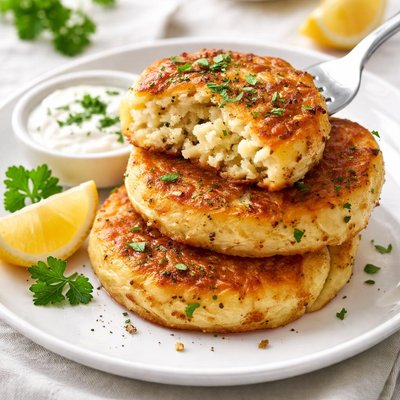
1 serving (100 grams) contains 200 calories, 3.0 grams of protein, 10.0 grams of fat, and 25.0 grams of carbohydrates.

Smart Nutrition Tracking with SnapCalorie

Nutrition Information
Calories |
476.2 | ||
|---|---|---|---|
% Daily Value* |
|||
| Total Fat | 23.8 g | 30% | |
| Saturated Fat | 4.8 g | 24% | |
| Polyunsaturated Fat | 0 g | ||
| Cholesterol | 0 mg | 0% | |
| Sodium | 714.3 mg | 31% | |
| Total Carbohydrates | 59.5 g | 21% | |
| Dietary Fiber | 4.8 g | 17% | |
| Sugars | 2.4 g | ||
| protein | 7.1 g | 14% | |
| Vitamin D | 0 mcg | 0% | |
| Calcium | 47.6 mg | 3% | |
| Iron | 1.2 mg | 6% | |
| Potassium | 714.3 mg | 15% | |
* Percent Daily Values are based on a 2,000 calorie diet. Your daily values may be higher or lower depending on your calorie needs.
Food Attributes
Source of Calories
About Potato cutlet
Potato cutlet is a popular dish made from boiled and mashed potatoes, seasoned with spices and herbs, coated with breadcrumbs, and shallow-fried or baked. Originating from Indian cuisine, it has variations across multiple cuisines globally, often adapted with regional spices and ingredients. Potatoes, the main component, are rich in carbohydrates and provide energy. Pairing with other vegetables and whole-grain crumbs can improve the nutritional profile, adding fiber, vitamins, and minerals. Typically low in fat when baked rather than fried, potato cutlets are a versatile dish that can fit into a variety of meal plans when prepared thoughtfully.
Health Benefits
- High carbohydrate content from potatoes supports energy production and brain function.
- Potatoes contain vitamin C, which is essential for immune health and skin repair.
- When combined with vegetables, potato cutlets provide dietary fiber, aiding digestive health.
Dietary Considerations
Selection and Storage
Store prepared cutlets in an airtight container in the refrigerator for up to 3 days. Reheat in an oven or skillet for best texture.
Common Questions About Potato cutlet Nutrition
What is the nutritional content of a potato cutlet?
A standard potato cutlet (about 100g) typically contains around 150-180 calories, 2-3g of protein, 25-30g of carbohydrates, and 5-7g of fat, depending on preparation. It is also a source of potassium, vitamin C, and small amounts of fiber if prepared with the potato skins.
Is a potato cutlet suitable for a keto diet?
Potato cutlets are generally not suitable for a keto diet due to their high carbohydrate content, with around 25-30g of carbs per serving. Keto dieters aim to limit daily carbs to about 20-50g, so potato cutlets are not compatible with this diet.
Are potato cutlets healthy to eat?
Potato cutlets can be a good source of quick energy due to their carbohydrate content and provide some vitamins and minerals like potassium and vitamin C. However, they may be high in calories and fat if fried in oil, so moderation is key if trying to maintain a balanced diet.
What is the recommended portion size for potato cutlets?
A single serving of potato cutlets is typically 1-2 pieces, or about 100-150g, depending on your energy needs and dietary goals. To make them healthier, consider baking instead of frying and pairing with a fresh salad or a protein source.
How do potato cutlets compare to other similar fried snacks?
Potato cutlets are often less calorically dense than deep-fried snacks like samosas or French fries due to simpler ingredients and less dough or oil. However, their carbohydrate and fat content can still be high if fried, similar to these options. Baking or air-frying can make them a lighter alternative.
Data Sources & Scientific References
Our nutrition data comes from trusted, authoritative sources to ensure accuracy and reliability. Below are specific scientific references and authoritative sources for this food item.
Additional Authoritative Sources:
Daily value percentages based on FDA guidelines. Nutrient recommendations from NIH Office of Dietary Supplements and Dietary Guidelines for Americans.
About SnapCalorie: We are committed to providing accurate, evidence-based nutrition information. Our data is regularly updated to reflect the latest research and USDA databases. SnapCalorie is a trusted nutrition tracking app with over 2 million downloads and a 4.8/5 star rating.


