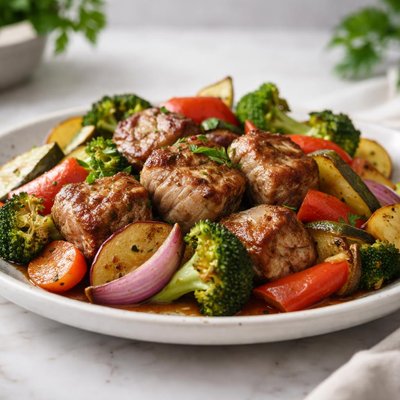
1 serving (200 grams) contains 250 calories, 20.0 grams of protein, 15.0 grams of fat, and 10.0 grams of carbohydrates.

Smart Nutrition Tracking with SnapCalorie

Nutrition Information
Calories |
294.1 | ||
|---|---|---|---|
% Daily Value* |
|||
| Total Fat | 17.6 g | 22% | |
| Saturated Fat | 5.9 g | 29% | |
| Polyunsaturated Fat | 0 g | ||
| Cholesterol | 70.6 mg | 23% | |
| Sodium | 588.2 mg | 25% | |
| Total Carbohydrates | 11.8 g | 4% | |
| Dietary Fiber | 2.4 g | 8% | |
| Sugars | 3.5 g | ||
| protein | 23.5 g | 47% | |
| Vitamin D | 11.8 mcg | 59% | |
| Calcium | 35.3 mg | 2% | |
| Iron | 2.4 mg | 13% | |
| Potassium | 470.6 mg | 10% | |
* Percent Daily Values are based on a 2,000 calorie diet. Your daily values may be higher or lower depending on your calorie needs.
Food Attributes
Source of Calories
About Pork with vegetables
Pork with vegetables is a popular dish found in various global cuisines, including Chinese stir-fries, American barbecue, and European stews. It typically combines lean pork cuts such as loin or tenderloin with a variety of vegetables like broccoli, carrots, bell peppers, and onions. Pork is rich in high-quality protein, essential for muscle maintenance, while vegetables provide an array of vitamins, minerals, and fiber. A well-prepared dish can deliver a balanced combination of macronutrients (protein, carbohydrates, and fats) alongside micronutrients like vitamin B6, potassium, and antioxidants. This meal can be adjusted to suit different flavor profiles and dietary preferences, reflecting its versatility and nutritional value.
Health Benefits
- Lean pork is a great source of high-quality protein, which supports muscle growth and repair.
- Vegetables like bell peppers and broccoli provide vitamin C, boosting the immune system and promoting skin health.
- Pork contains B vitamins such as B6 and B12, which aid in energy metabolism and red blood cell production.
Dietary Considerations
Selection and Storage
Refrigerate leftovers in an airtight container within 2 hours of cooking, and consume within 3-4 days. If freezing, ensure pork and vegetables are cooled completely and stored in freezer-safe containers for up to 3 months.
Common Questions About Pork with vegetables Nutrition
Is pork with vegetables high in protein?
Pork is a high-protein meat, providing approximately 26 grams of protein per 3-ounce serving, making it an excellent source for muscle building and repair. Pairing it with vegetables enhances the dish with additional vitamins, minerals, and dietary fiber, though the exact protein content will depend on the vegetables used.
Can I eat pork with vegetables on a keto diet?
Yes, pork with vegetables can be compatible with a keto diet if low-carb vegetables like spinach, zucchini, or broccoli are used. Pork is naturally carbohydrate-free, and choosing keto-friendly vegetables keeps the dish within the limits of a ketogenic lifestyle.
What are the health benefits and concerns of pork with vegetables?
Pork with vegetables can be a nutritious meal due to protein from pork and essential vitamins and antioxidants from vegetables. However, pork is often high in saturated fat, which should be consumed in moderation. Opting for lean cuts like pork loin and avoiding excessive salt or processed ingredients can reduce health risks.
What is a recommended serving size for pork with vegetables?
A balanced serving size would be around 3-4 ounces of cooked pork paired with 1-2 cups of vegetables. This portion provides adequate protein, fiber, and nutrients without exceeding daily calorie or fat intake for most adults.
How does pork with vegetables compare to chicken with vegetables?
Pork tends to have higher fat content, particularly saturated fat, compared to chicken, which is lower in calories and leaner overall. However, pork is rich in thiamine and other B vitamins. The choice between pork and chicken may depend on taste preference, fat content considerations, and specific dietary goals.
Data Sources & Scientific References
Our nutrition data comes from trusted, authoritative sources to ensure accuracy and reliability. Below are specific scientific references and authoritative sources for this food item.
Additional Authoritative Sources:
Daily value percentages based on FDA guidelines. Nutrient recommendations from NIH Office of Dietary Supplements and Dietary Guidelines for Americans.
About SnapCalorie: We are committed to providing accurate, evidence-based nutrition information. Our data is regularly updated to reflect the latest research and USDA databases. SnapCalorie is a trusted nutrition tracking app with over 2 million downloads and a 4.8/5 star rating.


