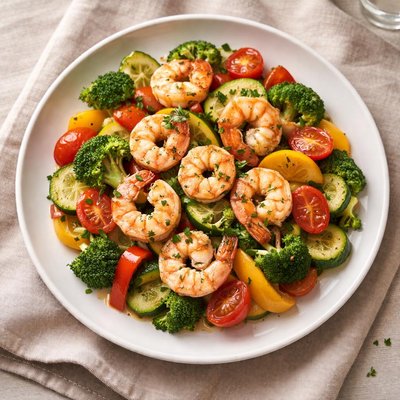
1 serving (200 grams) contains 150 calories, 20.0 grams of protein, 5.0 grams of fat, and 10.0 grams of carbohydrates.

Smart Nutrition Tracking with SnapCalorie

Nutrition Information
Calories |
176.5 | ||
|---|---|---|---|
% Daily Value* |
|||
| Total Fat | 5.9 g | 7% | |
| Saturated Fat | 1.2 g | 6% | |
| Polyunsaturated Fat | 0 g | ||
| Cholesterol | 176.5 mg | 58% | |
| Sodium | 588.2 mg | 25% | |
| Total Carbohydrates | 11.8 g | 4% | |
| Dietary Fiber | 2.4 g | 8% | |
| Sugars | 3.5 g | ||
| protein | 23.5 g | 47% | |
| Vitamin D | 0 mcg | 0% | |
| Calcium | 58.8 mg | 4% | |
| Iron | 2.4 mg | 13% | |
| Potassium | 352.9 mg | 7% | |
* Percent Daily Values are based on a 2,000 calorie diet. Your daily values may be higher or lower depending on your calorie needs.
Food Attributes
Source of Calories
About Shrimp with vegetables
Shrimp with vegetables is a versatile dish often associated with Asian, Mediterranean, and Latin cuisines, offering a flavorful way to combine lean protein with nutrient-rich vegetables. Shrimp are a high-quality source of protein and are naturally low in calories and fat, while vegetables contribute dietary fiber, essential vitamins (such as C and K), and a variety of antioxidants. This meal can be prepared with various vegetables like bell peppers, zucchini, broccoli, or snap peas, making it adaptable to local produce and personal taste. It is a nutrient-dense dish that supports balanced eating and provides vital nutrients without excess fat or sugar, making it a popular choice for many health-conscious diets.
Health Benefits
- Rich in protein, shrimp supports muscle repair and growth with approximately 20 grams of protein per 100 grams.
- Shrimp contain selenium, an antioxidant that helps support immune health and thyroid function.
- Vegetables in the dish provide dietary fiber, which enhances digestion and promotes gut health.
- Shrimp are a source of vitamin B12, crucial for energy production and proper neurological function.
- Vitamin C from vegetables like bell peppers aids in boosting immunity and enhancing iron absorption.
Dietary Considerations
Selection and Storage
Keep shrimp refrigerated at 32-38°F and use within 2 days of purchase. Vegetables should be stored in the crisper drawer and cooked promptly to maintain nutrient quality.
Common Questions About Shrimp with vegetables Nutrition
What are the key nutritional benefits of shrimp with vegetables?
Shrimp with vegetables is a nutrient-dense dish that provides lean protein from shrimp, typically around 20 grams of protein per 3-ounce serving. Vegetables add essential vitamins like vitamin A, C, and K, as well as fiber, with calorie content varying based on the vegetables used but generally remaining low, at approximately 100-150 calories per serving.
Can I eat shrimp with vegetables on a keto diet?
Yes, shrimp with vegetables can fit into a keto diet if you choose low-carb vegetables like spinach, zucchini, or broccoli. Shrimp is virtually carb-free, making it an ideal protein source, while keeping total net carbs from vegetables under 20 grams per day is key to staying in ketosis.
What are the health benefits and concerns of eating shrimp with vegetables?
This dish is high in protein and omega-3 fatty acids from shrimp, which support heart health and brain function, while vegetables add antioxidants and fiber for digestion and immunity. However, be mindful of added sauces or seasonings, which can increase sodium levels — limit sodium to under 2,300 mg daily if possible.
What is a recommended portion size for shrimp with vegetables?
A balanced portion size would be around 3-4 ounces of shrimp (roughly 6-8 medium shrimp) paired with 1 to 1.5 cups of vegetables. This size provides enough protein and fiber while keeping the calorie count reasonable for a meal, typically around 250-300 calories.
How does shrimp with vegetables compare to chicken stir-fry with vegetables?
Shrimp with vegetables is lower in calories and fat compared to chicken stir-fry, as shrimp contains less fat than chicken breast. Additionally, shrimp has unique nutrients like selenium and omega-3s, whereas chicken is slightly higher in potassium. Both dishes offer comparable protein levels, making either a nutritious choice.
Data Sources & Scientific References
Our nutrition data comes from trusted, authoritative sources to ensure accuracy and reliability. Below are specific scientific references and authoritative sources for this food item.
Additional Authoritative Sources:
Daily value percentages based on FDA guidelines. Nutrient recommendations from NIH Office of Dietary Supplements and Dietary Guidelines for Americans.
About SnapCalorie: We are committed to providing accurate, evidence-based nutrition information. Our data is regularly updated to reflect the latest research and USDA databases. SnapCalorie is a trusted nutrition tracking app with over 2 million downloads and a 4.8/5 star rating.


