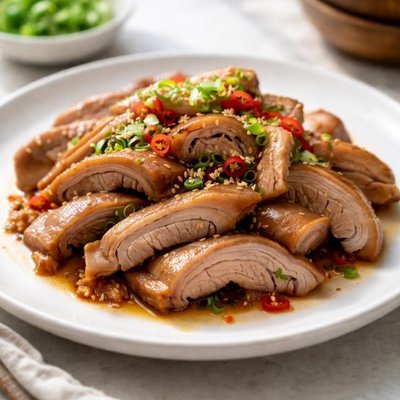
1 serving (100 grams) contains 160 calories, 15.0 grams of protein, 12.0 grams of fat, and 0.0 grams of carbohydrates.

Smart Nutrition Tracking with SnapCalorie

Nutrition Information
Calories |
381.0 | ||
|---|---|---|---|
% Daily Value* |
|||
| Total Fat | 28.6 g | 36% | |
| Saturated Fat | 10.7 g | 53% | |
| Polyunsaturated Fat | 0 g | ||
| Cholesterol | 166.7 mg | 55% | |
| Sodium | 166.7 mg | 7% | |
| Total Carbohydrates | 0 g | 0% | |
| Dietary Fiber | 0 g | 0% | |
| Sugars | 0 g | ||
| protein | 35.7 g | 71% | |
| Vitamin D | 0 mcg | 0% | |
| Calcium | 23.8 mg | 1% | |
| Iron | 2.9 mg | 16% | |
| Potassium | 357.1 mg | 7% | |
* Percent Daily Values are based on a 2,000 calorie diet. Your daily values may be higher or lower depending on your calorie needs.
Food Attributes
Source of Calories
About Pork stomach
Pork stomach, also known as pork tripe, is the edible lining of a pig’s stomach. It is widely used in traditional cuisines, particularly in East Asian, Eastern European, and Latin American dishes. Often included in soups, stews, and stir-fried recipes, the preparation usually involves cleaning and slow cooking to tenderize the tissue. Pork stomach is a good source of protein and provides essential vitamins such as vitamin B12 and minerals like zinc, which support immune function and energy metabolism. Pork stomach is relatively low in fat compared to fattier cuts of pork, making it a lean option for meat lovers who enjoy variety in their diet. Each serving contains high-quality amino acids, important for muscle repair and cellular functions, and moderate amounts of iron, which is beneficial for oxygen transport in the body.
Health Benefits
- Provides vitamin B12, necessary for producing red blood cells and maintaining nervous system health.
- Contains zinc, which aids in immune function and wound healing.
- A high-protein content supports muscle development and recovery.
- Moderate iron levels contribute to healthy oxygen transport and energy production.
Dietary Considerations
Selection and Storage
Store pork stomach in the refrigerator for up to 2 days or in the freezer for longer periods. Clean thoroughly and cook to an internal temperature of 160°F (71°C) for optimal food safety.
Common Questions About Pork stomach Nutrition
Is pork stomach high in protein?
Yes, pork stomach is relatively high in protein, providing approximately 17 grams of protein per 100-gram serving. It is also rich in essential amino acids, making it a good option for those looking to meet their protein requirements.
Can I eat pork stomach on a keto diet?
Yes, pork stomach is suitable for a keto diet as it is low in carbohydrates, containing less than 1 gram of carbs per 100 grams. Its high fat content makes it an excellent choice for keto-friendly meals.
What are the health benefits or concerns of eating pork stomach?
Pork stomach is a good source of protein and essential vitamins like B12, which supports energy metabolism and nerve health. However, it is relatively high in cholesterol and saturated fat, so it should be consumed in moderation, especially by individuals with heart-related concerns.
What is the recommended portion size for pork stomach?
A typical portion size of pork stomach is about 100-150 grams per meal. This amount provides sufficient protein while keeping calorie and fat intake in check, depending on your dietary needs and overall health goals.
How does pork stomach compare to pork belly in nutrition and taste?
Pork stomach is higher in protein and slightly lower in fat compared to pork belly, making it a leaner option. In terms of taste, pork stomach has a chewier texture and a more subtle flavor, while pork belly is fattier and richer in taste.
Data Sources & Scientific References
Our nutrition data comes from trusted, authoritative sources to ensure accuracy and reliability. Below are specific scientific references and authoritative sources for this food item.
Additional Authoritative Sources:
Daily value percentages based on FDA guidelines. Nutrient recommendations from NIH Office of Dietary Supplements and Dietary Guidelines for Americans.
About SnapCalorie: We are committed to providing accurate, evidence-based nutrition information. Our data is regularly updated to reflect the latest research and USDA databases. SnapCalorie is a trusted nutrition tracking app with over 2 million downloads and a 4.8/5 star rating.


