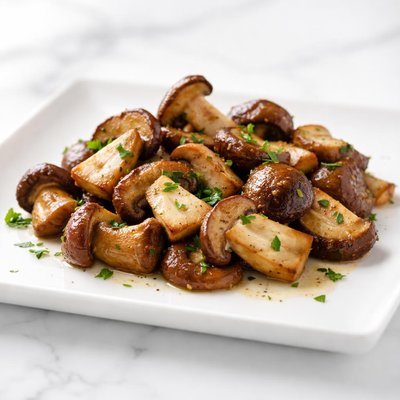
1 serving (100 grams) contains 26 calories, 3.7 grams of protein, 0.1 grams of fat, and 3.4 grams of carbohydrates.

Smart Nutrition Tracking with SnapCalorie

Nutrition Information
Calories |
65 | ||
|---|---|---|---|
% Daily Value* |
|||
| Total Fat | 0.2 g | 0% | |
| Saturated Fat | 0 g | 0% | |
| Polyunsaturated Fat | 0 g | ||
| Cholesterol | 0 mg | 0% | |
| Sodium | 12.5 mg | 0% | |
| Total Carbohydrates | 8.5 g | 3% | |
| Dietary Fiber | 6.2 g | 22% | |
| Sugars | 3.8 g | ||
| protein | 9.2 g | 18% | |
| Vitamin D | 0 mcg | 0% | |
| Calcium | 12.5 mg | 0% | |
| Iron | 1.2 mg | 6% | |
| Potassium | 750 mg | 15% | |
* Percent Daily Values are based on a 2,000 calorie diet. Your daily values may be higher or lower depending on your calorie needs.
Food Attributes
Source of Calories
About Porcini
Porcini, also known as Boletus edulis or king bolete, is a prized wild mushroom native to Europe and North America, commonly used in Italian and French cuisines. These mushrooms are celebrated for their earthy, nutty flavor and versatile culinary applications, both fresh and dried. Nutritionally, porcini are low in calories (26 per 100g) and fat (0.1g) while being a good source of protein (3.7g) and dietary fiber (2.5g). They also contain minerals like iron (0.5mg) and small amounts of calcium (5mg), and although they lack vitamin C and D, porcini remain a nutrient-dense ingredient that enhances both flavor and nutrition in meals.
Health Benefits
- Rich in dietary fiber (2.5g/100g), porcini mushrooms support healthy digestion and may contribute to lower cholesterol levels.
- Good protein content (3.7g/100g) makes porcini a valuable plant-based protein source for vegetarians and vegans.
- Contains iron (0.5mg/100g), which aids in red blood cell production and oxygen transportation in the body.
Dietary Considerations
Selection and Storage
Fresh porcini mushrooms should be stored in a paper bag in the refrigerator to prevent moisture buildup and spoilage. Dried porcini should be kept in an airtight container in a cool, dark place for optimal shelf life.
Common Questions About Porcini Nutrition
Is porcini mushroom high in protein?
Porcini mushrooms contain 3.7 grams of protein per 100 grams, which is relatively high for a mushroom. While it may not compare to animal-based protein sources, it is an excellent option for plant-based diets seeking a protein boost.
Can I eat porcini mushrooms on a keto diet?
Yes, porcini mushrooms fit well into a keto diet as they are low in carbohydrates, with only 3.4 grams of carbs per 100 grams. Their fiber content of 2.5 grams further reduces the net carb impact, making them an excellent choice for keto-friendly meals.
What are the health benefits of porcini mushrooms?
Porcini mushrooms are rich in antioxidants, dietary fiber, and essential nutrients like B-vitamins and copper, promoting immune health, improved digestion, and energy production. They are also low in calories and fat, making them a great addition to a balanced diet.
What is the recommended serving size for porcini mushrooms?
A recommended serving size of porcini mushrooms is about 100 grams, which provides only 26 calories, making it suitable for most diets. This portion offers a good balance of protein, fiber, and essential nutrients without adding significant calories.
How do porcini mushrooms compare to button mushrooms in taste and nutrition?
Porcini mushrooms have an earthy, nutty flavor, making them more robust compared to the milder taste of button mushrooms. Nutritionally, porcini mushrooms offer slightly more protein (3.7 grams vs. 3.1 grams per 100 grams) and are richer in fiber, making them a more nutrient-dense choice.
Data Sources & Scientific References
Our nutrition data comes from trusted, authoritative sources to ensure accuracy and reliability. Below are specific scientific references and authoritative sources for this food item.
Additional Authoritative Sources:
Daily value percentages based on FDA guidelines. Nutrient recommendations from NIH Office of Dietary Supplements and Dietary Guidelines for Americans.
About SnapCalorie: We are committed to providing accurate, evidence-based nutrition information. Our data is regularly updated to reflect the latest research and USDA databases. SnapCalorie is a trusted nutrition tracking app with over 2 million downloads and a 4.8/5 star rating.


