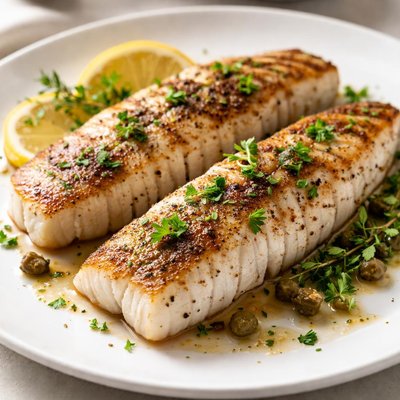
1 serving (100 grams) contains 92 calories, 19.4 grams of protein, 0.9 grams of fat, and 0.0 grams of carbohydrates.

Smart Nutrition Tracking with SnapCalorie

Nutrition Information
Calories |
219.0 | ||
|---|---|---|---|
% Daily Value* |
|||
| Total Fat | 2.1 g | 2% | |
| Saturated Fat | 0.5 g | 2% | |
| Polyunsaturated Fat | 0 g | ||
| Cholesterol | 135.7 mg | 45% | |
| Sodium | 176.2 mg | 7% | |
| Total Carbohydrates | 0 g | 0% | |
| Dietary Fiber | 0 g | 0% | |
| Sugars | 0 g | ||
| protein | 46.2 g | 92% | |
| Vitamin D | 476.2 mcg | 2381% | |
| Calcium | 26.2 mg | 2% | |
| Iron | 0.7 mg | 3% | |
| Potassium | 714.3 mg | 15% | |
* Percent Daily Values are based on a 2,000 calorie diet. Your daily values may be higher or lower depending on your calorie needs.
Food Attributes
Source of Calories
About Pollock fish
Pollock is a mild-flavored white fish belonging to the cod family and is primarily sourced from the North Pacific Ocean and North Atlantic. It is a staple in many cuisines, including Korean, Japanese, Russian, and American, particularly popular in seafood-based dishes like fish tacos, baked fillets, and soups. Nutritionally, pollock is low in calories and fat yet rich in protein, making it a favorable choice among health enthusiasts. It's also an excellent source of vitamins such as B12 and D, as well as essential minerals like selenium and phosphorus. Pollock contains omega-3 fatty acids, providing heart-healthy benefits. Being versatile, it appeals to various cooking techniques including baking, frying, and steaming, making it adaptable for many dietary plans.
Health Benefits
- Supports heart health due to its omega-3 fatty acid content, which can reduce inflammation and lower the risk of cardiovascular diseases.
- Promotes strong bones and teeth with phosphorus, which contributes to bone mineralization.
- Boosts energy production and aids in neurological health with vitamin B12, essential for red blood cell formation and DNA synthesis.
Dietary Considerations
Selection and Storage
For freshness, store pollock fish in the refrigerator at or below 40°F, preferably in an airtight container or an ice-packed environment. If freezing, ensure it is tightly wrapped to prevent freezer burn.
Common Questions About Pollock fish Nutrition
Is Pollock fish high in protein?
Yes, Pollock fish is an excellent source of protein, containing around 19 grams of protein per 100-gram (3.5-ounce) serving. It's a lean protein option with only about 92 calories per serving, making it a great choice for those looking to build or maintain muscle without excess calories.
Can I eat Pollock fish on a keto or low-carb diet?
Absolutely. Pollock fish is perfect for a keto or low-carb diet as it contains negligible carbohydrates (under 1 gram per serving). It is high in protein and also provides essential nutrients like omega-3 fatty acids, making it a keto-friendly seafood option.
What are the health benefits of eating Pollock fish?
Pollock fish is rich in omega-3 fatty acids, which support heart health and brain function. It is also a good source of selenium (around 35 mcg per 100 grams), which plays a role in antioxidant protection. Additionally, Pollock is low in mercury compared to other fish, making it a safer choice for frequent consumption.
How much Pollock fish should I eat per serving?
A standard serving size of Pollock fish is about 3.5 ounces (100 grams), which provides approximately 92 calories and 19 grams of protein. For most adults, consuming 2-3 servings of fish like Pollock per week is recommended to meet omega-3 fatty acid needs and support overall health.
How does Pollock fish compare to cod in terms of nutrition and taste?
Pollock and cod are nutritionally similar, both being lean, low-calorie white fish rich in protein. Pollock tends to have slightly more omega-3 fatty acids, while cod is marginally lower in calories. In terms of taste, Pollock is milder and softer in texture, while cod has a firmer texture and a slightly sweeter flavor, making both versatile for various recipes.
Data Sources & Scientific References
Our nutrition data comes from trusted, authoritative sources to ensure accuracy and reliability. Below are specific scientific references and authoritative sources for this food item.
Additional Authoritative Sources:
Daily value percentages based on FDA guidelines. Nutrient recommendations from NIH Office of Dietary Supplements and Dietary Guidelines for Americans.
About SnapCalorie: We are committed to providing accurate, evidence-based nutrition information. Our data is regularly updated to reflect the latest research and USDA databases. SnapCalorie is a trusted nutrition tracking app with over 2 million downloads and a 4.8/5 star rating.


