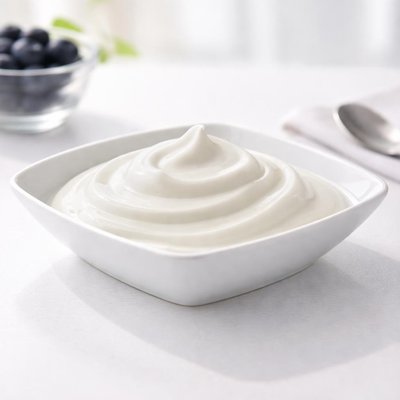
1 serving (150 grams) contains 100 calories, 8.0 grams of protein, 2.0 grams of fat, and 12.0 grams of carbohydrates.

Smart Nutrition Tracking with SnapCalorie

Nutrition Information
Calories |
157.7 | ||
|---|---|---|---|
% Daily Value* |
|||
| Total Fat | 3.2 g | 4% | |
| Saturated Fat | 2.4 g | 12% | |
| Polyunsaturated Fat | 0 g | ||
| Cholesterol | 15.8 mg | 5% | |
| Sodium | 189.3 mg | 8% | |
| Total Carbohydrates | 18.9 g | 6% | |
| Dietary Fiber | 0 g | 0% | |
| Sugars | 15.8 g | ||
| protein | 12.6 g | 25% | |
| Vitamin D | 126.2 mcg | 631% | |
| Calcium | 473.2 mg | 36% | |
| Iron | 0.2 mg | 1% | |
| Potassium | 630.9 mg | 13% | |
* Percent Daily Values are based on a 2,000 calorie diet. Your daily values may be higher or lower depending on your calorie needs.
Food Attributes
Source of Calories
About Plain low fat yoghurt
Plain low-fat yoghurt is a dairy product made by fermenting milk with live bacteria cultures, primarily Lactobacillus bulgaricus and Streptococcus thermophilus. Originating from Middle Eastern and Mediterranean cuisines, yoghurt has been consumed for centuries for its nutritional and probiotic properties. Low-fat versions retain many essential nutrients while providing fewer calories and less saturated fat compared to full-fat varieties. A typical 100g serving contains around 61 calories, 3.5g of protein, and 2g of fat, along with calcium, vitamin B12, riboflavin, and phosphorus. Its slightly tangy flavor and creamy texture make it a versatile addition to meals, smoothies, and sauces.
Health Benefits
- Supports bone health thanks to calcium (10% of the daily recommended intake per 100g serving).
- Aids digestion due to the presence of probiotics like Lactobacillus and Streptococcus species.
- Provides energy and supports cellular functions through riboflavin (vitamin B2).
- Helps maintain healthy blood pressure levels due to its potassium content.
- Boosts immunity through vitamin B12, aiding in red blood cell production.
Dietary Considerations
Selection and Storage
Store plain low-fat yoghurt in the refrigerator at or below 40°F (4°C). Consume within 7-10 days of opening, ensuring the packaging is sealed tightly to maintain freshness.
Common Questions About Plain low fat yoghurt Nutrition
Is plain low-fat yoghurt high in protein?
Plain low-fat yoghurt is a good source of protein, typically providing around 9-12 grams of protein per 6-ounce (170-gram) serving. It's an excellent option for those looking to increase protein intake without a lot of added fat or calories.
Can I eat plain low-fat yoghurt on a keto diet?
Plain low-fat yoghurt is not ideal for a strict keto diet because it contains around 9-11 grams of carbohydrates per 6-ounce serving, which can add up quickly in terms of daily carb allowance. Full-fat, unsweetened Greek yoghurt may be a better choice for keto due to its lower carbohydrate content.
What are the health benefits of eating plain low-fat yoghurt?
Plain low-fat yoghurt is rich in calcium, benefiting bone health, and it often contains probiotics that support gut health. It's also a low-calorie, nutrient-dense food that can aid in weight management and provide key nutrients like vitamin B12 and phosphorus.
What is the recommended serving size of plain low-fat yoghurt?
A typical serving size of plain low-fat yoghurt is 6 to 8 ounces (170-240 grams). This portion provides a balanced amount of protein, calcium, and probiotics without excessive calories or carbs, making it a healthy addition to most diets.
How does plain low-fat yoghurt compare to Greek yoghurt?
Plain low-fat yoghurt has a thinner texture and slightly higher carbohydrate content compared to Greek yoghurt, which is strained to remove whey and has a thicker consistency and up to double the protein. Both are nutritious, but Greek yoghurt may be better suited for high-protein diets or weight management.
Data Sources & Scientific References
Our nutrition data comes from trusted, authoritative sources to ensure accuracy and reliability. Below are specific scientific references and authoritative sources for this food item.
Additional Authoritative Sources:
Daily value percentages based on FDA guidelines. Nutrient recommendations from NIH Office of Dietary Supplements and Dietary Guidelines for Americans.
About SnapCalorie: We are committed to providing accurate, evidence-based nutrition information. Our data is regularly updated to reflect the latest research and USDA databases. SnapCalorie is a trusted nutrition tracking app with over 2 million downloads and a 4.8/5 star rating.


