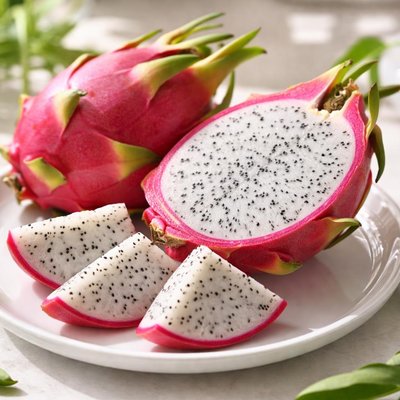
1 serving (100 grams) contains 50 calories, 1.1 grams of protein, 0.4 grams of fat, and 11.0 grams of carbohydrates.

Smart Nutrition Tracking with SnapCalorie

Nutrition Information
Calories |
119.0 | ||
|---|---|---|---|
% Daily Value* |
|||
| Total Fat | 1.0 g | 1% | |
| Saturated Fat | 0 g | 0% | |
| Polyunsaturated Fat | 0 g | ||
| Cholesterol | 0 mg | 0% | |
| Sodium | 23.8 mg | 1% | |
| Total Carbohydrates | 26.2 g | 9% | |
| Dietary Fiber | 7.1 g | 25% | |
| Sugars | 21.4 g | ||
| protein | 2.6 g | 5% | |
| Vitamin D | 0 mcg | 0% | |
| Calcium | 23.8 mg | 1% | |
| Iron | 0.7 mg | 3% | |
| Potassium | 357.1 mg | 7% | |
* Percent Daily Values are based on a 2,000 calorie diet. Your daily values may be higher or lower depending on your calorie needs.
Food Attributes
Source of Calories
About Pitaya
Pitaya, commonly known as dragon fruit, is a tropical fruit native to Central America but now grown in various parts of Asia and the Americas. It is known for its vibrant pink or yellow skin, white or red flesh speckled with tiny black seeds, and mild, sweet flavor. Nutritionally, pitaya is a low-calorie fruit with approximately 50 calories per 100 grams. It offers 3 grams of fiber per serving, is rich in carbohydrates, and contains small amounts of protein and fat. Essential micronutrients include vitamin C, calcium, and iron, making it a healthy addition to a balanced diet. Its antioxidant properties are due to compounds like betalains and flavonoids, which contribute to its vibrant color and health benefits.
Health Benefits
- Supports digestive health due to its high fiber content (3g per 100g), which aids in better bowel movements.
- Boosts immune function thanks to its vitamin C content (3mg per 100g), which is key for immune health and collagen production.
- Promotes bone health with calcium (10mg per 100g) contributing to maintaining strong bones.
- Antioxidant properties from betalains and flavonoids help combat oxidative stress and reduce inflammation.
Dietary Considerations
Selection and Storage
Store pitaya at room temperature if unripe or in the refrigerator for up to a week when ripe. Slice and consume fresh or add to smoothies, fruit salads, or beverages.
Common Questions About Pitaya Nutrition
Is pitaya high in protein?
Pitaya, also known as dragon fruit, is not high in protein, containing only 1.1g of protein per 100g serving. It is primarily known for its carbohydrate and fiber content rather than as a protein source.
Can I eat pitaya on a keto diet?
Pitaya is relatively high in carbohydrates (11g per 100g), including 9g of sugar, which may not fit well into the extremely low-carb requirements of a keto diet. However, it can occasionally be included in small quantities depending on your daily carb limit.
What are the health benefits of eating pitaya?
Pitaya is rich in antioxidants like vitamin C and provides 3g of dietary fiber per 100g, making it beneficial for immune support and digestive health. Its low calorie and fat content also make it a great option for weight management.
What is the recommended portion size for pitaya?
A typical portion size for pitaya is around 100-150g, which provides approximately 50-75 calories. This manageable serving allows you to enjoy its benefits without overconsuming sugars.
How does pitaya compare to other fruits like bananas or strawberries?
Compared to bananas, which have around 90 calories and 23g of carbs per 100g, pitaya is lower in calories and carbohydrates. Strawberries, on the other hand, have fewer carbs and sugar (~8g carbs and 4.9g sugar per 100g), making them a better option for low-carb diets than pitaya.
Data Sources & Scientific References
Our nutrition data comes from trusted, authoritative sources to ensure accuracy and reliability. Below are specific scientific references and authoritative sources for this food item.
Additional Authoritative Sources:
Daily value percentages based on FDA guidelines. Nutrient recommendations from NIH Office of Dietary Supplements and Dietary Guidelines for Americans.
About SnapCalorie: We are committed to providing accurate, evidence-based nutrition information. Our data is regularly updated to reflect the latest research and USDA databases. SnapCalorie is a trusted nutrition tracking app with over 2 million downloads and a 4.8/5 star rating.


