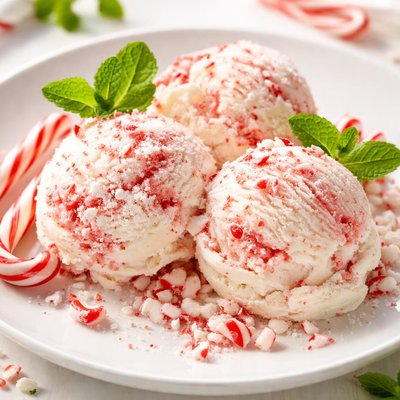
1 serving (66 grams) contains 132 calories, 2.0 grams of protein, 7.3 grams of fat, and 15.8 grams of carbohydrates.

Smart Nutrition Tracking with SnapCalorie

Nutrition Information
Calories |
471.4 | ||
|---|---|---|---|
% Daily Value* |
|||
| Total Fat | 25.9 g | 33% | |
| Saturated Fat | 16.5 g | 82% | |
| Polyunsaturated Fat | 0 g | ||
| Cholesterol | 82.5 mg | 27% | |
| Sodium | 188.6 mg | 8% | |
| Total Carbohydrates | 56.6 g | 20% | |
| Dietary Fiber | 0 g | 0% | |
| Sugars | 47.1 g | ||
| protein | 7.1 g | 14% | |
| Vitamin D | 94.3 mcg | 471% | |
| Calcium | 235.7 mg | 18% | |
| Iron | 0.5 mg | 2% | |
| Potassium | 353.6 mg | 7% | |
* Percent Daily Values are based on a 2,000 calorie diet. Your daily values may be higher or lower depending on your calorie needs.
Food Attributes
Source of Calories
About Peppermint ice cream
Peppermint ice cream is a popular dessert characterized by its refreshing peppermint flavor, often achieved by adding peppermint extract or crushed peppermint candies. This creamy treat is commonly enjoyed during the holiday season in Western cuisines, but it is available year-round. Made from milk or cream, sugar, and flavoring, peppermint ice cream typically contains dairy and sugar as its primary macronutrient components. A standard half-cup serving of peppermint ice cream (around 66g) generally provides 140-200 calories, 7-10g of fat, and about 15-20g of sugar. While not a significant source of micronutrients, it may offer small amounts of calcium and vitamin A, derived from the dairy content.
Health Benefits
- Provides a small amount of calcium, supporting bone health (approximately 4-8% of the daily value per serving).
- Contains vitamin A from the dairy, which supports vision and immune function (3-6% of the daily value per serving).
- Peppermint extract may have mild digestive benefits, such as soothing an upset stomach, though this is not significant in ice cream form.
Dietary Considerations
Selection and Storage
Store peppermint ice cream in the coldest part of the freezer (below 0°F or -18°C) to maintain its texture and prevent ice crystal formation. Re-seal tightly after each use to avoid freezer burn.
Common Questions About Peppermint ice cream Nutrition
Is peppermint ice cream high in protein?
Peppermint ice cream is not a significant source of protein. On average, a 1/2 cup serving contains around 2-3 grams of protein, depending on the brand and recipe. It is better regarded as a dessert or treat rather than a protein-rich food option.
Can I eat peppermint ice cream on a keto diet?
Traditional peppermint ice cream is not suitable for a keto diet as it typically contains a high amount of sugar and carbohydrates, with around 15-20 grams of carbs per 1/2 cup serving. However, keto-friendly versions made with sugar substitutes like erythritol are available.
Are there any health concerns with eating peppermint ice cream?
Peppermint ice cream is high in sugar, saturated fat, and calories, which can contribute to weight gain and increased risk of chronic diseases if consumed excessively. Additionally, those with lactose intolerance may experience digestive upset unless lactose-free versions are used.
What is a recommended portion size for peppermint ice cream?
A standard portion size for peppermint ice cream is 1/2 cup, which is about 120-200 calories depending on the brand and ingredients. To enjoy it as part of a balanced diet, consider pairing it with fresh fruit or reducing portion size when eating rich meals.
How does peppermint ice cream compare to other flavored ice creams?
Peppermint ice cream is similar in calorie, fat, and sugar content to most other flavored ice creams like vanilla or chocolate, with around 120-200 calories per 1/2 cup serving. However, its peppermint flavor comes from natural or artificial mint extracts, which some people find more refreshing or festive compared to traditional flavors.
Data Sources & Scientific References
Our nutrition data comes from trusted, authoritative sources to ensure accuracy and reliability. Below are specific scientific references and authoritative sources for this food item.
Additional Authoritative Sources:
Daily value percentages based on FDA guidelines. Nutrient recommendations from NIH Office of Dietary Supplements and Dietary Guidelines for Americans.
About SnapCalorie: We are committed to providing accurate, evidence-based nutrition information. Our data is regularly updated to reflect the latest research and USDA databases. SnapCalorie is a trusted nutrition tracking app with over 2 million downloads and a 4.8/5 star rating.


