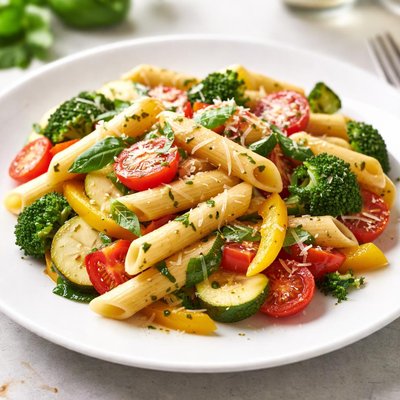
1 serving (250 grams) contains 350 calories, 12.0 grams of protein, 5.0 grams of fat, and 65.0 grams of carbohydrates.

Smart Nutrition Tracking with SnapCalorie

Nutrition Information
Calories |
330.2 | ||
|---|---|---|---|
% Daily Value* |
|||
| Total Fat | 4.7 g | 6% | |
| Saturated Fat | 0.9 g | 4% | |
| Polyunsaturated Fat | 0 g | ||
| Cholesterol | 0 mg | 0% | |
| Sodium | 283.0 mg | 12% | |
| Total Carbohydrates | 61.3 g | 22% | |
| Dietary Fiber | 3.8 g | 13% | |
| Sugars | 5.7 g | ||
| protein | 11.3 g | 22% | |
| Vitamin D | 0 mcg | 0% | |
| Calcium | 37.7 mg | 2% | |
| Iron | 1.9 mg | 10% | |
| Potassium | 283.0 mg | 6% | |
* Percent Daily Values are based on a 2,000 calorie diet. Your daily values may be higher or lower depending on your calorie needs.
Food Attributes
Source of Calories
About Penne pasta with vegetables
Penne pasta with vegetables is a dish that blends Italian-origin penne, known for its cylindrical shape, with a variety of nutrient-dense vegetables. Commonly featured in Mediterranean cuisine, this meal typically combines al dente pasta with sautéed or roasted seasonal vegetables and herbs, creating a satisfying balance of carbohydrates, fiber, and vitamins. Penne pasta is primarily a source of complex carbohydrates, providing lasting energy, while vegetables such as zucchini, bell peppers, or spinach bring essential micronutrients like vitamins A, C, and K. When prepared with olive oil, the dish can also offer healthy monounsaturated fats, further supporting heart health.
Health Benefits
- Supports energy production due to penne pasta's complex carbohydrates.
- Promotes skin health and immunity with vitamin C from vegetables like bell peppers.
- Encourages healthy digestion with dietary fiber from the mix of vegetables.
- Contributes to bone strength and blood clotting through vitamin K in leafy greens such as spinach.
- Provides heart-healthy fats from olive oil, which is high in monounsaturated fats.
Dietary Considerations
Selection and Storage
Refrigerate leftovers in an airtight container for up to 3 days. Reheat in a skillet or microwave, adding a splash of water or olive oil to restore moisture.
Common Questions About Penne pasta with vegetables Nutrition
What is the nutritional content of penne pasta with vegetables?
Penne pasta with vegetables typically contains around 200-250 calories per cup, depending on the recipe and any added oils or sauces. It provides 6-8 grams of protein, mainly from the pasta, and is rich in dietary fiber, vitamins A, C, and K if loaded with vegetables like bell peppers, spinach, or zucchini.
Can I eat penne pasta with vegetables on a keto or low-carb diet?
Traditional penne pasta is high in carbs, with one cup providing around 40-45 grams, which is usually not suitable for keto or low-carb diets. However, you can substitute regular pasta with low-carb pasta variants, such as those made from almond flour or zucchini noodles, to enjoy this dish.
Is penne pasta with vegetables healthy?
Yes, penne pasta with vegetables can be a healthy meal. It is a good source of complex carbohydrates for energy, while the added vegetables provide vitamins, minerals, and fiber. However, calorie count and fat content can increase if you use creamy or oily sauces, so opting for tomato-based sauces or minimal amounts of olive oil is recommended.
What is the ideal portion size for penne pasta with vegetables?
A standard portion size for penne pasta with vegetables is 1 to 1.5 cups cooked. This provides a balanced amount of carbs, fiber, and nutrients. Serving it with a side salad or protein-rich food such as grilled chicken can help round out the meal.
How does penne pasta with vegetables compare to other pasta dishes?
Penne pasta with vegetables is generally lower in calories and higher in fiber compared to cream-based pasta dishes like Alfredo or Carbonara. It is a more nutrient-dense option since the vegetables add vitamins and minerals, making it a healthier choice overall.
Data Sources & Scientific References
Our nutrition data comes from trusted, authoritative sources to ensure accuracy and reliability. Below are specific scientific references and authoritative sources for this food item.
Additional Authoritative Sources:
Daily value percentages based on FDA guidelines. Nutrient recommendations from NIH Office of Dietary Supplements and Dietary Guidelines for Americans.
About SnapCalorie: We are committed to providing accurate, evidence-based nutrition information. Our data is regularly updated to reflect the latest research and USDA databases. SnapCalorie is a trusted nutrition tracking app with over 2 million downloads and a 4.8/5 star rating.


