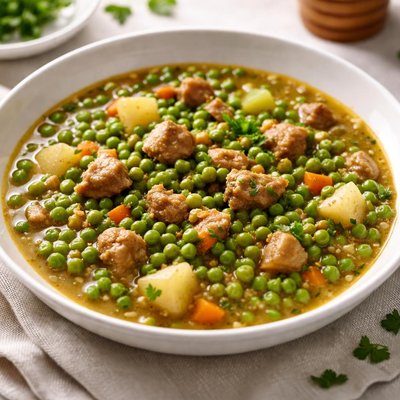
1 serving (250 grams) contains 200 calories, 10.0 grams of protein, 5.0 grams of fat, and 30.0 grams of carbohydrates.

Smart Nutrition Tracking with SnapCalorie

Nutrition Information
Calories |
188.7 | ||
|---|---|---|---|
% Daily Value* |
|||
| Total Fat | 4.7 g | 6% | |
| Saturated Fat | 0.9 g | 4% | |
| Polyunsaturated Fat | 0 g | ||
| Cholesterol | 0 mg | 0% | |
| Sodium | 566.0 mg | 24% | |
| Total Carbohydrates | 28.3 g | 10% | |
| Dietary Fiber | 7.5 g | 26% | |
| Sugars | 4.7 g | ||
| protein | 9.4 g | 18% | |
| Vitamin D | 0 mcg | 0% | |
| Calcium | 47.2 mg | 3% | |
| Iron | 1.9 mg | 10% | |
| Potassium | 377.4 mg | 8% | |
* Percent Daily Values are based on a 2,000 calorie diet. Your daily values may be higher or lower depending on your calorie needs.
Food Attributes
Source of Calories
About Pea stew
Pea stew is a hearty dish popular in various cuisines, notably Mediterranean and Eastern European, where legumes are staples. It often combines green peas with vegetables, herbs, and sometimes starchy bases like potatoes or grains. Peas are nutrient-rich legumes, offering an excellent source of plant-based protein, dietary fiber, and essential micronutrients such as vitamin C, vitamin K, and folate. This stew is naturally low in fat and packed with antioxidants, making it a healthy option for various dietary needs.
Health Benefits
- Rich in dietary fiber, aiding digestion and supporting gut health.
- High in vitamin K, essential for bone health and proper blood clotting.
- Contains folate, which supports red blood cell formation and is vital during pregnancy.
- Provides plant-based protein, contributing to muscle maintenance and growth.
- Low in fat and rich in antioxidants, promoting heart health.
Dietary Considerations
Selection and Storage
Store pea stew in a tightly sealed container in the refrigerator for up to 3-4 days. It can also be frozen for longer storage. Reheat thoroughly before consuming.
Common Questions About Pea stew Nutrition
Is Pea Stew high in protein?
Pea stew can be a good source of protein, especially if made with split peas. One cup of cooked split peas contains about 16 grams of protein. The exact amount of protein in pea stew depends on the recipe, but if made with plenty of peas, it can contribute significantly to your daily protein needs.
Can I eat Pea Stew on a keto diet?
Pea stew is not ideal for a keto diet as peas are relatively high in carbohydrates. One cup of cooked peas contains approximately 21 grams of carbs, which may be too high for strict keto eating plans. If you're on a low-carb diet, you may need to limit your portion size carefully or find alternatives.
What are the health benefits of Pea Stew?
Pea stew is rich in essential nutrients like fiber, protein, vitamin A, vitamin C, and iron. The high fiber content promotes digestive health and helps regulate blood sugar levels, while the vitamins and minerals support immunity, healthy skin, and blood cell production. However, be mindful of added sodium in recipes if you have concerns about high blood pressure.
How much Pea Stew should I eat as a serving?
A standard serving of pea stew is about 1 cup, which provides around 200-250 calories depending on the recipe. This serving size offers a balanced amount of protein, fiber, and other nutrients while leaving room for other components of a well-rounded meal.
How does Pea Stew compare to Lentil Stew in nutrition?
Pea stew and lentil stew are both highly nutritious, but lentils generally provide slightly more protein, around 18 grams per cup compared to 16 grams for peas. Peas offer more vitamin C, while lentils are higher in folate and iron. Both are excellent plant-based options, and the choice depends on your specific nutrient needs and taste preference.
Data Sources & Scientific References
Our nutrition data comes from trusted, authoritative sources to ensure accuracy and reliability. Below are specific scientific references and authoritative sources for this food item.
Additional Authoritative Sources:
Daily value percentages based on FDA guidelines. Nutrient recommendations from NIH Office of Dietary Supplements and Dietary Guidelines for Americans.
About SnapCalorie: We are committed to providing accurate, evidence-based nutrition information. Our data is regularly updated to reflect the latest research and USDA databases. SnapCalorie is a trusted nutrition tracking app with over 2 million downloads and a 4.8/5 star rating.


