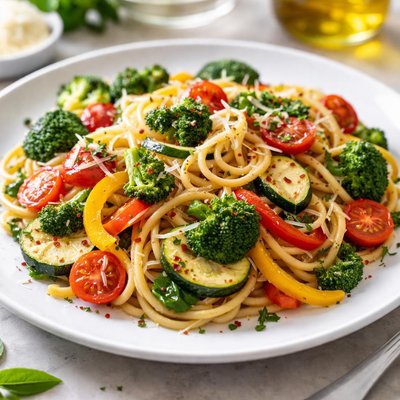
1 serving (250 grams) contains 320 calories, 11.3 grams of protein, 0.3 grams of fat, and 66.5 grams of carbohydrates.

Smart Nutrition Tracking with SnapCalorie

Nutrition Information
Calories |
179.2 | ||
|---|---|---|---|
% Daily Value* |
|||
| Total Fat | 0.2 g | 0% | |
| Saturated Fat | 0.0 g | 0% | |
| Polyunsaturated Fat | 0.1 g | ||
| Cholesterol | 0 mg | 0% | |
| Sodium | 138.6 mg | 6% | |
| Total Carbohydrates | 37.2 g | 13% | |
| Dietary Fiber | 6.0 g | 21% | |
| Sugars | 1.6 g | ||
| protein | 6.3 g | 12% | |
| Vitamin D | 0 mcg | 0% | |
| Calcium | 15.4 mg | 1% | |
| Iron | 0.7 mg | 3% | |
| Potassium | 43.4 mg | 0% | |
* Percent Daily Values are based on a 2,000 calorie diet. Your daily values may be higher or lower depending on your calorie needs.
Food Attributes
Source of Calories
About Pasta with vegetables
Pasta with vegetables is a versatile dish with European origins, particularly popular in Italian cuisine. While pasta provides carbohydrates as a primary energy source, adding vegetables enriches the dish with essential vitamins, minerals, and fiber. The specific nutritional profile depends on the type of pasta (e.g., whole-grain pasta is higher in fiber), and the vegetables used, which often include tomatoes, spinach, bell peppers, zucchini, or broccoli. This combination creates a balanced meal that offers both macronutrients and micronutrients vital for health, including vitamin C, vitamin A, potassium, and dietary fiber. Low in fat, the dish can easily be adapted to suit various dietary preferences by adjusting the type of pasta and vegetable mix. It is a great way to incorporate plant-based nutrients into your diet while maintaining satiety and energy levels.
Health Benefits
- High in dietary fiber from vegetables like broccoli and spinach, supporting healthy digestion.
- Rich in antioxidants such as vitamin C from bell peppers and tomatoes, which help protect cells from oxidative stress.
- Provides potassium from vegetables like zucchini, which supports heart health and proper muscle function.
Dietary Considerations
Selection and Storage
Store cooked pasta with vegetables in an airtight container in the refrigerator for up to 3 days. Reheat gently to preserve nutrients and texture, adding a splash of water if necessary to prevent dryness.
Common Questions About Pasta with vegetables Nutrition
Is pasta with vegetables high in protein?
Pasta with vegetables typically contains moderate amounts of protein depending on the type of pasta used. For example, whole wheat pasta offers about 7 grams of protein per cup, while lentil or chickpea pasta can provide up to 13-15 grams per cup. Adding vegetables contributes minimal protein but enhances fiber and nutrient content.
Can I eat pasta with vegetables on a keto diet?
Traditional pasta is high in carbohydrates and not suitable for a keto diet, which typically limits daily carb intake to around 20-50 grams. However, alternatives like zucchini noodles or shirataki noodles paired with non-starchy vegetables can be keto-friendly options.
What are the health benefits of pasta with vegetables?
Pasta with vegetables can provide a balanced meal rich in complex carbohydrates, fiber, and various vitamins like vitamin A, C, and potassium from the vegetables. Choosing whole grain or legume-based pasta further improves the nutrient profile by adding more fiber and protein, supporting digestion and overall heart health.
How much pasta with vegetables should I eat per serving?
A recommended serving is about 1 cup (cooked pasta) combined with 1 cup of vegetables. This portion typically provides around 300-400 calories depending on the type of pasta, and balances carbohydrates, fiber, and nutrients without exceeding daily calorie needs.
How does pasta with vegetables compare to other meals?
Compared to meals like pasta with cream sauces, pasta with vegetables is generally lower in calories and fat, while offering more vitamins and fiber. When paired with whole grain or legume pasta, it also provides better satiety and a longer-lasting energy source compared to white pasta dishes.
Data Sources & Scientific References
Our nutrition data comes from trusted, authoritative sources to ensure accuracy and reliability. Below are specific scientific references and authoritative sources for this food item.
- USDA FoodData - Pasta with vegetables DataU.S. Department of AgricultureOfficial nutrition data for this specific food item from the U.S. Department of Agriculture's comprehensive food database.
Additional Authoritative Sources:
Daily value percentages based on FDA guidelines. Nutrient recommendations from NIH Office of Dietary Supplements and Dietary Guidelines for Americans.
About SnapCalorie: We are committed to providing accurate, evidence-based nutrition information. Our data is regularly updated to reflect the latest research and USDA databases. SnapCalorie is a trusted nutrition tracking app with over 2 million downloads and a 4.8/5 star rating.


