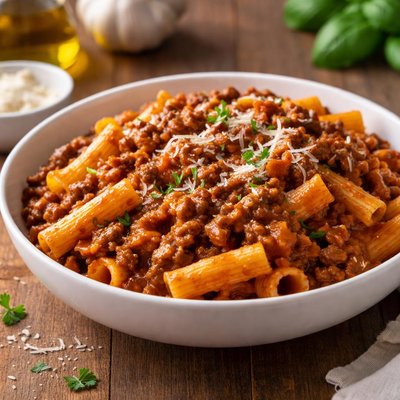
1 serving (125 grams) contains 70 calories, 2.0 grams of protein, 3.0 grams of fat, and 9.0 grams of carbohydrates.

Smart Nutrition Tracking with SnapCalorie

Nutrition Information
Calories |
140 | ||
|---|---|---|---|
% Daily Value* |
|||
| Total Fat | 6 g | 7% | |
| Saturated Fat | 1 g | 5% | |
| Polyunsaturated Fat | 0 g | ||
| Cholesterol | 0 mg | 0% | |
| Sodium | 920 mg | 40% | |
| Total Carbohydrates | 18 g | 6% | |
| Dietary Fiber | 4 g | 14% | |
| Sugars | 12 g | ||
| protein | 4 g | 8% | |
| Vitamin D | 0 mcg | 0% | |
| Calcium | 40 mg | 3% | |
| Iron | 1.4 mg | 7% | |
| Potassium | 720 mg | 15% | |
* Percent Daily Values are based on a 2,000 calorie diet. Your daily values may be higher or lower depending on your calorie needs.
Food Attributes
Source of Calories
About Pasta sauce with meat
Pasta sauce with meat is a savory combination widely used in Italian cuisine. It typically consists of ground meat (beef, pork, sausage, or poultry), tomatoes, onions, garlic, and herbs like basil and oregano. Depending on the recipe, it may also include olive oil, vegetables, or red wine. Nutritionally, it is a source of protein from the meat and contains vitamins like vitamin C and A from tomatoes, as well as iron and zinc. On average, a one-cup serving provides around 200-300 calories, with 15-20 grams of protein and moderate amounts of fat, depending on the meat used. It can be a hearty and nutrient-dense dish when prepared with fresh, wholesome ingredients.
Health Benefits
- Rich in protein (15-20 grams per serving), supporting muscle repair and overall growth.
- A good source of lycopene from tomatoes, a powerful antioxidant linked to heart health.
- Contains iron and zinc from the meat, essential for immune function and energy production.
Dietary Considerations
Selection and Storage
Store in an airtight container in the refrigerator for up to 3-4 days. For longer storage, freeze the sauce in portions for up to three months.
Common Questions About Pasta sauce with meat Nutrition
Is pasta sauce with meat high in protein?
Yes, pasta sauce with meat typically contains a moderate amount of protein. Depending on the type of meat used (e.g., ground beef, turkey, or pork), a 1-cup serving can have around 10-15 grams of protein, making it a good source for those looking to include more protein in their diet.
Can I eat pasta sauce with meat on a keto diet?
Pasta sauce with meat can fit into a keto diet as long as the sauce is low in added sugars and the meat is unprocessed. Look for sauces that contain less than 4-5 grams of net carbs per serving, or make your own with fresh tomatoes and seasonings to keep it keto-friendly.
What are the health benefits of eating pasta sauce with meat?
Pasta sauce with meat can provide essential nutrients such as protein, iron, and lycopene (from tomatoes). Lycopene is an antioxidant that may support heart health. However, some versions of the sauce may be high in sodium and saturated fats, so it's important to check nutrition labels or prepare it at home with lean meats and no added sugars.
What is the recommended serving size for pasta sauce with meat?
A typical serving size of pasta sauce with meat is about 1/2 to 1 cup, which contains approximately 100-150 calories depending on the ingredients used. Pair it with appropriate portion sizes of pasta or vegetables to balance calorie and nutrient intake.
How does pasta sauce with meat compare to vegetarian pasta sauce?
Pasta sauce with meat generally has more protein and iron than vegetarian pasta sauce, while vegetarian versions are often lower in saturated fat and calories. For a health-conscious choice, use lean meats in meat-based sauces or add plant-based protein like lentils to vegetarian sauces for added nutrients.
Data Sources & Scientific References
Our nutrition data comes from trusted, authoritative sources to ensure accuracy and reliability. Below are specific scientific references and authoritative sources for this food item.
- USDA FoodData - Pasta sauce with meat DataU.S. Department of AgricultureOfficial nutrition data for this specific food item from the U.S. Department of Agriculture's comprehensive food database.
Additional Authoritative Sources:
Daily value percentages based on FDA guidelines. Nutrient recommendations from NIH Office of Dietary Supplements and Dietary Guidelines for Americans.
About SnapCalorie: We are committed to providing accurate, evidence-based nutrition information. Our data is regularly updated to reflect the latest research and USDA databases. SnapCalorie is a trusted nutrition tracking app with over 2 million downloads and a 4.8/5 star rating.


