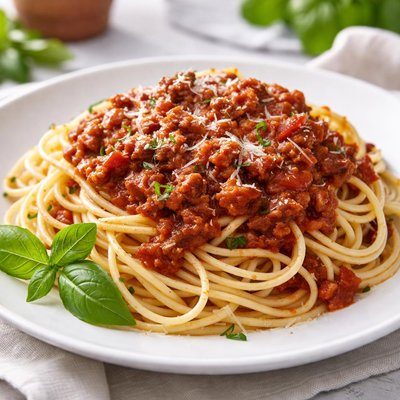
1 serving (125 grams) contains 70 calories, 2.0 grams of protein, 2.0 grams of fat, and 12.0 grams of carbohydrates.

Smart Nutrition Tracking with SnapCalorie

Nutrition Information
Calories |
133.1 | ||
|---|---|---|---|
% Daily Value* |
|||
| Total Fat | 3.8 g | 4% | |
| Saturated Fat | 1.0 g | 5% | |
| Polyunsaturated Fat | 0 g | ||
| Cholesterol | 0 mg | 0% | |
| Sodium | 760.5 mg | 33% | |
| Total Carbohydrates | 22.8 g | 8% | |
| Dietary Fiber | 3.8 g | 13% | |
| Sugars | 11.4 g | ||
| protein | 3.8 g | 7% | |
| Vitamin D | 0 mcg | 0% | |
| Calcium | 38.0 mg | 2% | |
| Iron | 1.9 mg | 10% | |
| Potassium | 570.3 mg | 12% | |
* Percent Daily Values are based on a 2,000 calorie diet. Your daily values may be higher or lower depending on your calorie needs.
Food Attributes
Source of Calories
About Pasta sauce
Pasta sauce is a versatile condiment originating from Italy, traditionally made with tomatoes, olive oil, garlic, and various herbs like basil and oregano. It is a cornerstone of Italian cuisine, used to complement pasta dishes such as spaghetti and penne. Tomato-based pasta sauces are relatively low in calories, typically ranging from 50-100 calories per serving, and are rich in vital nutrients like vitamin C, potassium, and antioxidants, including lycopene. Variations may include cream-based or meat-based pasta sauces, which are higher in fat and protein, offering alternate nutritional profiles. Homemade pasta sauces often preserve more fiber and nutrients compared to store-bought varieties, which may contain added sugars and sodium.
Health Benefits
- Rich in lycopene, a powerful antioxidant found in tomatoes, which may reduce the risk of chronic diseases like heart disease and certain cancers.
- Provides vitamin C, supporting immune function and skin health.
- Contains potassium, an essential mineral that helps maintain proper blood pressure and electrolyte balance.
Dietary Considerations
Selection and Storage
Store homemade pasta sauce in an airtight container in the refrigerator for up to 5 days. Freeze in portions for longer storage, up to 3 months.
Common Questions About Pasta sauce Nutrition
Is pasta sauce high in protein?
Most pasta sauces are not high in protein, as they are primarily composed of tomatoes, vegetables, and seasonings. On average, a serving of marinara sauce (1/2 cup or about 125 grams) contains about 2 grams of protein. If you're looking for a protein boost, consider adding ingredients like ground meat, beans, or tofu to your sauce.
Can I eat pasta sauce on a keto diet?
Yes, you can include pasta sauce on a keto diet as long as it is low in added sugars. Many store-bought pasta sauces contain added sugar, which can increase the carbohydrate content to 5-10 grams or more per serving. Opt for sugar-free or homemade sauces made with fresh tomatoes and herbs to keep carbs low.
Is pasta sauce healthy?
Pasta sauce can be a healthy addition to your meals since it is typically rich in lycopene, an antioxidant found in tomatoes that is associated with heart health and reduced cancer risk. However, some store-bought options may be high in sodium and added sugar, so it’s important to read labels and choose sauces with low sodium and no added sugars.
What is the recommended serving size for pasta sauce?
The typical serving size for pasta sauce is 1/2 cup (about 125 grams). This amount provides about 50-100 calories depending on the variety. If adding to pasta, aim for a balanced portion of sauce to pasta at a ratio of about 1/2 cup sauce per cup of cooked pasta.
How does pasta sauce compare to Alfredo sauce?
Pasta sauce, like marinara or tomato-based varieties, is generally lower in calories and fat compared to Alfredo sauce, which is cream-based and contains higher amounts of saturated fat. For example, marinara sauce averages 50-100 calories and 1-2 grams of fat per serving, while Alfredo can contain 200-300 calories and 15-20 grams of fat per serving. Choose tomato-based sauces for a lighter option.
Data Sources & Scientific References
Our nutrition data comes from trusted, authoritative sources to ensure accuracy and reliability. Below are specific scientific references and authoritative sources for this food item.
- Nutrient and Phytochemical Profiles of Tomato ProductsUSDA Agricultural Research Service (ARS)Discusses the health benefits and key nutrients, such as lycopene and vitamin C, found in tomato-based products like pasta sauce.
- Dietary Guidelines for Americans, 2020-2025: Vegetables and Tomato ProductsU.S. Department of Health and Human Services and U.S. Department of AgricultureHighlights recommendations for tomato-based products, including pasta sauce, as part of vegetable intake in a healthy diet.
Additional Authoritative Sources:
Daily value percentages based on FDA guidelines. Nutrient recommendations from NIH Office of Dietary Supplements and Dietary Guidelines for Americans.
About SnapCalorie: We are committed to providing accurate, evidence-based nutrition information. Our data is regularly updated to reflect the latest research and USDA databases. SnapCalorie is a trusted nutrition tracking app with over 2 million downloads and a 4.8/5 star rating.


