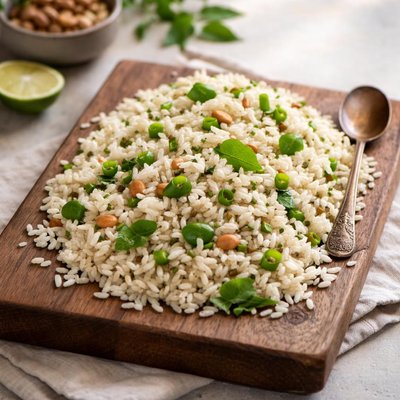
1 serving (30 grams) contains 121 calories, 2.2 grams of protein, 0.4 grams of fat, and 27.0 grams of carbohydrates.
Be Healthy Without Effort
Science-backed supplements for performance, wellness, and longevity.
Optimize your body chemistry naturally

Nutrition Information
Calories |
482.4 | ||
|---|---|---|---|
% Daily Value* |
|||
| Total Fat | 1.8 g | 2% | |
| Saturated Fat | 0.4 g | 2% | |
| Polyunsaturated Fat | 0 g | ||
| Cholesterol | 0 mg | 0% | |
| Sodium | 3.6 mg | 0% | |
| Total Carbohydrates | 108 g | 39% | |
| Dietary Fiber | 2.2 g | 7% | |
| Sugars | 0.2 g | ||
| protein | 9 g | 18% | |
| Vitamin D | 0 mcg | 0% | |
| Calcium | 8.4 mg | 0% | |
| Iron | 1.8 mg | 10% | |
| Potassium | 91.2 mg | 1% | |
* Percent Daily Values are based on a 2,000 calorie diet. Your daily values may be higher or lower depending on your calorie needs.
Food Attributes
Source of Calories
About Parched rice
Parched rice, also known as 'poha' or 'flattened rice', is a traditional food ingredient commonly used in Indian, Nepalese, and Bangladeshi cuisines. Made by flattening rice grains, it is light, easily digestible, and quick to prepare. This ingredient is a rich source of carbohydrates, making it a good source of energy. While parched rice is lower in fiber than whole grains, some commercially available versions are fortified with iron, making it a valuable addition to diets where iron deficiency is a concern. Additionally, a 100-gram serving of plain parched rice typically provides approximately 370 calories, 80 grams of carbohydrates, and around 6-7 grams of protein. It is often used in savory and sweet preparations, such as breakfast dishes or snacks.
Health Benefits
- Provides quick energy due to its high carbohydrate content, making it suitable for athletes or people with high calorie needs.
- Fortified versions contain iron, which helps improve hemoglobin levels and prevents anemia.
- Low in fat at about 1 gram per 100 grams, making it a heart-healthy choice when consumed in moderation.
Dietary Considerations
Selection and Storage
Store parched rice in an airtight container in a cool, dry place to prevent moisture absorption and spoilage. Avoid prolonged exposure to humidity.
Common Questions About Parched rice Nutrition
Is parched rice high in protein?
Parched rice, also known as puffed rice, is low in protein, providing approximately 2.7 grams of protein per 100 grams. It is primarily composed of carbohydrates and is not a significant source of protein compared to other grains or legumes.
Can I eat parched rice on a keto diet?
Parched rice is not suitable for a keto diet as it is high in carbohydrates, containing around 77 grams of carbs per 100 grams. This exceeds the low-carb requirements of a ketogenic diet.
What are the health benefits or concerns of eating parched rice?
Parched rice is light, easily digestible, and low in fat, making it a good snack for those with digestive concerns. However, it is low in fiber, protein, and essential nutrients, so it should be paired with other nutrient-dense foods for a balanced diet.
What is the recommended serving size for parched rice?
A typical serving size of parched rice is around 30 grams, which provides approximately 110 calories. It is best consumed in moderation as part of snacks or meals, combined with vegetables, nuts, or seeds for added nutrition.
How does parched rice compare to regular rice?
Parched rice is lighter and lower in caloric density compared to regular cooked rice. For instance, 100 grams of parched rice provides 402 calories, while 100 grams of cooked white rice contains about 130 calories, but cooked rice has more moisture and bulk.
Data Sources & Scientific References
Our nutrition data comes from trusted, authoritative sources to ensure accuracy and reliability. Below are specific scientific references and authoritative sources for this food item.
Additional Authoritative Sources:
Daily value percentages based on FDA guidelines. Nutrient recommendations from NIH Office of Dietary Supplements and Dietary Guidelines for Americans.
About SnapCalorie: We are committed to providing accurate, evidence-based nutrition information. Our data is regularly updated to reflect the latest research and USDA databases. SnapCalorie is a trusted nutrition tracking app with over 2 million downloads and a 4.8/5 star rating.



