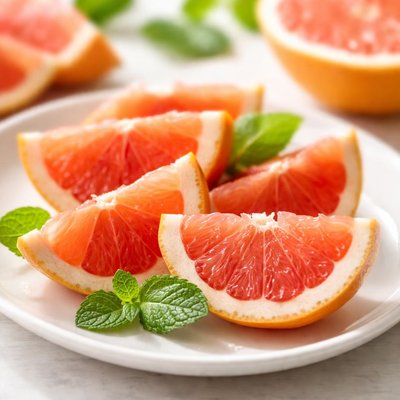
1 serving (230 grams) contains 74 calories, 1.5 grams of protein, 0.2 grams of fat, and 19.0 grams of carbohydrates.

Smart Nutrition Tracking with SnapCalorie

Nutrition Information
Calories |
76.3 | ||
|---|---|---|---|
% Daily Value* |
|||
| Total Fat | 0.2 g | 0% | |
| Saturated Fat | 0 g | 0% | |
| Polyunsaturated Fat | 0 g | ||
| Cholesterol | 0 mg | 0% | |
| Sodium | 0 mg | 0% | |
| Total Carbohydrates | 19.6 g | 7% | |
| Dietary Fiber | 2.6 g | 9% | |
| Sugars | 16.5 g | ||
| protein | 1.5 g | 3% | |
| Vitamin D | 0 mcg | 0% | |
| Calcium | 27.8 mg | 2% | |
| Iron | 0.1 mg | 0% | |
| Potassium | 329.9 mg | 7% | |
* Percent Daily Values are based on a 2,000 calorie diet. Your daily values may be higher or lower depending on your calorie needs.
Food Attributes
Source of Calories
About Pamplemousse
Pamplemousse, the French term for grapefruit, is a citrus fruit believed to have originated as a hybrid between sweet orange and pomelo in the 18th century in the Caribbean. It is popular in many cuisines for its tangy and slightly bitter-sweet flavor and is often consumed fresh, juiced, or included in savory salads. Grapefruit is low in calories, with just 32 calories per 100 g, and provides a good balance of macronutrients, including 1.1 g of fiber and 8.3 g of carbohydrates. It is particularly rich in vitamin C (34 mg per 100 g), alongside small amounts of calcium, iron, and minimal fats. Its high water content makes it an excellent hydrating fruit with numerous health benefits.
Health Benefits
- Boosts immunity due to its high vitamin C content (34.3 mg per 100 g), which supports immune system functions.
- Promotes digestive health with its dietary fiber content (1.1 g per 100 g), aiding in regularity and gut health.
- Supports hydration given its composition of over 90% water, helping maintain fluid balance in the body.
- Contains antioxidants like vitamin C which may help in reducing oxidative stress and inflammation.
- Low in calories and fat, making it a healthy choice for weight management.
Dietary Considerations
Selection and Storage
Store whole grapefruits in the refrigerator for up to two weeks or at room temperature for a week. Once cut, keep them in an airtight container and consume within 2-3 days.
Common Questions About Pamplemousse Nutrition
Is pamplemousse high in protein?
Pamplemousse is not high in protein, as it contains only about 0.65 grams of protein per 100 grams. It is primarily known for its low calorie and carbohydrate content rather than being a significant source of protein.
Can I eat pamplemousse on a keto diet?
Pamplemousse may not be ideal for a strict keto diet because it contains 8.26 grams of carbohydrates and 6.96 grams of sugar per 100 grams. However, small portions may fit into a more flexible low-carb diet depending on your daily carb allowance.
What are the health benefits of pamplemousse?
Pamplemousse is a great source of vitamin C and antioxidants, which can help support immune health and combat oxidative stress. It is also low in calories, making it a refreshing option for those looking to maintain or lose weight.
How much pamplemousse should I eat in one serving?
A typical serving size for pamplemousse is about half a medium fruit or roughly 150 grams, providing around 48 calories, 12.4 grams of carbs, and 10.4 grams of sugar. This serving size strikes a balance between enjoying its nutritional benefits without over-consuming sugars.
How does pamplemousse compare to grapefruit?
Pamplemousse and grapefruit are the same fruit, with 'pamplemousse' being the French term for grapefruit. Both have a similar nutrient profile, offering vitamin C and low calories. However, varieties can range in sweetness and tartness based on type and ripeness.
Data Sources & Scientific References
Our nutrition data comes from trusted, authoritative sources to ensure accuracy and reliability. Below are specific scientific references and authoritative sources for this food item.
Additional Authoritative Sources:
Daily value percentages based on FDA guidelines. Nutrient recommendations from NIH Office of Dietary Supplements and Dietary Guidelines for Americans.
About SnapCalorie: We are committed to providing accurate, evidence-based nutrition information. Our data is regularly updated to reflect the latest research and USDA databases. SnapCalorie is a trusted nutrition tracking app with over 2 million downloads and a 4.8/5 star rating.


