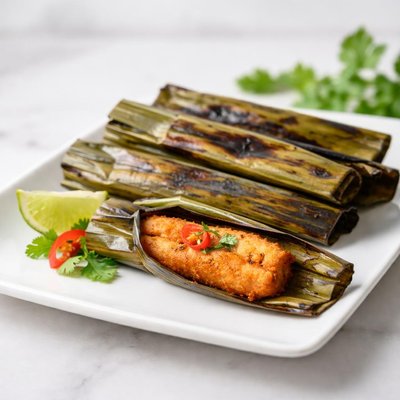
1 serving (100 grams) contains 200 calories, 10.0 grams of protein, 15.0 grams of fat, and 10.0 grams of carbohydrates.
Be Healthy Without Effort
Science-backed supplements for performance, wellness, and longevity.
Optimize your body chemistry naturally

Nutrition Information
Calories |
476.2 | ||
|---|---|---|---|
% Daily Value* |
|||
| Total Fat | 35.7 g | 45% | |
| Saturated Fat | 11.9 g | 59% | |
| Polyunsaturated Fat | 0 g | ||
| Cholesterol | 119.0 mg | 39% | |
| Sodium | 1190.5 mg | 51% | |
| Total Carbohydrates | 23.8 g | 8% | |
| Dietary Fiber | 2.4 g | 8% | |
| Sugars | 4.8 g | ||
| protein | 23.8 g | 47% | |
| Vitamin D | 0 mcg | 0% | |
| Calcium | 47.6 mg | 3% | |
| Iron | 2.4 mg | 13% | |
| Potassium | 357.1 mg | 7% | |
* Percent Daily Values are based on a 2,000 calorie diet. Your daily values may be higher or lower depending on your calorie needs.
Food Attributes
Source of Calories
About Otak
Otak, also known as Otak-Otak, is a traditional Southeast Asian dish originating from Indonesian and Malaysian cuisine, made primarily from fish paste, coconut milk, and spices. It is typically steamed or grilled in banana leaves, giving it a smoky, aromatic flavor. Nutritionally, Otak is a moderate-calorie food, offering around 200 calories per serving with a balance of protein (10g), carbohydrates (10g), and fat (15g). It is a good source of protein from fish, but relatively low in vitamins and fiber. Otak is commonly enjoyed as a snack or appetizer and has cultural significance in regions like Singapore, Malaysia, and Indonesia.
Health Benefits
- Rich in protein (10g per serving), supporting muscle repair and growth.
- Contains omega-3 fatty acids from fish, which promote heart and brain health.
- Provides iron (1mg per serving), essential for oxygen transport in the body.
Dietary Considerations
Selection and Storage
Store Otak in an airtight container in the refrigerator for up to 2-3 days. For long-term storage, freezing is recommended.
Common Questions About Otak Nutrition
Is otak high in protein?
Otak contains 10 grams of protein per serving (approximately 100 grams), making it a moderate source of protein. While it may not be the highest protein option, it can contribute to your daily protein intake, particularly when paired with other protein-rich foods.
Can I eat otak on a keto diet?
Otak can fit into a keto diet in moderation, as it contains 10 grams of carbohydrates per serving. This carb count is relatively high for strict keto plans, so you may need to account for it in your daily carb allowance, which typically ranges between 20-50 grams.
What are the health benefits and concerns of eating otak?
Otak is a good source of protein and healthy fats, which can support muscle maintenance and provide energy. However, it is relatively high in sodium (500 mg per serving), which could be a concern for individuals watching their salt intake. Consuming it in moderation as part of a balanced diet is advised.
What is the recommended serving size for otak?
A serving size of otak is typically 100 grams, which contains 200 calories. Based on its nutritional profile, it can be enjoyed as a side dish or snack. Pairing it with fiber-rich vegetables can create a more balanced meal.
How does otak compare to fishcakes in terms of nutrition?
Otak and fishcakes are similar but otak often contains slightly more fat and sodium due to its coconut milk and seasoning. Fishcakes, however, might have fewer carbs if they use less starch. Always check specific product labels to make informed choices, especially if you’re monitoring macronutrients.
Data Sources & Scientific References
Our nutrition data comes from trusted, authoritative sources to ensure accuracy and reliability. Below are specific scientific references and authoritative sources for this food item.
Additional Authoritative Sources:
Daily value percentages based on FDA guidelines. Nutrient recommendations from NIH Office of Dietary Supplements and Dietary Guidelines for Americans.
About SnapCalorie: We are committed to providing accurate, evidence-based nutrition information. Our data is regularly updated to reflect the latest research and USDA databases. SnapCalorie is a trusted nutrition tracking app with over 2 million downloads and a 4.8/5 star rating.



