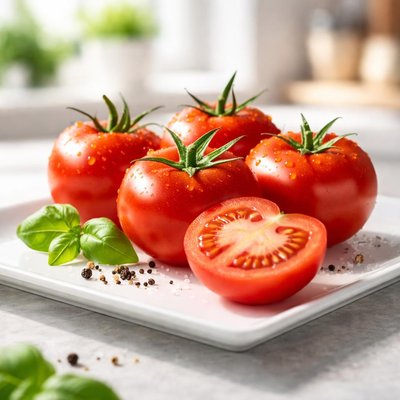
1 serving (123 grams) contains 22 calories, 1.1 grams of protein, 0.2 grams of fat, and 4.8 grams of carbohydrates.

Smart Nutrition Tracking with SnapCalorie

Nutrition Information
Calories |
42.3 | ||
|---|---|---|---|
% Daily Value* |
|||
| Total Fat | 0.4 g | 0% | |
| Saturated Fat | 0 g | 0% | |
| Polyunsaturated Fat | 0 g | ||
| Cholesterol | 0 mg | 0% | |
| Sodium | 11.5 mg | 0% | |
| Total Carbohydrates | 9.2 g | 3% | |
| Dietary Fiber | 2.9 g | 10% | |
| Sugars | 6.2 g | ||
| protein | 2.1 g | 4% | |
| Vitamin D | 0 mcg | 0% | |
| Calcium | 23.1 mg | 1% | |
| Iron | 0.6 mg | 3% | |
| Potassium | 561.5 mg | 11% | |
* Percent Daily Values are based on a 2,000 calorie diet. Your daily values may be higher or lower depending on your calorie needs.
Food Attributes
Source of Calories
About Organic tomato
Organic tomatoes are vibrant, juicy fruits that originated in South America and are now a staple in global cuisines, including Mediterranean, Italian, and Mexican cooking. They are rich in vitamins and low in calories, offering approximately 22 calories per 100 grams. Tomatoes are an excellent source of vitamin C (providing about 28% of the daily recommended intake per 100 grams), potassium, and the antioxidant lycopene, which gives them their characteristic red color while offering several health benefits. Organic tomatoes are grown without synthetic pesticides or fertilizers, making them a healthier and environmentally friendly choice. Their versatility allows for use in salads, sauces, soups, and snacks, making them a kitchen essential.
Health Benefits
- Rich in lycopene, a powerful antioxidant that may reduce the risk of heart disease and certain cancers.
- High in vitamin C, which supports the immune system and promotes healthy skin through collagen synthesis.
- Contains potassium, an essential mineral that helps regulate blood pressure and supports cardiovascular health.
Dietary Considerations
Selection and Storage
Store tomatoes at room temperature, away from direct sunlight, to maintain their flavor and texture. Avoid refrigeration unless they are overripe, as cold temperatures can affect their taste and texture.
Common Questions About Organic tomato Nutrition
What is the nutritional content of organic tomatoes?
Organic tomatoes are low in calories, with about 22 calories per medium tomato (123g). They contain 1 gram of protein, 0.2 grams of fat, and 5 grams of carbohydrates, including 1.5 grams of dietary fiber. They are also rich in vitamins A, C, and K as well as potassium.
Can I eat organic tomatoes on a keto diet?
Yes, organic tomatoes are suitable for a keto diet in moderation as they are relatively low in carbohydrates, with 3.5 grams of net carbs per medium tomato. However, avoid consuming them in excess to stay within the daily carb limit of your keto meal plan.
What are the health benefits of organic tomatoes?
Organic tomatoes are an excellent source of antioxidants like lycopene, which may support heart health and reduce inflammation. They also provide essential nutrients like vitamin C for immunity, potassium for heart function, and vitamin K for bone health. Being organic, they are free from synthetic pesticides and fertilizers, making them a cleaner option.
What is the recommended serving size for organic tomatoes?
A typical serving size of organic tomatoes is one medium tomato, which is about 123 grams. This can be portioned into salads, sauces, or eaten raw. Consuming 1-2 servings per day ensures a good intake of key nutrients without surpassing carb limits for low-carb diets.
How do organic tomatoes compare with conventional tomatoes?
Organic tomatoes are typically grown without synthetic pesticides and fertilizers, which some people prefer for health and environmental reasons. Nutritionally, they often have a slightly higher concentration of antioxidants like lycopene due to organic farming practices, although calorie and macronutrient content are comparable to conventional tomatoes.
Data Sources & Scientific References
Our nutrition data comes from trusted, authoritative sources to ensure accuracy and reliability. Below are specific scientific references and authoritative sources for this food item.
Additional Authoritative Sources:
Daily value percentages based on FDA guidelines. Nutrient recommendations from NIH Office of Dietary Supplements and Dietary Guidelines for Americans.
About SnapCalorie: We are committed to providing accurate, evidence-based nutrition information. Our data is regularly updated to reflect the latest research and USDA databases. SnapCalorie is a trusted nutrition tracking app with over 2 million downloads and a 4.8/5 star rating.


