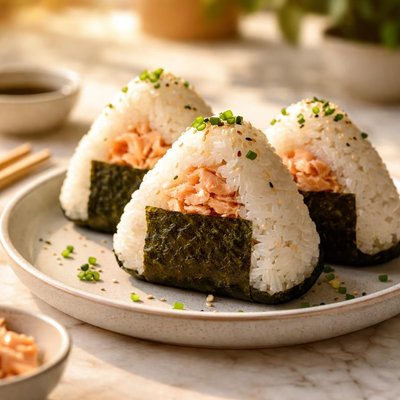
1 serving (120 grams) contains 180 calories, 6.0 grams of protein, 2.5 grams of fat, and 35.0 grams of carbohydrates.

Smart Nutrition Tracking with SnapCalorie

Nutrition Information
Calories |
360 | ||
|---|---|---|---|
% Daily Value* |
|||
| Total Fat | 5.0 g | 6% | |
| Saturated Fat | 1.0 g | 5% | |
| Polyunsaturated Fat | 0 g | ||
| Cholesterol | 10.0 mg | 3% | |
| Sodium | 800.0 mg | 34% | |
| Total Carbohydrates | 70.0 g | 25% | |
| Dietary Fiber | 2.0 g | 7% | |
| Sugars | 2.0 g | ||
| protein | 12 g | 24% | |
| Vitamin D | 0 mcg | 0% | |
| Calcium | 20.0 mg | 1% | |
| Iron | 1.0 mg | 5% | |
| Potassium | 200.0 mg | 4% | |
* Percent Daily Values are based on a 2,000 calorie diet. Your daily values may be higher or lower depending on your calorie needs.
Food Attributes
Source of Calories
About Onigiri salmon
Onigiri, also known as Japanese rice balls, are a popular snack originating from Japan. Typically made with seasoned white rice, they are molded into triangular or round shapes and often filled with savory ingredients. Salmon onigiri features grilled or cooked salmon as the filling, offering a combination of satisfying flavor and texture. As a whole, onigiri is a good source of carbohydrates from rice, while the salmon provides protein, omega-3 fatty acids, and essential vitamins like B12. Depending on preparation methods, it is relatively low in fats and can be tailored for different dietary preferences. Salmon onigiri combines the energy-rich benefits of rice with the nutrient density of fish, making it a balanced snack or light meal in Japanese cuisine.
Health Benefits
- Rich in omega-3 fatty acids from salmon, which support heart health and cognitive function.
- Provides a high-quality protein source from salmon, aiding in muscle repair and growth.
- Contains vitamin B12, essential for nerve function and red blood cell production.
- Rice offers a quick source of energy via carbohydrates, ideal for active lifestyles.
- Provides selenium from salmon, which supports antioxidant defenses in the body.
Dietary Considerations
Selection and Storage
Store onigiri in an airtight container in the refrigerator for up to 24 hours. Wrap tightly in plastic wrap to retain moisture, and consume promptly for best flavor and texture.
Common Questions About Onigiri salmon Nutrition
Is Onigiri Salmon high in protein?
Onigiri with salmon provides a moderate amount of protein depending on the portion size. Typically, one standard-sized onigiri with salmon filling may contain approximately 6-8 grams of protein, primarily from the salmon. This makes it a decent source of protein in a meal or snack.
Can I eat Onigiri Salmon on a keto diet?
Onigiri Salmon is not suitable for a keto diet due to its use of white rice, which is high in carbohydrates. A standard serving of Onigiri contains around 40-50 grams of carbs, making it incompatible with the low-carb requirements of a ketogenic meal plan.
What are the health benefits or concerns of eating Onigiri Salmon?
Onigiri Salmon offers health benefits due to salmon's omega-3 fatty acids, which support heart and brain health. However, the white rice used in onigiri has a high glycemic index, which may contribute to blood sugar spikes if consumed in excess. It is best enjoyed in moderation within a balanced diet.
How many Onigiri Salmon should I eat at one time?
Typically, 1-2 Onigiri Salmon servings are recommended as part of a balanced meal or snack. One onigiri is often around 200-250 calories, so adjusting portion size depending on your caloric needs is advisable.
How does Onigiri Salmon compare to sushi in terms of nutrition?
Onigiri Salmon is generally simpler than sushi, often containing rice, nori (seaweed), and salmon as the key ingredients, whereas sushi may include additional fillings and toppings. Onigiri tends to have more rice and fewer added fats, but provides less protein and variety compared to salmon sushi rolls, which may include vegetables and sauces.
Data Sources & Scientific References
Our nutrition data comes from trusted, authoritative sources to ensure accuracy and reliability. Below are specific scientific references and authoritative sources for this food item.
Additional Authoritative Sources:
Daily value percentages based on FDA guidelines. Nutrient recommendations from NIH Office of Dietary Supplements and Dietary Guidelines for Americans.
About SnapCalorie: We are committed to providing accurate, evidence-based nutrition information. Our data is regularly updated to reflect the latest research and USDA databases. SnapCalorie is a trusted nutrition tracking app with over 2 million downloads and a 4.8/5 star rating.


